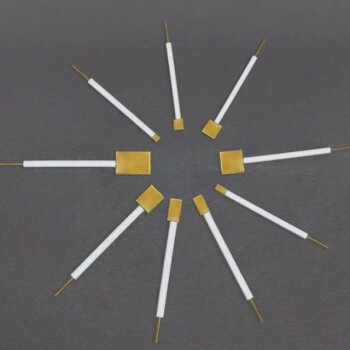
Immediate system shutdown is mandatory upon detecting any localized detachment of the electrode coating. You must pause operations to perform a thorough visual inspection of the damage; if the detached area covers less than 5% of the total surface, you may continue operation at a reduced current, but extensive damage requires the complete replacement of the electrode.
Core Takeaway Coating detachment is a sign of critical stress, typically caused by physical impact or electrical overload. While minor damage allows for temporary, low-output operation, the electrode’s protective barrier is compromised, making replacement the only permanent solution for extensive failure.
Immediate Response and Diagnosis
Initiating a Safety Shutdown
The moment coating detachment is identified, you must shut down the system. Continued operation without assessment can lead to rapid failure of the substrate or contamination of the electrolytic environment.
Identifying the Root Cause
During inspection, you must determine what triggered the failure to prevent recurrence. The two primary drivers are usually collision during installation, resulting in mechanical impact, or excessive current density, which thermally or chemically stresses the coating bond.
Assessing Damage Severity
The 5% Threshold
The viability of the electrode depends strictly on the surface area of the loss. If the total detached area is less than 5% of the electrode's total surface, the component is not yet a total loss.
Criteria for Replacement
If the inspection reveals that the detached area is extensive (exceeding 5%), the electrode cannot be salvaged. It must be replaced immediately to ensure process stability and safety.
Understanding the Trade-offs
Reduced Output vs. Continuity
If you choose to keep an electrode with minor damage (<5%) in service, you must operate at a reduced current. This allows you to maintain uptime, but it inevitably creates a bottleneck in production capacity or efficiency.
Risks of Extended Operation
Operating a damaged electrode is a stop-gap measure, not a permanent fix. The exposed area creates a vulnerability where the substrate may degrade faster, potentially leading to sudden failure even at reduced loads.
Making the Right Operational Decision
Deciding between repair, reuse, or replacement depends on your immediate production constraints and risk tolerance.
- If your primary focus is Production Continuity: Restart the system with the damaged electrode only if the loss is less than 5%, and strictly limit the current to prevent further peeling.
- If your primary focus is System Integrity: Replace the electrode immediately if the damage is extensive, as the risk of substrate corrosion and process instability outweighs the cost of a new component.
Adhere strictly to the 5% damage limit to balance operational needs with equipment safety.
Summary Table:
| Assessment Factor | Detail | Recommended Action |
|---|---|---|
| Damage Threshold | < 5% of total surface area | Operate at reduced current output |
| Damage Threshold | > 5% of total surface area | Immediate replacement required |
| Primary Causes | Physical impact or current overload | Inspect installation and density settings |
| System Status | Detection of detachment | Immediate mandatory system shutdown |
| Risk Level | High (Exposed substrate) | Monitor for corrosion or process instability |
Maximize Your Electrolytic Performance with KINTEK
Don't let electrode failure stall your operations. KINTEK specializes in high-performance laboratory equipment, offering a premium range of electrolytic cells and electrodes, alongside advanced battery research tools and high-temperature reactors. Whether you need precise replacement components or specialized consumables like PTFE products and ceramics, our experts are ready to support your lab's continuity and efficiency. Contact us today to find the perfect solution for your research needs!
Related Products
- Electrode Polishing Material for Electrochemical Experiments
- Conductive Carbon Cloth Carbon Paper Carbon Felt for Electrodes and Batteries
- Electrolytic Electrochemical Cell for Coating Evaluation
- Electrode Fixture for Electrochemical Experiments
- Graphite Disc Rod and Sheet Electrode Electrochemical Graphite Electrode
People Also Ask
- How do you prepare the polishing setup for an electrode? Achieve a Flawless Mirror Finish for Reliable Electrochemistry
- What is the general procedure and what precautions should be taken during the polishing process? Achieve a Flawless Electrode Finish
- What are the electrode materials? A Guide to Choosing the Right Conductor for Your Application
- What are the examples of electrode materials? From Platinum to Graphite for Your Application
- How is a polished electrode tested for quality? Validate Performance with Cyclic Voltammetry