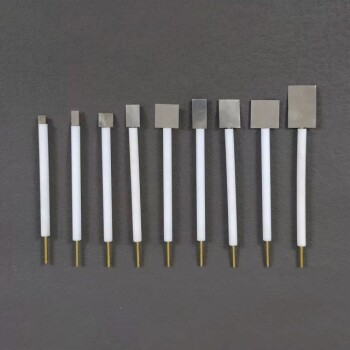
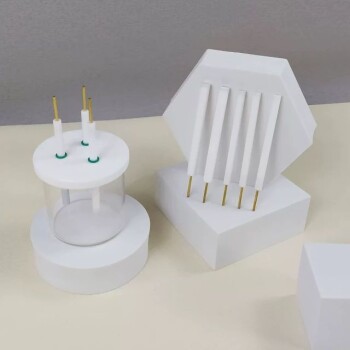
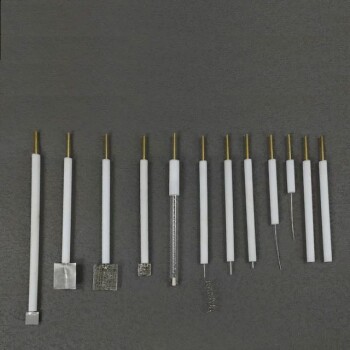
The primary advantages of using a Platinum (Pt) electrode as an auxiliary electrode when testing zirconium are its exceptional chemical inertness and superior electrical conductivity. By resisting oxidation and dissolution, Platinum ensures that the electrochemical test environment remains pure, preventing the introduction of foreign metal ions that could skew the polarization data.
Core Takeaway: Platinum acts as a highly stable "silent partner" in the electrochemical cell; it efficiently completes the electrical circuit and withstands high currents without degrading, ensuring that the measured corrosion characteristics belong exclusively to the zirconium specimen.
The Principles of Data Integrity
To understand why Platinum is the standard choice for testing zirconium, one must look at how the auxiliary electrode interacts with the test environment.
Chemical Inertness and Purity
The most critical requirement for an auxiliary electrode is stability. Platinum possesses high chemical inertness, meaning it does not participate in the oxidation-reduction reactions occurring during the test.
Because Platinum does not dissolve, it ensures that no impurity metal ions are introduced into the test solution. Maintaining this solution purity is vital for obtaining reliable polarization characteristics of the zirconium.
Stability Under Current Load
Polarization measurements often require the system to handle significant electrical loads. Platinum can withstand large current flows without undergoing oxidation itself.
This stability preserves the physical integrity of the electrode throughout the experiment. It ensures the auxiliary electrode remains a constant variable, rather than a degrading component.
Electrical Conductivity
Accurate electrochemical measurements rely on efficient electron transfer. Platinum offers superior electrical conductivity, which is essential for completing the electrical circuit with the working electrode (the zirconium sample).
Uniform Current Distribution
Beyond simple conductivity, the auxiliary electrode helps define the electrical field within the solution. Platinum ensures a uniform current distribution across the cell.
This uniformity allows the measured polarization curves to accurately reflect the true surface corrosion characteristics of the specimen, rather than artifacts caused by uneven current flow.
Understanding the Risks of Alternatives
When selecting an auxiliary electrode, it is helpful to understand the "trade-offs" or risks associated with using less stable materials.
Risk of Solution Contamination
If a non-inert metal were used instead of Platinum, it might corrode or dissolve under the applied current. This would release foreign ions into high-purity test solutions (such as plutonium nitrate or specific zirconium test media).
Compromised Data Reliability
The presence of foreign ions alters the chemistry of the electrolyte. This contamination can lead to false readings, making it impossible to distinguish the behavior of the zirconium from the interference caused by the degrading auxiliary electrode.
Making the Right Choice for Your Goal
When designing your electrochemical setup for zirconium, consider your specific data requirements.
- If your primary focus is High-Precision Analysis: Use Platinum to guarantee zero contamination and ensure that all observed reactions are attributed solely to the zirconium.
- If your primary focus is High-Current Polarization: Rely on Platinum to maintain conductivity and structural integrity without the risk of electrode oxidation.
Ultimately, Platinum provides the stability required to transform a noisy electrochemical environment into a controlled, accurate measurement system.
Summary Table:
| Feature | Benefit for Zirconium Polarization Testing |
|---|---|
| Chemical Inertness | Prevents solution contamination by avoiding electrode dissolution. |
| High Conductivity | Ensures efficient electron transfer and a complete electrical circuit. |
| Current Stability | Withstands high current loads without oxidation or structural degradation. |
| Current Distribution | Provides uniform electrical fields for accurate surface corrosion mapping. |
| Data Integrity | Guarantees that measured characteristics belong solely to the zirconium specimen. |
Elevate Your Electrochemical Research with KINTEK
Precision in polarization testing starts with high-quality components. At KINTEK, we specialize in providing premium laboratory equipment and consumables designed for the most demanding research environments. Whether you are testing the corrosion resistance of zirconium or developing next-generation energy solutions, our Platinum electrodes, electrolytic cells, and high-performance electrodes ensure your data remains untainted and reliable.
From high-temperature furnaces and reactors to specialized battery research tools, KINTEK is your partner in scientific excellence. Don't let inferior materials compromise your results. Contact our technical experts today to find the perfect electrochemical solutions for your laboratory's needs.
References
- Masaumi Nakahara, Hitoshi Abe. Electrochemical properties of zirconium in highly concentrated plutonium nitrate solution. DOI: 10.15669/pnst.5.52
This article is also based on technical information from Kintek Solution Knowledge Base .
Related Products
- Platinum Sheet Electrode for Laboratory and Industrial Applications
- Rotating Platinum Disk Electrode for Electrochemical Applications
- Platinum Sheet Electrode for Battery Lab Applications
- Platinum Auxiliary Electrode for Laboratory Use
- RRDE rotating disk (ring disk) electrode / compatible with PINE, Japanese ALS, Swiss Metrohm glassy carbon platinum
People Also Ask
- What is a common use for a platinum sheet electrode? As a Reliable Counter Electrode in Electrochemical Cells
- What is the most critical guideline for immersing a platinum sheet electrode in an electrolyte? Ensure Accurate Electrochemical Measurements
- What is the purity of the platinum sheet in a platinum sheet electrode? The Key to Reliable Electrochemical Data
- What is the expected lifespan of a platinum sheet electrode? Maximize Your Electrode's Service Life
- What are the available specifications for platinum sheet electrodes? Find the Perfect Fit for Your Electrochemical Needs