At its core, pyrolysis offers a dual advantage: it transforms low-value or waste materials into high-value products while simultaneously providing significant environmental benefits. This process converts organic materials like biomass, plastics, and agricultural residue into valuable outputs such as biofuels, biochar, and chemicals, creating a sustainable alternative to both landfilling and fossil fuel consumption.
Pyrolysis is fundamentally a valorization process. It unlocks the chemical and energy potential stored within organic waste, converting an environmental liability into a portfolio of valuable assets like renewable fuels, industrial chemicals, and carbon-capturing biochar.

The Core Benefits: Turning Waste into Value
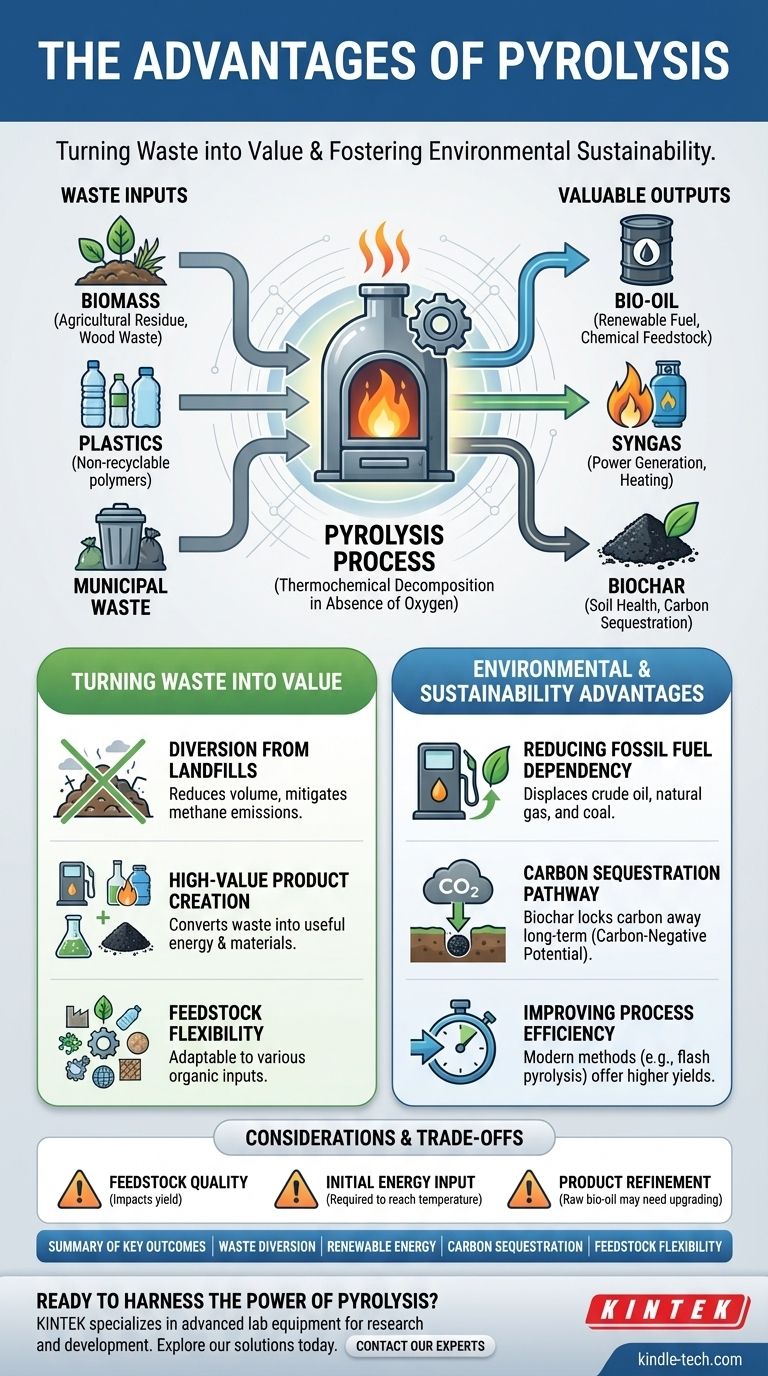
Pyrolysis is a thermochemical process that decomposes organic material at high temperatures in the absence of oxygen. This core mechanism is the source of its primary advantages.
Diversion from Landfills
Pyrolysis provides a powerful solution for managing various waste streams. It effectively processes agricultural residues, wood waste, municipal solid waste, and even certain plastics that are difficult to recycle mechanically.
This dramatically reduces the volume of material sent to landfills, mitigating associated environmental problems like methane emissions and land use.
Creation of High-Value Products
Instead of simply disposing of waste, pyrolysis converts it into several useful products.
- Bio-oil: A liquid fuel that can be used for heating or power generation and can be upgraded into transportation fuels. It represents a high-energy-density alternative to fossil fuels.
- Syngas: A mixture of combustible gases that can be used to generate electricity or heat, often to power the pyrolysis process itself, making it highly energy-efficient.
- Biochar: A stable, carbon-rich solid that has immense value. It can be used to improve soil health, sequester carbon long-term, and act as a filtration medium.
Feedstock Flexibility
The process is adaptable to a wide range of organic inputs. This flexibility allows facilities to utilize locally available, low-cost resources, from crop waste in agricultural regions to wood processing waste in forestry areas.
Environmental and Sustainability Advantages
Beyond waste management, pyrolysis offers compelling benefits for environmental sustainability and the transition to a circular economy.
Reducing Fossil Fuel Dependency
By producing renewable fuels and chemicals from waste biomass, pyrolysis directly displaces the need for crude oil, natural gas, and coal. This reduces the pollution and geopolitical instability associated with fossil fuel extraction and consumption.
A Pathway for Carbon Sequestration
The production of biochar is one of the most significant environmental advantages of pyrolysis. When added to soil, biochar locks carbon away for hundreds or even thousands of years.
This makes pyrolysis a potentially carbon-negative technology; it can actively remove carbon dioxide from the atmosphere, helping to combat climate change.
Improving Process Efficiency
Modern methods like flash pyrolysis offer superior performance. They feature faster processing times and higher product yields, making the conversion of waste to value more economically viable and scalable.
Understanding the Trade-offs and Considerations
To make an informed decision, it's crucial to understand that pyrolysis is not a universal solution. Its effectiveness is context-dependent.
Feedstock Quality is Key
The composition and quality of the input material (feedstock) directly impact the yield and quality of the outputs. Inconsistent or contaminated feedstock can lead to inefficient operation and lower-value products.
Initial Energy Input
While a pyrolysis plant can become self-sustaining using its own syngas, the process requires a significant initial input of energy to reach the high temperatures necessary for decomposition. This energy cost must be factored into any economic or environmental analysis.
Product Refinement
The raw bio-oil produced by pyrolysis often requires further processing or upgrading before it can be used as a drop-in replacement for conventional fuels. This adds a layer of complexity and cost to the overall process.
Making the Right Choice for Your Goal
The advantages of pyrolysis are best leveraged when aligned with a specific objective.
- If your primary focus is waste management: Pyrolysis is an exceptional technology for reducing waste volume and diverting organic and plastic materials from landfills.
- If your primary focus is renewable energy production: The process provides a consistent method for converting low-value biomass into a high-density, storable liquid fuel (bio-oil).
- If your primary focus is carbon removal and soil health: The production and application of biochar is a unique and powerful advantage of pyrolysis, offering a direct path to carbon sequestration.
Ultimately, the strategic advantage of pyrolysis lies in its flexibility to address environmental and economic challenges simultaneously.
Summary Table:
| Advantage | Key Outcome |
|---|---|
| Waste Diversion | Reduces landfill volume and methane emissions. |
| Renewable Energy | Produces bio-oil and syngas as fossil fuel alternatives. |
| Carbon Sequestration | Creates biochar to lock away carbon and improve soil health. |
| Feedstock Flexibility | Processes biomass, plastics, and agricultural residues. |
Ready to harness the power of pyrolysis for your laboratory or operation? KINTEK specializes in advanced lab equipment and consumables for pyrolysis research and development. Whether you're analyzing bio-oil yields, optimizing biochar production, or scaling up sustainable processes, our solutions provide the precision and reliability you need. Contact our experts today to explore how we can support your journey in turning waste into value.
Visual Guide
Related Products
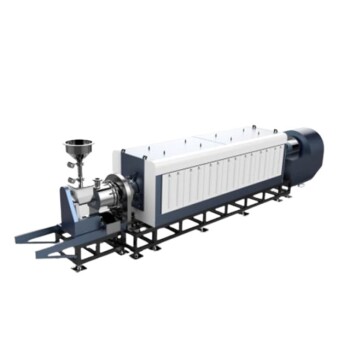
- Electric Rotary Kiln Small Rotary Furnace Biomass Pyrolysis Plant
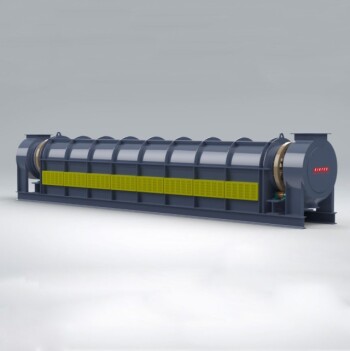
- Electric Rotary Kiln Pyrolysis Furnace Plant Machine Calciner Small Rotary Kiln Rotating Furnace
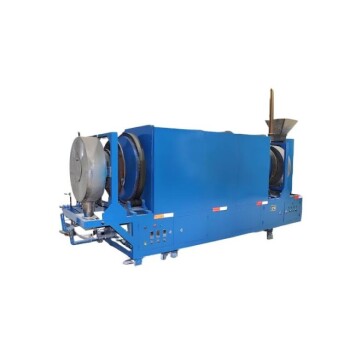
- Electric Rotary Kiln Continuous Working Small Rotary Furnace Heating Pyrolysis Plant
People Also Ask
- What is the temperature of a rotating kiln? It Depends on Your Material and Process Goal
- What are the principles of a rotary kiln? Master the Mechanics of High-Temperature Processing
- What are the different types of calciners? A Guide to Selecting the Right Thermal Processing Equipment
- How are rotary kilns heated? Direct vs. Indirect Heating Methods Explained
- Is rotary kiln a furnace? Discover the Key Differences for Industrial Processing