The primary function of a stainless steel high-pressure autoclave with a PTFE liner in glycerol etherification is to provide a dual-layer defense system that manages both extreme physical stress and aggressive chemical environments. The stainless steel shell contains the high pressures generated by volatile solvents, while the internal PTFE liner acts as an inert barrier, preventing acidic catalysts from corroding the reactor and contaminating your research samples.
Core Takeaway Glycerol etherification combines volatile reagents with acidic catalysts, creating a reaction environment that attacks standard materials. The autoclave system decouples mechanical strength from chemical resistance: the steel handles the pressure to drive reaction kinetics, while the PTFE liner ensures the chemistry remains pure and the vessel remains undamaged.
The Role of the Stainless Steel Shell
Containing Volatile Solvents
Glycerol etherification frequently utilizes volatile solvents, such as isobutylene or tert-butanol. As the temperature rises, these solvents expand and vaporize, generating significant internal force.
Creating a Pressure-Resistant Environment
Standard glassware cannot withstand the stress exerted by these volatile components. The stainless steel exterior provides the necessary structural integrity to contain this pressure safely, preventing catastrophic vessel failure during operation.
Enhancing Reactivity via Autogenous Pressure
The sealed nature of the stainless steel vessel allows for the generation of autogenous pressure. This internal pressure significantly increases the solubility of precursors and enhances their reactivity, facilitating conversions that are difficult to achieve under atmospheric conditions.
The Function of the PTFE Liner
Protecting Against Acidic Corrosion
This chemical process typically requires acidic catalysts to proceed efficiently. Without protection, these acids would aggressively corrode the metallic surfaces of a standard steel reactor, leading to structural degradation.
Ensuring Exceptional Chemical Inertness
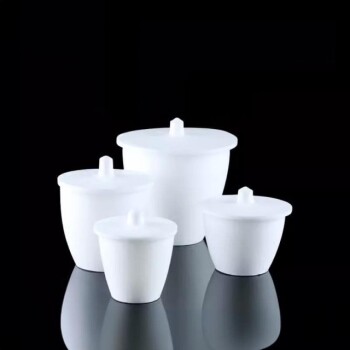
The PTFE (Polytetrafluoroethylene) liner provides a chemically inert shield between the reaction mixture and the steel wall. This isolation is critical for preventing reactions between the vessel materials and the aggressive intermediates generated during etherification.
Maintaining Sample Purity
Corrosion does not just damage the reactor; it leaches metal ions into your reaction mixture. By preventing this interaction, the PTFE liner ensures the purity of your samples, guaranteeing that your results reflect the chemistry of the reactants, not the degradation of your hardware.
Operational Considerations and Trade-offs
Reactor Longevity vs. Consumables
While the stainless steel shell is durable, the liner absorbs the chemical attack. Using the liner significantly extends the operational life of the reactor by sacrificing the replaceable plastic insert rather than damaging the expensive steel vessel.
Criticality of Liner Integrity
If the liner is compromised or omitted, the acidic environment will attack the steel immediately. It is a common pitfall to underestimate the corrosivity of acidic catalysts under high pressure; relying solely on the steel shell is rarely sufficient for this specific application.
Making the Right Choice for Your Goal
To maximize the effectiveness of your glycerol etherification research, align your equipment usage with your specific scientific objectives:
- If your primary focus is Reaction Kinetics: Ensure your stainless steel shell is rated for pressures well above the vapor pressure of your specific solvent (e.g., isobutylene) to maximize solubility.
- If your primary focus is Product Purity: Inspect the PTFE liner for scratches or deformation before every run, as even minor defects can allow acidic catalysts to contact the steel and contaminate the batch.
The synergy between the mechanical strength of steel and the chemical inertness of PTFE is the single most important factor in running safe, reproducible etherification experiments.
Summary Table:
| Component | Primary Function | Key Benefit |
|---|---|---|
| Stainless Steel Shell | High-pressure containment | Safely manages volatile solvents & enhances reaction kinetics. |
| PTFE Liner | Chemical inertness | Protects vessel from acidic corrosion & ensures sample purity. |
| Synergistic System | Dual-layer defense | Extends reactor lifespan while facilitating high-solubility reactions. |
Elevate Your Chemical Research with KINTEK
Don't let corrosion or pressure limits compromise your data. KINTEK specializes in high-performance laboratory equipment, including specialized high-temperature high-pressure reactors and autoclaves designed to withstand the most aggressive chemical environments. From our durable PTFE-lined vessels to our comprehensive range of crushing, milling, and hydraulic press systems, we provide the precision tools your lab requires for reproducible results.
Ready to optimize your reactor setup? Contact KINTEK experts today to find the perfect solution for your research goals!
References
- Prakas Palanychamy, Loong Kong Leong. Critical Review of the Various Reaction Mechanisms for Glycerol Etherification. DOI: 10.3390/catal12111487
This article is also based on technical information from Kintek Solution Knowledge Base .
Related Products
- Stainless High Pressure Autoclave Reactor Laboratory Pressure Reactor
- Mini SS High Pressure Autoclave Reactor for Laboratory Use
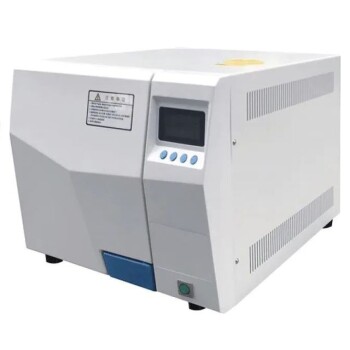
- Desktop Fast High Pressure Laboratory Autoclave Sterilizer 16L 24L for Lab Use
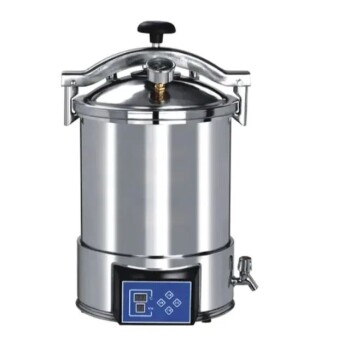
- Portable High Pressure Laboratory Autoclave Steam Sterilizer for Lab Use
- Laboratory High Pressure Horizontal Autoclave Steam Sterilizer for Lab Use
People Also Ask
- Why is a laboratory high-pressure reactor used in the hydrothermal synthesis of hydroxyapatite catalysts?
- Why is a laboratory high-pressure reactor necessary for synthesizing fly ash-based zeolite? Achieve Pure Crystallization
- What role does a laboratory high-pressure reactor play in the leaching process of spent cathode materials? Optimize Recovery
- What conditions do laboratory high-pressure reactors provide for HTC? Optimize Your Biochar Production Processes
- How are high-pressure reactors used to prepare metaphosphate electrocatalysts? Master In-Situ Precursor Growth