PTC heating elements are specifically engineered for "point heating applications" within industrial environments. Unlike high-power furnace heaters, these elements are designed for scenarios requiring lower temperatures and lower wattage. They are predominantly used in enclosed cabinets, sensitive electronic devices, and medical equipment where space is limited and consistent thermal regulation is essential.
PTC technology is the preferred choice when an application demands precise, self-regulating temperature control in a compact footprint. It eliminates the need for bulky external control circuits, making it ideal for maintaining stable conditions in confined spaces.
Defining the "Point Heating" Niche
To understand where PTC elements fit, you must first understand the concept of point heating. This is a specific subset of industrial heating distinct from large-scale thermal processing.
Lower Temperature Requirements
PTC elements are not designed for high-heat industrial processes like smelting or heat treatment. They are optimized for applications that require moderate, sustained temperatures rather than extreme heat.
Low Wattage Operations
These elements operate at lower wattage levels. This efficiency makes them suitable for continuous operation in systems where energy conservation and safety are priorities.
Simplified Control Architecture
One of the defining features of point heating with PTC is the reduction of complexity. Because PTC materials self-regulate, they often remove the need for elaborate control circuits, saving space and reducing failure points.
Primary Industrial Use Cases
Based on their operational characteristics, PTC heaters are standard in specific industrial sectors.
Enclosed Cabinet Heating
Industrial enclosures often require temperature regulation to prevent condensation or freezing. PTC heaters are frequently installed in enclosed cabinets to maintain a baseline temperature, protecting internal components from environmental factors.
Medical Equipment
Reliability is paramount in the medical field. PTC elements are widely used here because they provide consistent temperature control without the risk of overheating, which is critical for patient safety and the accuracy of sensitive diagnostic machines.
Electronic Devices
Electronics perform poorly in fluctuating temperatures. PTC heaters provide localized heat to ensure electronic devices remain within their optimal operating range, even in varying ambient conditions.
Understanding the Trade-offs
While PTC elements are excellent for point heating, they are not a universal solution for all industrial thermal needs.
Inability to Handle High-Temperature Processes
It is crucial to distinguish PTC applications from heavy industrial processing. For processes like hardening, brazing, or specialized heat treatments, PTC elements are insufficient.
Comparing High-Heat Alternatives
For those higher temperature ranges (above 500°C/932°F), industries typically rely on materials like Tungsten or Molybdenum. While these materials can handle the intense heat required for hardening, they come with challenges like oxidation and embrittlement that PTC elements do not face in their lower-temperature operating window.
Making the Right Choice for Your Goal
Selecting the correct heating element depends entirely on the intensity of heat required and the space available for control systems.
- If your primary focus is protecting sensitive electronics or medical devices: Choose PTC elements for their ability to self-regulate temperature in confined spaces without complex circuitry.
- If your primary focus is high-temperature metal processing: Avoid PTC and investigate refractory metals like Tungsten, noting that they require controlled atmospheres to prevent oxidation.
Success lies in utilizing PTC specifically for low-wattage, precision maintenance rather than high-energy thermal transformation.
Summary Table:
| Feature | PTC Heating Element | High-Temperature Alternatives (Tungsten/Mo) |
|---|---|---|
| Core Application | Point Heating (Cabinets, Electronics) | High-Heat Processing (Hardening, Brazing) |
| Temperature Range | Low to Moderate | Extremely High (>500°C) |
| Regulation | Self-regulating (No complex circuits) | Requires External Control Systems |
| Wattage | Low Wattage / Energy Efficient | High Wattage |
| Main Advantage | Compact & Safe; No Overheating Risk | Capable of Extreme Thermal Transformation |
Optimize Your Lab Thermal Control with KINTEK
Precise temperature management is the backbone of successful research and industrial processing. At KINTEK, we understand that every application—from protecting sensitive electronics with point heating to executing complex metal treatments—demands the right tools.
We specialize in providing a comprehensive range of laboratory equipment designed for accuracy and durability. Whether you need high-performance muffle, vacuum, or tube furnaces for extreme heat, or crushing, milling, and hydraulic press systems for material preparation, KINTEK has you covered. Our portfolio also features advanced high-temperature high-pressure reactors, electrolytic cells, and specialized cooling solutions like ULT freezers and freeze dryers.
Ready to enhance your lab’s efficiency and performance? Contact our experts today to find the perfect heating solution or consumable for your specific industrial needs!
Related Products
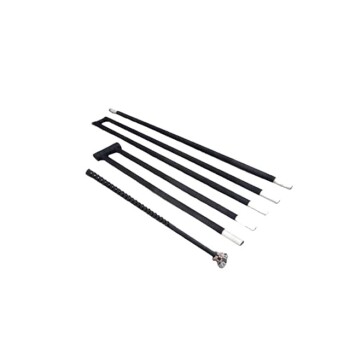
- Silicon Carbide SiC Thermal Heating Elements for Electric Furnace
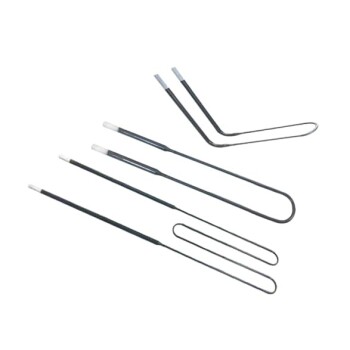
- Molybdenum Disilicide (MoSi2) Thermal Elements Electric Furnace Heating Element
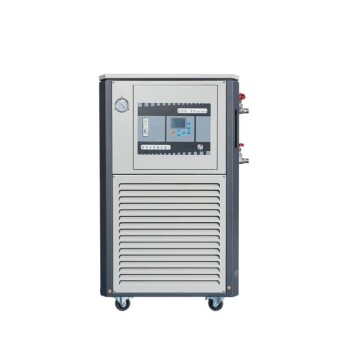
- High Temperature Constant Temperature Heating Circulator Water Bath Chiller Circulator for Reaction Bath
- 10L Heating Chilling Circulator Cooling Water Bath Circulator for High and Low Temperature Constant Temperature Reaction
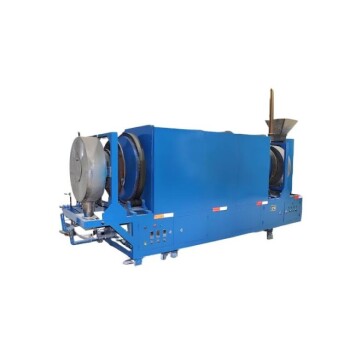
- Electric Rotary Kiln Continuous Working Small Rotary Furnace Heating Pyrolysis Plant
People Also Ask
- What is the function of the heating element in a furnace? The Engine of Your Thermal Process
- What is the best heating element for a furnace? A Guide to Selecting the Right Material for Your Temperature Needs
- What is SiC elements? The Ultimate High-Temperature Heating Solution
- How long does a heating element last on the furnace? Understand Lifespan & Safety for Your System
- What are silicon carbide heating elements used for? Reliable High-Temp Heating for Industrial Processes