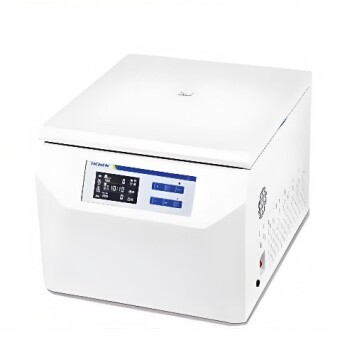
A high-pressure reactor, often referred to as an autoclave, establishes a critical environment characterized by saturated steam generated through sealed heating. Specifically, this process maintains a stable temperature of 150°C alongside a pressure of approximately 5 bar. These precise environmental conditions are essential for driving the physical changes required to enhance the properties of strengthened glass.
The core function of this environment is to utilize high pressure to force moisture into the glass network, inducing structural relaxation that significantly improves wear resistance.
The Physics of the Chamber
Creating Saturated Steam
The reactor operates by sealing the heating chamber completely. By containing the thermal energy and moisture, it transforms water into a saturated steam state.
Specific Pressure and Temperature Targets
The effectiveness of this treatment relies on maintaining specific parameters. The standard protocol requires holding the temperature at 150°C.
Simultaneously, the pressure is regulated to approximately 5 bar. This elevated pressure is the mechanical driver that distinguishes this process from simple thermal treatments.
Mechanism of Action on Glass
Accelerating Moisture Penetration
The high-pressure environment serves a distinct physical purpose: it accelerates the penetration of moisture into the glass material.
Under standard atmospheric pressure, this moisture migration would be slow or superficial. The 5 bar pressure forces the moisture deeper into the glass network structure.
Inducing Structural Relaxation
Once the moisture penetrates the glass network, it triggers a phenomenon known as surface structural relaxation.
This relaxation is a realignment of the glass structure at the microscopic level. It is the direct result of the interaction between the pressurized steam and the glass surface.
Addressing Material Vulnerabilities
Compensating for Ion Exchange Effects
Chemically strengthened glass often undergoes ion exchange, which can introduce surface brittleness as a side effect.
The steam treatment acts as a compensatory measure. By relaxing the surface structure, it mitigates the brittleness caused by the prior ion exchange process.
Elevating the Wear Resistance Threshold
The ultimate outcome of these environmental conditions is a tangible improvement in durability.
The structural relaxation effectively increases the wear resistance threshold of the glass, making it less susceptible to surface damage during use.
Making the Right Choice for Your Goal
When integrating high-pressure steam treatment into your manufacturing workflow, consider your specific performance targets.
- If your primary focus is mitigating brittleness: Utilize this process to compensate for the surface tension and fragility introduced during the ion exchange phase.
- If your primary focus is surface durability: Rely on the saturated steam environment to raise the wear resistance threshold, extending the functional lifespan of the glass.
By precisely controlling temperature and pressure, you transform a simple heating process into a critical structural enhancement for high-performance glass.
Summary Table:
| Parameter | Targeted Condition | Function/Effect on Glass |
|---|---|---|
| Temperature | 150°C | Facilitates thermal energy for structural relaxation |
| Pressure | Approx. 5 bar | Forces moisture penetration into the glass network |
| Medium | Saturated Steam | Drives the chemical/physical interaction for treatment |
| Primary Result | Surface Relaxation | Reduces brittleness and boosts wear resistance |
Elevate Your Material Durability with KINTEK Solutions
Maximize the performance of your strengthened glass using KINTEK’s industry-leading high-pressure reactors and autoclaves. Whether you are aiming to mitigate surface brittleness from ion exchange or significantly raise the wear resistance threshold of your products, our precision-engineered systems deliver the stable 150°C and 5 bar environments required for superior structural relaxation.
From high-temperature furnaces and hydraulic presses to specialized battery research tools and electrolytic cells, KINTEK provides the comprehensive laboratory equipment needed to drive innovation in material science.
Ready to optimize your steam treatment process? Contact KINTEK today to find the perfect high-pressure solution for your lab!
References
- Gohar Sani, Lothar Wondraczek. Surface Hardness and Abrasion Threshold of Chemically Strengthened Soda-Lime Silicate Glasses After Steam Processing. DOI: 10.52825/glass-europe.v1i.435
This article is also based on technical information from Kintek Solution Knowledge Base .
Related Products
- Customizable Laboratory High Temperature High Pressure Reactors for Diverse Scientific Applications
- Customizable High Pressure Reactors for Advanced Scientific and Industrial Applications
- Stainless High Pressure Autoclave Reactor Laboratory Pressure Reactor
- Mini SS High Pressure Autoclave Reactor for Laboratory Use
- High Pressure Laboratory Autoclave Reactor for Hydrothermal Synthesis
People Also Ask
- How do high-pressure and high-temperature reactors ensure the effective treatment of lignocellulosic wastewater in WAO?
- What equipment is required for high-pressure high-temperature reactions? Master Extreme Chemistry Safely
- How do you control high pressure in a reactor? A Guide to Safe & Stable Operation
- How does initial oxygen pressure affect the wet oxidation of pharmaceutical sludge? Master Your Oxidation Depth
- Why is argon better than nitrogen for inert atmosphere? Ensure Absolute Reactivity & Stability