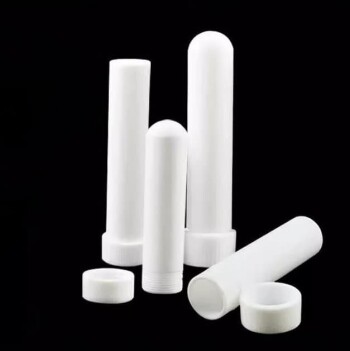
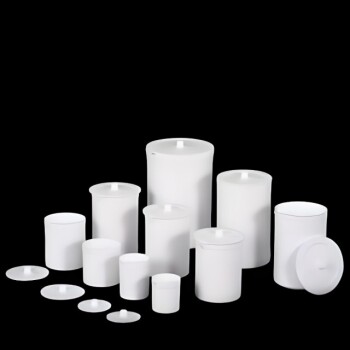
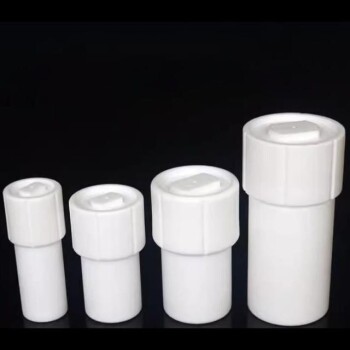
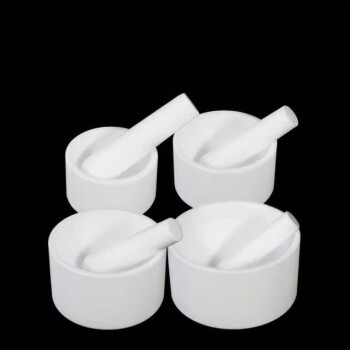
High chemical stability PTFE bottles are strictly necessary in coal demineralization because the process relies on aggressive reagents like hydrochloric and hydrofluoric acids. Standard glass or lower-grade plastic containers cannot withstand these corrosive agents and will degrade during the procedure. PTFE (Polytetrafluoroethylene) provides the essential chemical inertness required to prevent the container from reacting with the acids or contaminating the coal sample.
Chemical inertness is the prerequisite for data integrity. By resisting the corrosive attack of hydrofluoric acid, PTFE prevents container dissolution and ensures that the measurement of Alkali and Alkaline Earth Metals (AAEM) reflects only the coal sample, not the composition of the bottle.
The Chemical Challenge of Demineralization
The demineralization of coal is an aggressive chemical process designed to strip mineral matter from the organic coal matrix. This environment dictates strict material requirements for laboratory ware.
Withstanding Aggressive Acids
The process specifically utilizes hydrochloric acid and hydrofluoric acid. Hydrofluoric acid, in particular, is notorious for its ability to dissolve silicate-based materials, including standard borosilicate glass.
Using PTFE is not merely a preference; it is a safety and functional requirement. PTFE is chemically inert, meaning it remains stable and structurally sound even when exposed to these strong acids for extended periods.
Preventing Material Dissolution
When a container lacks sufficient chemical stability, the container wall begins to dissolve into the solution. This compromises the physical containment of the sample.
PTFE creates a robust barrier. It effectively isolates the coal and acid mixture, ensuring the reaction proceeds without degrading the vessel holding it.
Ensuring Analytical Precision
The ultimate goal of using PTFE is to protect the scientific validity of the analysis. Physical containment is secondary to chemical purity.
Eliminating Cross-Contamination
If a sample bottle reacts with the acid, elements from the bottle material leach into the solution. This introduces "background noise" or impurities that were not present in the original coal sample.
PTFE’s inert nature guarantees that no foreign chemical components are introduced into the processing solution.
Protecting AAEM Data Integrity
The primary reference highlights the critical need to analyze Alkali and Alkaline Earth Metals (AAEM). Many standard glass and ceramic containers contain these exact metals in their structure.
If the acid attacks the container, it releases these metals into the sample, artificially inflating the AAEM readings. Using PTFE is the only way to ensure the detected metals originated solely from the coal.
Common Pitfalls and Trade-offs
While PTFE is the superior choice for this specific application, understanding its limitations ensures better lab management.
Cost vs. Necessity
PTFE labware is significantly more expensive than standard polyethylene or glass. However, in the context of hydrofluoric acid use, this cost is unavoidable as cheaper alternatives will fail or ruin the data.
Physical Properties
While chemically robust, PTFE is softer than glass. It can be scratched if cleaned with abrasive materials, which can create sites for particulate carryover between experiments if not cleaned properly.
Making the Right Choice for Your Goal
Selecting the correct sample bottle is determined by the specific chemistry of your procedure.
- If your primary focus is AAEM Analysis: You must use PTFE to completely eliminate the risk of leaching sodium, potassium, or calcium from the container walls.
- If your primary focus is Safety: You must use PTFE whenever hydrofluoric acid is present to prevent the catastrophic failure of glass vessels.
Ultimately, the use of PTFE is an investment in the reliability of your baseline data.
Summary Table:
| Feature | PTFE (Polytetrafluoroethylene) | Standard Glass/Plastic |
|---|---|---|
| Chemical Resistance | Exceptional (Inert to HF and HCl) | Low (Dissolves in HF) |
| Contamination Risk | Zero (No leaching of metals) | High (Leaches AAEMs/Silicates) |
| Durability | High chemical longevity | Structural failure in acid |
| Primary Application | Aggressive acid digestion/demineralization | General non-corrosive storage |
| Cost-to-Value | Higher initial cost; saves data integrity | Low cost; risks sample loss |
Secure Your Analytical Precision with KINTEK PTFE Labware
Don't let container contamination compromise your research data. KINTEK specializes in high-performance laboratory equipment and consumables, offering a premium range of PTFE products, ceramics, and crucibles designed to withstand the most aggressive chemical environments.
Whether you are conducting coal demineralization or advanced battery research, our solutions—from high-temperature furnaces and hydrostatic presses to specialized electrolytic cells—ensure your results are accurate and reproducible.
Ready to upgrade your lab's chemical stability? Contact KINTEK today to discover how our high-purity consumables and precision equipment can enhance your laboratory’s efficiency and safety.
References
- Changshuai Du, Penghua Qiu. Importance of volatile AAEM species to char reactivity during volatile–char interactions. DOI: 10.1039/c6ra27485d
This article is also based on technical information from Kintek Solution Knowledge Base .
Related Products
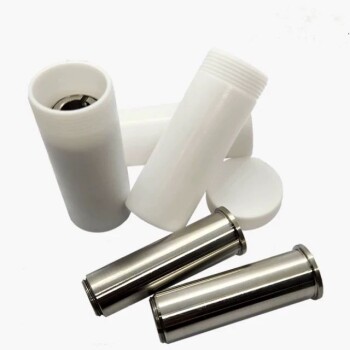
- Custom PTFE Teflon Parts Manufacturer for Reagent Wide Mouth Fine Mouth Sample High Temperature Bottles
- Custom PTFE Teflon Parts Manufacturer for PTFE Bottle Oil Fume Sampling Tube
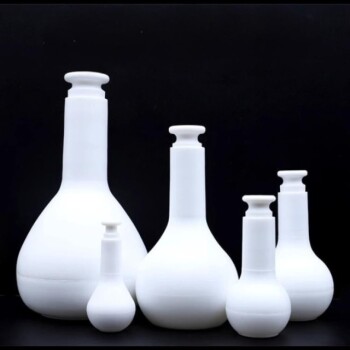
- Custom PTFE Teflon Parts Manufacturer for F4 PTFE Volumetric Bottle
- Custom PTFE Teflon Parts Manufacturer F4 Conical Flask Triangular Flask 50 100 250ml
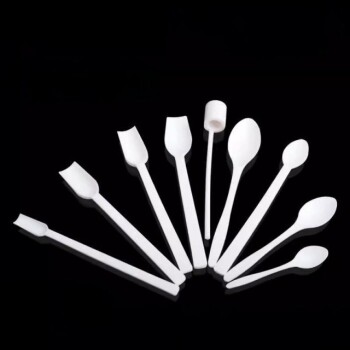
- Custom PTFE Teflon Parts Manufacturer for Sampling Solution Sample and Dry Powder Spoons
People Also Ask
- What makes PTFE bottles suitable for static leaching? Ensure Zero-Contamination for Glass Testing
- Why are PTFE containers necessary for selective HF etching of MAX phases? Ensure Safe & Pure MXene Synthesis
- Why use high-quality PTFE containers for CO2 reduction electrolytes? Eliminate silicon contamination and ensure data.
- Why is a PTFE container required for acid leaching of silicon nanosheets? Ensure High Purity and Safety
- Why are polytetrafluoroethylene (PTFE) containers essential for assessing the corrosion resistance of glassified waste?