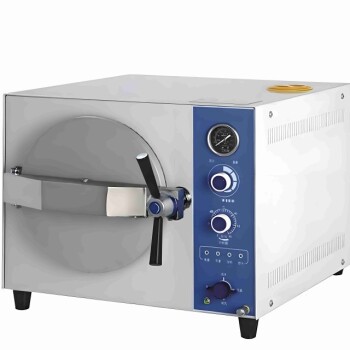
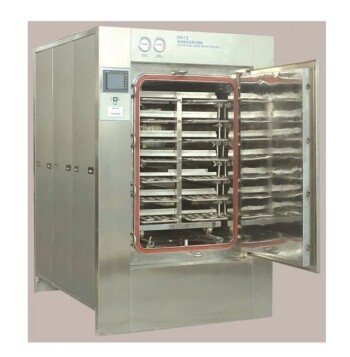
The primary function of a laboratory autoclave in the preparation of clarified seaweed hydrolysates is to serve as both a biological sterilization barrier and a chemical reaction vessel. Through the application of high-temperature and high-pressure steam, it eliminates contaminants to ensure the purity of the microbial environment. Simultaneously, it drives the further breakdown of complex sugars, optimizing the liquid for subsequent fermentation.
By treating pH-adjusted hydrolysates, the autoclave performs a dual role: it secures biological sterility for sensitive yeast strains and thermally degrades residual oligosaccharides to maximize substrate utilization.
The Dual Role of Thermal Treatment
Ensuring Biological Purity
The fundamental purpose of the autoclave in this workflow is sterilization. Seaweed hydrolysates are nutrient-rich environments that can easily support the growth of unwanted wild bacteria or fungi.
By subjecting the liquid to intense steam pressure, the autoclave neutralizes potential contaminants. This creates a clean slate, ensuring that during the subsequent inoculation, only the intended halotolerant yeast strain proliferates without competition.
Enhancing Substrate Availability
Beyond simple sterilization, the autoclave functions as a secondary hydrolysis step. The source material often contains residual oligosaccharides—complex sugars that are difficult for microbes to digest directly.
The high energy environment of the autoclave promotes the further hydrolysis of these compounds. This thermal breakdown converts them into simpler, usable forms, directly increasing the utilization rate of the fermentation substrate.
Critical Process Dependencies
The Role of pH Adjustment
The efficacy of the autoclaving process is heavily dependent on the state of the input material. The reference specifically notes the treatment of pH-adjusted seaweed hydrolysates.
Proper pH levels are likely required to facilitate the chemical hydrolysis of sugars under heat. Without this pre-adjustment, the thermal cycle may sterilize the liquid but fail to optimize the sugar profile effectively.
Operational Considerations and Trade-offs
Balancing Sterility with Chemistry
While the autoclave promotes hydrolysis, it is a blunt instrument. The goal is to maximize the conversion of oligosaccharides without degrading the sugars into inhibitory byproducts.
Energy and Throughput
Using an autoclave for chemical hydrolysis is effective but energy-intensive. It combines two processing steps (sterilization and hydrolysis) into one, which is efficient for laboratory scale but requires careful monitoring to ensure the "further hydrolysis" does not compromise the nutritional quality of the media.
Optimizing Your Fermentation Strategy
To maximize the effectiveness of your seaweed hydrolysate preparation, consider your specific experimental goals:
- If your primary focus is culture purity: Prioritize the sterilization cycle parameters to ensure a completely neutral environment for the halotolerant yeast, preventing contamination.
- If your primary focus is yield maximization: View the autoclave cycle as a chemical processing step; ensure your pH adjustments are precise to leverage the heat for maximum oligosaccharide breakdown.
The autoclave should be viewed not just as a cleaning device, but as an active participant in improving the chemical composition of your fermentation media.
Summary Table:
| Function | Process Detail | Impact on Fermentation |
|---|---|---|
| Biological Sterilization | High-pressure steam neutralization | Prevents contamination; ensures yeast purity |
| Chemical Hydrolysis | Thermal degradation of oligosaccharides | Converts complex sugars into simpler, usable forms |
| Substrate Optimization | pH-dependent thermal breakdown | Increases substrate utilization rate and yield |
| Operational Efficiency | Dual-purpose processing | Consolidates sterilization and chemical processing |
Elevate Your Fermentation Efficiency with KINTEK
Precise control over sterilization and substrate preparation is critical for successful seaweed-based research. KINTEK specializes in high-performance laboratory equipment, offering a premium range of high-temperature high-pressure reactors and autoclaves designed to deliver the thermal precision needed for both biological purity and chemical hydrolysis.
Whether you are refining seaweed hydrolysates or conducting advanced microbial research, our portfolio supports your entire workflow—from crushing and milling systems for raw material processing to high-temperature furnaces and ULT freezers for sample preservation.
Ready to optimize your lab's productivity? Contact our experts today to find the perfect autoclave and laboratory solutions tailored to your specific research goals.
References
- Edward Jones, Christopher J. Chuck. Saltwater based fractionation and valorisation of macroalgae. DOI: 10.1002/jctb.6443
This article is also based on technical information from Kintek Solution Knowledge Base .
Related Products
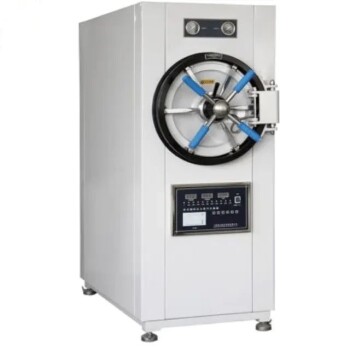
- Laboratory Horizontal Autoclave Steam Sterilizer Lab Microcomputer Sterilizer
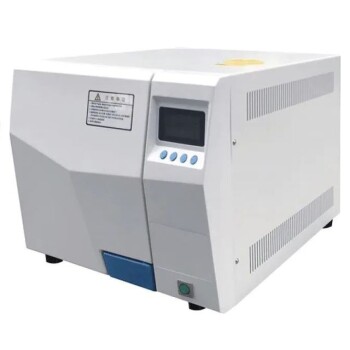
- Desktop Fast Laboratory Autoclave Sterilizer 20L 24L for Lab Use
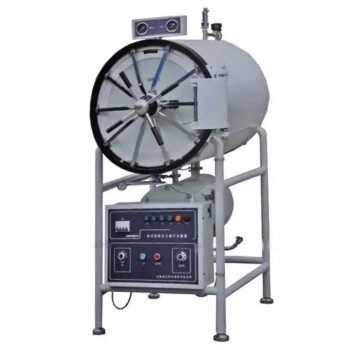
- Desktop Fast Laboratory Autoclave Sterilizer 35L 50L 90L for Lab Use
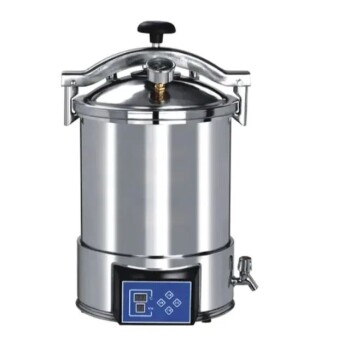
- Desktop Fast High Pressure Laboratory Autoclave Sterilizer 16L 24L for Lab Use
- High Pressure Laboratory Autoclave Reactor for Hydrothermal Synthesis
People Also Ask
- What precautions should be taken during autoclave in laboratory? A Complete Safety Guide to Prevent Burns and Explosions
- What extreme conditions does a laboratory autoclave simulate? Testing Wear Resistance of Nuclear Fuel Cladding
- What role does a laboratory autoclave play in HEA corrosion research? Key to Validating Advanced Reactor Materials
- Why is a laboratory autoclave necessary for Postgate Medium B (PMB)? Ensure Pure SRB Cultures & Accurate MIC Research
- What is the importance of using a laboratory autoclave in ZSM-5 synthesis? Achieve Perfect Zeolite Crystallization