High-purity nitrogen acts as a critical conditioning agent within a supercritical water test loop. Its primary function is the continuous deoxygenation of the test solution—specifically 18 MΩ deionized water—to strictly limit dissolved oxygen levels. By maintaining these levels below 50 ppb, nitrogen ensures the test environment accurately replicates the operating conditions of power generation equipment.
Core Insight: The use of high-purity nitrogen is fundamental to data integrity in corrosion testing. By stripping excess oxygen from the water, it eliminates environmental interference, ensuring that the corrosion observed on stainless steels and nickel-based alloys is a result of the supercritical water itself, not artificial oxidation.
Precision Control of Water Chemistry
Continuous Deoxygenation
The central role of nitrogen in this system is to actively displace oxygen.
In a test loop using high-purity, 18 MΩ deionized water, nitrogen is introduced to continuously purge the solution. This process removes dissolved gases that would otherwise alter the chemical baseline of the fluid.
Achieving the 50 ppb Threshold
The target for this process is rigorous: keeping dissolved oxygen levels below 50 parts per billion (ppb).
This specific threshold is not arbitrary; it is the standard required to mimic the specific water chemistry found in industrial high-temperature systems. Without nitrogen to maintain this limit, the water chemistry becomes unstable and unrepresentative.
Enabling Accurate Material Assessment
Simulating Real-World Conditions
To test how materials will perform in a power plant, you must replicate the plant's environment.
Power generation equipment operates under strictly controlled water chemistry regimes. High-purity nitrogen allows the test loop to simulate these actual operating conditions, bridging the gap between laboratory theory and industrial reality.
Isolating Corrosion Resistance
The ultimate goal of the test loop is to evaluate stainless steels and nickel-based alloys.
Excess dissolved oxygen acts as a contaminant that accelerates corrosion rates artificially. By using nitrogen to eliminate this interference, researchers can isolate the true corrosion resistance of the alloys in extreme water environments, ensuring the data reflects inherent material properties rather than environmental anomalies.
Critical Considerations for Data Integrity
The Risk of Oxygen Spikes
If the nitrogen supply is inconsistent, dissolved oxygen levels can rise rapidly.
Even a brief spike above 50 ppb can skew corrosion data, leading to false negatives regarding a material's durability. The nitrogen flow must be continuous and high-purity to prevent this variance.
Interdependence with Water Quality
Nitrogen sparging is only effective if the base solution is pure.
The process relies on the initial quality of the 18 MΩ deionized water. Nitrogen controls the gas content, but it cannot compensate for ionic impurities in the water itself; both controls must work in tandem for a valid test.
Ensuring Test Validity
To ensure your supercritical water test loop yields actionable data, align your nitrogen usage with your specific testing goals:
- If your primary focus is Simulation Accuracy: Ensure your nitrogen flow is calibrated to keep dissolved oxygen strictly below 50 ppb to match power generation standards.
- If your primary focus is Material Selection: Use continuous deoxygenation to eliminate oxygen interference, allowing you to compare the intrinsic corrosion resistance of different nickel-based alloys without bias.
Strict control of dissolved oxygen is the only way to guarantee that your laboratory results will translate reliably to field performance.
Summary Table:
| Feature | Role of High-Purity Nitrogen | Impact on Testing |
|---|---|---|
| Function | Continuous Deoxygenation | Displaces dissolved oxygen in 18 MΩ water |
| Threshold | Maintaining < 50 ppb O2 | Replicates industrial power plant water chemistry |
| Target Materials | Stainless Steels & Nickel Alloys | Isolates true corrosion resistance from oxidation |
| Data Integrity | Eliminating Oxygen Spikes | Prevents false negatives in material durability data |
| Environment | Controlled Simulation | Bridges laboratory theory with industrial reality |
Elevate Your Materials Research with KINTEK Precision
To achieve reliable data in supercritical water testing, precision control of your environment is non-negotiable. KINTEK specializes in advanced laboratory equipment designed to meet the rigorous standards of high-temperature and high-pressure research.
Whether you are analyzing the corrosion resistance of nickel-based alloys or developing next-generation power systems, we provide the tools you need for success, including:
- High-Temperature High-Pressure Reactors & Autoclaves for precise environmental simulation.
- High-Purity Furnaces (Tube, Muffle, Vacuum) for material pre-treatment and testing.
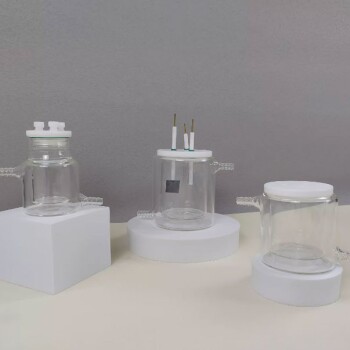
- Advanced Electrolytic Cells & Electrodes for electrochemical analysis.
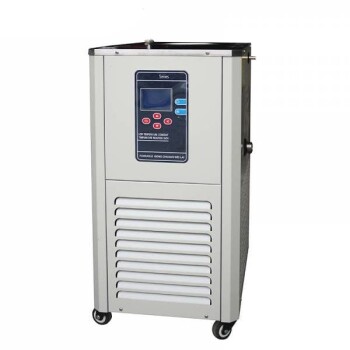
- Precision Cooling & Homogenizing Solutions to maintain test loop stability.
Don't let environmental interference compromise your results. Let our experts help you configure a system that ensures maximum data integrity. Contact KINTEK today to discuss your project requirements!
References
- David Rodríguez, Dev Chidambaram. Accelerated estimation of corrosion rate in supercritical and ultra-supercritical water. DOI: 10.1038/s41529-017-0006-1
This article is also based on technical information from Kintek Solution Knowledge Base .
Related Products
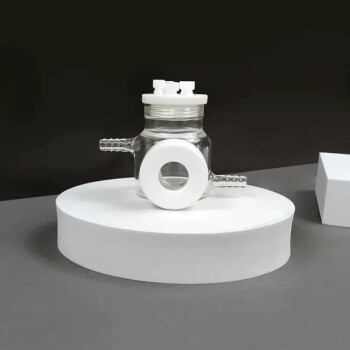
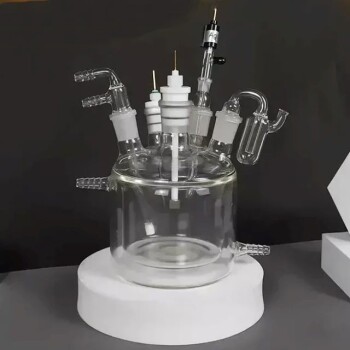
- Multifunctional Electrolytic Electrochemical Cell Water Bath Single Layer Double Layer
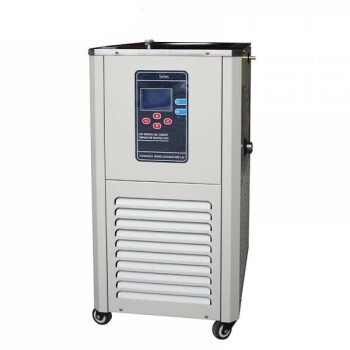
- 5L Heating Chilling Circulator Cooling Water Bath Circulator for High and Low Temperature Constant Temperature Reaction
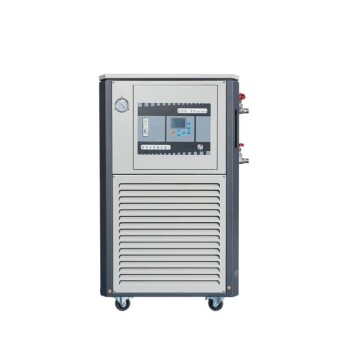
- 50L Heating Chilling Circulator Cooling Water Bath Circulator for High and Low Temperature Constant Temperature Reaction
- Optical Water Bath Electrolytic Electrochemical Cell
- 10L Chilling Circulator Cooling Water Bath Low Temperature Constant Temperature Reaction Bath
People Also Ask
- What does the routine maintenance of a double-layer water-bath electrolytic cell involve? A Guide to Ensuring Precision and Longevity
- When is professional repair required for a double-layer water-bath electrolytic cell? Protect Your Lab's Precision and Safety
- What are the key features of a double-layer water-bath electrolytic cell? Achieve Precise Temperature Control for Your Experiments
- What are the procedures for after using a double-layer water-bath electrolytic cell? Ensure Equipment Longevity and Data Accuracy
- What is the typical experimental system used with a double-layer water-bath electrolytic cell? Achieve Precise Electrochemical Control