Precise heating control is the fundamental requirement for slow pyrolysis because it dictates the rate of chemical decomposition and the quality of the final output. In processes like biomass and waste conversion, a control system allows for low heating rates—typically around 5°C to 10°C per minute—which are essential for effective dehydration, devolatilization, and the orderly breaking of long-chain polymers. Without this precision, the material may undergo violent reactions that destroy its physical structure or lead to inefficient energy recovery.
Core Takeaway: Precise heating control transforms pyrolysis from a crude thermal process into a refined chemical engineering tool, ensuring the structural integrity of biochar and maximizing the energy density of extracted biological byproducts.
Optimizing Chemical Decomposition through Controlled Heating
Managing Polymer Breakdown and Devolatilization
Slow pyrolysis requires a deliberate, gradual increase in temperature to allow sufficient time for complex polymers to break down. This is particularly critical for waste materials like face masks, where long-chain polymers must be systematically dismantled to capture useful byproducts.
A precise system ensures that dehydration and devolatilization occur in sequence rather than simultaneously. This phased approach allows for the controlled release of vapors, which can then be processed or condensed into high-value oils.
Protecting the Physical Structure of Biochar
High-precision control prevents the collapse of the biochar structure that often occurs during rapid, violent thermal reactions. By maintaining a steady, low heating rate, the system preserves the porous architecture of the solid product.
This preservation is vital for the material's final application. A stable structure ensures that the resulting biochar has a higher heating value and the specific physicochemical properties required for industrial use.
Enhancing Yield and Material Properties
Preventing Over-Carbonization and Inhibitor Formation
In biomass torrefaction, which typically occurs between 200°C and 300°C, precise control is the only way to ensure the complete depolymerization of hemicellulose. If temperatures fluctuate too high, the material undergoes over-carbonization, losing valuable mass yield.
Furthermore, accurate temperature management (such as maintaining exactly 121°C) minimizes the production of fermentation inhibitors like furfural. This ensures that the sugars remaining in the biomass are not degraded into substances that would hinder downstream biological processes.
Ensuring Uniformity in Specialized Material Production
Precision systems allow for the separation of thermal stages, such as distinguishing the dehydroxylation of minerals from carbon combustion. This prevents localized overheating, which can lead to the premature crystallization of materials into inert, useless phases.
For advanced applications like carbon nanotube growth, temperature gradients determine the diameter and structural integrity of the tubes. Precise control balances the diffusion and precipitation of carbon atoms, ensuring a consistent and reproducible product.
Understanding the Trade-offs and Operational Risks
Increased Process Duration and Throughput
The most significant trade-off of precise slow pyrolysis is the extended residence time required for the material. Because the heating rate is kept low (5°C/min), the overall throughput of a single reactor is significantly lower than that of fast pyrolysis systems.
This requires a strategic decision between product quality and production volume. Operators must weigh the higher value of superior biochar and oils against the capital costs of running a slower process.
System Complexity and Maintenance
High-precision programmable controllers and sensitive thermocouples increase the complexity of the reactor design. These systems require regular calibration and are more susceptible to failure in the harsh, corrosive environments typical of waste processing.
Failure to maintain these control systems can lead to thermal lag, where the actual material temperature differs from the sensor reading. This discrepancy can result in inconsistent product batches and potential safety hazards due to unexpected pressure spikes.
How to Apply Precision Control to Your Project
Making the Right Choice for Your Goal
- If your primary focus is high-quality biochar for carbon sequestration: Use a control system that stabilizes the heating rate at 5°C/min to preserve the internal pore structure and maximize surface area.
- If your primary focus is producing bio-coal or solid fuels: Prioritize a system capable of strict isothermal holds between 200°C and 300°C to optimize mass and energy yield while preventing over-carbonization.
- If your primary focus is extracting chemical feedstocks from waste: Implement programmable temperature ramps that allow for the distinct separation of devolatilization stages to ensure high-purity vapor capture.
- If your primary focus is advanced materials like nanotubes: Invest in a multi-zone furnace with precise gradient control to regulate the decomposition and deposition morphology of carbon molecules.
The success of a slow pyrolysis operation depends entirely on the ability to turn temperature from a volatile variable into a precisely controlled catalyst for chemical transformation.
Summary Table:
| Feature | Impact on Slow Pyrolysis | Primary Benefit |
|---|---|---|
| Low Heating Rate | 5°C to 10°C per minute | Orderly polymer breakdown & vapor capture |
| Structural Preservation | Prevents violent thermal reactions | High-surface-area, porous biochar |
| Isothermal Precision | Prevents over-carbonization (200-300°C) | Maximized mass yield and energy density |
| Inhibitor Control | Minimizes furfural production | High-purity sugars for downstream fermentation |
| Thermal Separation | Distinguishes mineral/carbon phases | Consistent product morphology and purity |
Elevate Your Pyrolysis Research with KINTEK Precision
Achieving the perfect chemical transformation requires more than just heat—it requires absolute control. KINTEK specializes in providing high-performance laboratory equipment designed for the rigorous demands of biomass and waste-to-energy research.
Whether you are optimizing biochar porosity or engineering carbon nanotubes, our extensive portfolio supports every stage of your workflow:
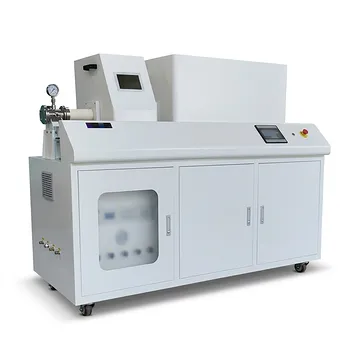
- Advanced Heating: High-temperature furnaces (tube, muffle, vacuum, and atmosphere) with programmable precision.
- Reaction & Processing: High-temperature high-pressure reactors, autoclaves, and specialized CVD/PECVD systems.
- Material Preparation: Crushing, milling, sieving equipment, and hydraulic presses for consistent feedstock.
- Support & Consumables: Essential PTFE products, ceramics, and crucibles for harsh thermal environments.
Ready to transform your thermal processes into a refined chemical engineering success? Contact KINTEK today to find the ideal furnace or reactor system for your specific application requirements.
References
- Yasirah Yusoff, Firas Basim Ismail. A Comparison of Feedstock from Agricultural Biomass and Face Masks for the Production of Biochar through Co-Pyrolysis. DOI: 10.3390/su152216000
This article is also based on technical information from Kintek Solution Knowledge Base .
Related Products
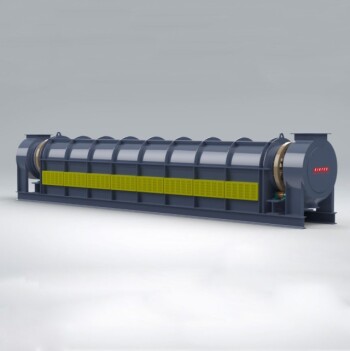
- Electric Rotary Kiln Continuous Working Small Rotary Furnace Heating Pyrolysis Plant
- Electric Rotary Kiln Pyrolysis Furnace Plant Machine Calciner Small Rotary Kiln Rotating Furnace
- Electric Rotary Kiln Small Rotary Furnace Biomass Pyrolysis Plant
- Spark Plasma Sintering Furnace SPS Furnace
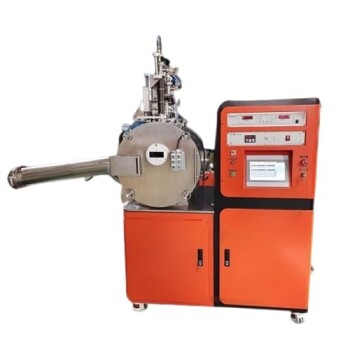
- Vacuum Induction Melting Spinning System Arc Melting Furnace
People Also Ask
- What are the characteristics of the slipping, slumping, and rolling modes of bed motion? Optimize Your Rotary Process
- What are the principles of a rotary kiln? Master the Mechanics of High-Temperature Processing
- What are the different types of calciners? A Guide to Selecting the Right Thermal Processing Equipment
- What is the temperature of a rotating kiln? It Depends on Your Material and Process Goal
- How are rotary kilns heated? Direct vs. Indirect Heating Methods Explained