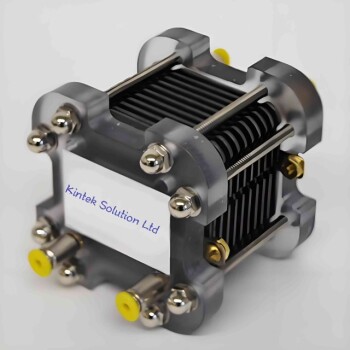
To analyze the stability of the interface between LATP and lithium metal, researchers use an electrochemical workstation to measure three specific parameters: ionic conductivity, the lithium-ion transference number, and time-dependent interface impedance.
These metrics are derived using specialized setups, such as symmetric cells or blocking electrode molds, to quantify how well the electrolyte conducts ions while resisting physical and chemical degradation.
By applying Electrochemical Impedance Spectroscopy (EIS) and DC polarization, these measurements provide a definitive, quantitative assessment of the electrolyte's ability to inhibit lithium dendrite growth and tolerate interface side reactions.
The Testing Framework
To understand interface stability, one must look beyond simple resistance. The analysis relies on a combination of specific hardware and testing methodologies.
Essential Hardware Setup
The primary tool is an electrochemical workstation. This is not used in isolation but is paired with specialized electrolytic cells to isolate specific behaviors.
Specialized Cell Configurations
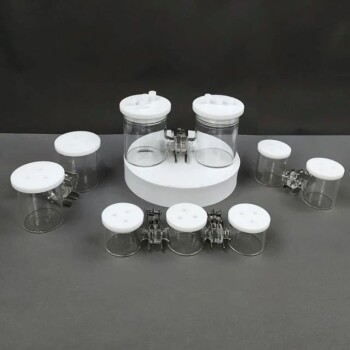
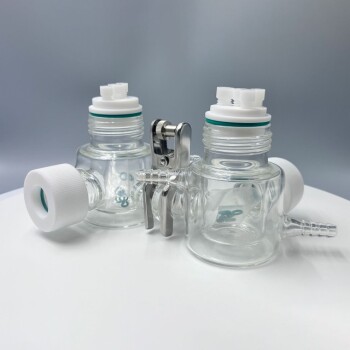
Researchers utilize symmetric cells or blocking electrode molds. These configurations are critical because they allow the workstation to isolate the response of the electrolyte and the interface without interference from full-battery chemical reactions.
Key Parameters Analyzed
The workstation analyzes three distinct parameters to build a comprehensive picture of stability.
Ionic Conductivity
This parameter measures the ease with which ions move through the LATP composite electrolyte. High conductivity is essential for battery performance, but it must be maintained without degrading the interface.
Lithium-Ion Transference Number
This metric quantifies the fraction of the total current carried specifically by lithium ions compared to other species. A higher transference number indicates more efficient transport, which is often correlated with reduced concentration gradients and better dendrite inhibition.
Time-Dependent Interface Impedance
This is arguably the most critical parameter for stability. By measuring impedance over time, researchers can detect if the interface is growing more resistive due to side reactions or if it remains stable during operation.
Methodologies Driving the Analysis
The parameters above are not measured directly but are calculated from specific electrochemical tests.
Electrochemical Impedance Spectroscopy (EIS)
EIS is the primary method used to determine both ionic conductivity and interface impedance. It allows researchers to separate the resistance of the bulk material from the resistance occurring at the interface.
DC Polarization
This technique is employed alongside EIS. It is specifically used to determine the lithium-ion transference number, helping to distinguish between the movement of lithium ions and electrons or other anions.
Understanding the Trade-offs
While these parameters provide a robust quantitative assessment, the accuracy of the data relies heavily on the experimental setup.
Specificity of Cell Design
You cannot use a "one-size-fits-all" cell design. Blocking electrode molds are typically required for accurate conductivity measurements, whereas symmetric cells are necessary for evaluating time-dependent stability and stripping/plating behavior.
Interpretation Context
High ionic conductivity does not guarantee a stable interface. It must always be evaluated alongside time-dependent impedance. A material may conduct well initially but fail rapidly if the interface impedance spikes due to chemical instability or dendrite formation.
Making the Right Choice for Your Goal
When designing your testing protocol for LATP electrolytes, prioritize the measurement that aligns with your specific stability concerns.
- If your primary focus is transport efficiency: Prioritize ionic conductivity and the lithium-ion transference number using DC polarization to ensure ions move effectively.
- If your primary focus is safety and longevity: Prioritize time-dependent interface impedance using EIS to identify potential side reactions or dendrite growth risks over time.
Successful analysis requires correlating these quantitative metrics to ensure the electrolyte can both conduct ions effectively and withstand the harsh environment of the lithium metal interface.
Summary Table:
| Parameter | Testing Method | Cell Configuration | Significance for Stability |
|---|---|---|---|
| Ionic Conductivity | EIS (A.C. Impedance) | Blocking Electrode Mold | Measures ion transport ease through the LATP bulk. |
| Li-Ion Transference Number | DC Polarization + EIS | Symmetric Cell | Quantifies transport efficiency and dendrite inhibition potential. |
| Interface Impedance | Time-Dependent EIS | Symmetric Cell | Identifies side reactions and resistance growth over time. |
Elevate Your Battery Research with KINTEK Precision
Precise electrochemical analysis starts with reliable hardware. KINTEK specializes in advanced laboratory solutions designed for the rigorous demands of battery and material science research.
Whether you are studying LATP interface stability or developing next-generation solid-state batteries, our comprehensive range of electrolytic cells, electrodes, and high-precision electrochemical workstations ensures your data is accurate and reproducible. Beyond electrochemical tools, we offer high-temperature furnaces (vacuum, CVD, atmosphere), crushing systems, and hydraulic presses to support your entire material synthesis and preparation workflow.
Ready to optimize your lab's performance?
Contact KINTEK today for expert equipment solutions and see how our premium tools can accelerate your breakthroughs.
Related Products
- Quartz Electrolytic Electrochemical Cell for Electrochemical Experiments
- Electrolytic Electrochemical Cell for Coating Evaluation
- Electrolytic Electrochemical Cell with Five-Port
- PTFE Electrolytic Cell Electrochemical Cell Corrosion-Resistant Sealed and Non-Sealed
- Electrolytic Electrochemical Cell Gas Diffusion Liquid Flow Reaction Cell
People Also Ask
- Why is a quartz electrolytic cell used for acrylic acid wastewater? Ensure Chemical Stability & Data Integrity
- How does the design of an electrochemical electrolytic cell influence the coating uniformity? Optimize Your Catalysts
- What are the key features of quartz that make it suitable for electrolytic cells? Discover the 4 Pillars of Superior Performance
- What is the correct shutdown and disassembly procedure after an experiment? Ensure Safety and Protect Your Equipment
- How do the electrochemical cell and three-electrode testing system collaborate? Optimize Zinc Anode Deposition Control