A potentiostat or galvanostat is indispensable because it serves as the primary engine for quantitatively measuring corrosion kinetics. These instruments allow researchers to perform essential electrochemical tests—specifically Electrochemical Impedance Spectroscopy (EIS) and potentiodynamic polarization—which provide the hard data needed to evaluate how high-entropy alloy coatings withstand harsh environments. Without this instrumentation, it is impossible to accurately calculate corrosion rates or verify the protective benefits of specific alloy components.
While visual inspection can identify surface damage, only a potentiostat or galvanostat can simulate marine environments to yield the objective physicochemical parameters—such as current density and polarization resistance—required to prove a coating’s electrochemical stability.
The Core Function: Electrochemical Simulation
Simulating Real-World Conditions
To test high-entropy alloy coatings effectively, researchers must replicate the corrosive nature of the intended operating environment. These instruments allow for testing in controlled solutions, such as sodium chloride (NaCl), which simulates marine environments.
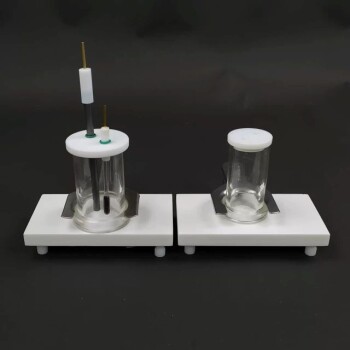
The Three-Electrode System
A laboratory electrochemical workstation typically utilizes a three-electrode system to conduct these evaluations. This setup ensures precision by isolating the coating's response from other experimental variables, monitoring potential and current changes in real-time.
Key Diagnostic Methods
Potentiodynamic Polarization Curves
This test is critical for determining the thermodynamic tendency of a material to corrode. By sweeping the voltage, the instrument measures the self-corrosion potential and corrosion current density. These metrics are the baseline for understanding how quickly a coating might degrade under stress.
Electrochemical Impedance Spectroscopy (EIS)
EIS is a sophisticated technique enabled by these instruments to measure the polarization resistance of the coating. High polarization resistance indicates a strong barrier against electron transfer, signaling superior corrosion protection.
Quantifying Performance and Stability
Calculating Corrosion Rates
The raw data collected—specifically current density and potential—are not just abstract numbers. They allow for the precise mathematical calculation of corrosion rates, transforming theoretical observations into actionable lifespan predictions.
Verifying Material Enhancements
For high-entropy alloys, knowing if a coating works is not enough; you must understand why. These instruments quantify the specific role of additives, such as ZrC (Zirconium Carbide). By comparing electrochemical data, researchers can verify exactly how ZrC enhances the electrochemical stability of the coating.
Comparative Analysis
The data provided facilitates objective comparisons between different coating technologies. For example, it provides the physicochemical evidence needed to compare the protective efficiency of Atomic Layer Deposition (ALD) single-layer coatings against Physical Vapor Deposition (PVD) multi-layer coatings.
Understanding the Trade-offs
Simulation vs. Reality
While these instruments are indispensable, it is important to remember they provide data based on simulated environments (like NaCl solutions). While highly accurate for comparative analysis, short-term electrochemical tests may not always perfectly predict long-term degradation in complex, fluctuating natural environments.
Data Interpretation Complexity
The output from a potentiostat is precise, but the data—particularly from EIS—requires rigorous interpretation. Misinterpreting the impedance loops or polarization curves can lead to incorrect conclusions regarding the specific corrosion mechanisms at play.
Making the Right Choice for Your Goal
To maximize the value of your electrochemical testing, align your method with your specific objective:
- If your primary focus is determining lifespan: Prioritize potentiodynamic polarization tests to derive current density, which is directly proportional to the corrosion rate.
- If your primary focus is understanding coating integrity: Rely on EIS to measure polarization resistance, which helps identify pore resistance and barrier effectiveness.
- If your primary focus is material optimization: Use these tools to perform comparative studies (e.g., with and without ZrC) to isolate the exact contribution of specific elements to stability.
Ultimately, these instruments bridge the gap between theoretical material science and verified, real-world application.
Summary Table:
| Diagnostic Method | Key Parameters Measured | Primary Benefit |
|---|---|---|
| Potentiodynamic Polarization | Corrosion Potential & Current Density | Calculates precise corrosion rates and thermodynamic stability. |
| Electrochemical Impedance (EIS) | Polarization & Pore Resistance | Evaluates coating integrity and electron transfer barrier efficiency. |
| Three-Electrode System | Potential & Current Fluctuations | Isolates coating response for high-precision real-time monitoring. |
Elevate Your Corrosion Research with KINTEK Precision
To accurately quantify the lifespan and stability of high-entropy alloy coatings, you need electrochemical workstations that deliver reliable, real-world simulations. KINTEK specializes in advanced laboratory equipment designed for rigorous material science, including high-performance electrolytic cells and electrodes, and specialized heating solutions like CVD, PVD, and muffle furnaces for coating deposition.
Whether you are testing ZrC-enhanced coatings or optimizing battery research, our comprehensive range of high-temperature reactors, milling systems, and cooling solutions provides the precision your lab demands. Contact KINTEK today to discover how our specialized instruments can transform your electrochemical data into actionable material insights.
References
- Long Huang, Guodong Zhang. Effect of ZrC on the Microstructure and Properties of CrMnFeCoNi High-Entropy Alloy Coatings Prepared by a Plasma Transferred Arc Process. DOI: 10.3390/ma16237401
This article is also based on technical information from Kintek Solution Knowledge Base .
Related Products
- Lab Electrochemical Workstation Potentiostat for Laboratory Use
- Electrode Fixture for Electrochemical Experiments
- Glassy Carbon Electrochemical Electrode
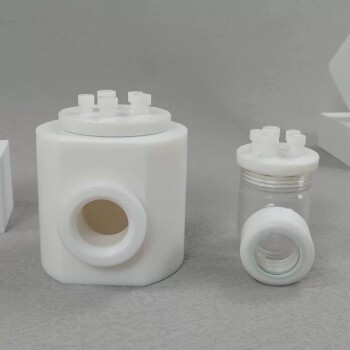
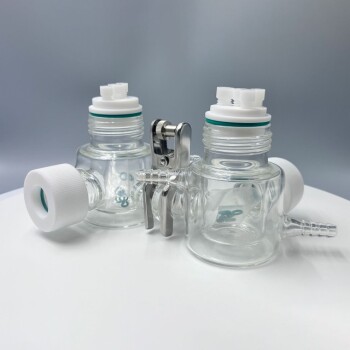
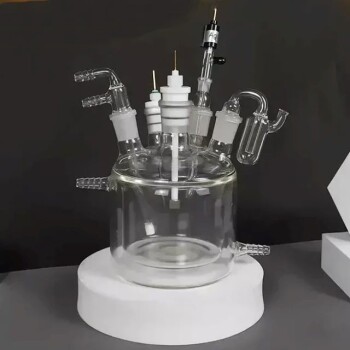
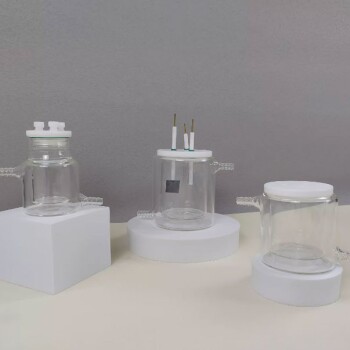
- Electrolytic Electrochemical Cell with Five-Port
- Sample Support Body for Electrochemical Tests
People Also Ask
- How does an electrochemical workstation assist in assessing corrosion resistance? Quantify Laser-Remelted Steel Performance
- How does an electrochemical testing system evaluate mesoporous oxide electrodes? Precision Analysis for Battery Research
- What are the primary functions of an electrochemical workstation (Potentiostat)? Expert Titanium Alloy Corrosion Analysis
- What is the primary function of a high-precision electrochemical workstation? Optimize Your Reactor Performance
- What role do electrochemical workstations play in researching the corrosion resistance of carbon coatings? Expert Guide