An electrochemical workstation serves as the critical quantitative interface for validating the performance of Titanium Oxynitride (TiNO) coatings. It functions by creating a controlled three-electrode system to simulate biological environments, measuring open-circuit potential and polarization curves to precisely calculate the corrosion current density and the ultimate protection efficiency ($P_e$) of the coating.
By measuring the electrical response of the coating to simulated biological fluids, the workstation translates complex chemical interactions into objective data. This allows for a mathematical calculation of protection efficiency, enabling engineers to verify exactly how well a specific layer structure shields the stainless steel substrate.
Quantifying Protection Through Electrical Measurement
Creating a Controlled Simulation
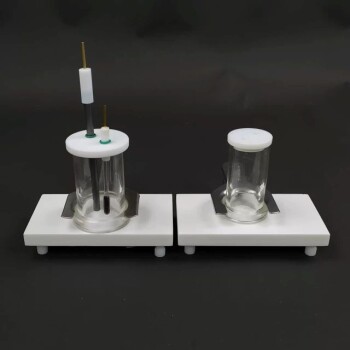
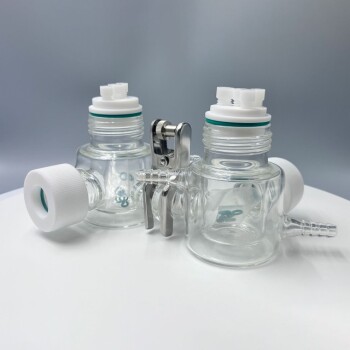
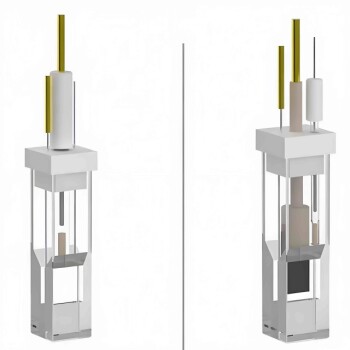
To evaluate biological corrosion, the workstation (often a high-precision potentiostat) employs a three-electrode system.
This setup immerses the coated sample in a simulated corrosive environment, such as a sodium chloride solution or artificial body fluid.
This allows the instrument to monitor the electrochemical behavior of the TiNO coating in real-time, simulating the conditions the implant would face inside the human body.
Measuring Key Parameters
The primary function of the workstation is to capture fundamental data points, specifically open-circuit potential (OCP) and polarization curves.
OCP establishes the baseline electrical potential of the coating when no external current is applied, indicating its thermodynamic tendency to corrode.
Polarization curves are generated by applying a range of voltages and measuring the resulting current, revealing how the coating resists electron flow under stress.
Utilizing Electrochemical Impedance Spectroscopy (EIS)
Beyond basic polarization, advanced workstations utilize Electrochemical Impedance Spectroscopy (EIS).
This technique applies a small AC signal to measure the impedance (resistance to alternating current) over a range of frequencies.
EIS helps distinguish between the resistance of the coating itself and the resistance of the interface between the coating and the solution.
Deriving the Protection Efficiency ($P_e$)
Calculating Corrosion Current Density
The raw data from polarization curves allow for the calculation of polarization resistance.
From this resistance value, the workstation software derives the corrosion current density ($I_{corr}$).
This metric is vital because it represents the actual rate at which the material is corroding; a lower current density indicates a more stable, protective coating.
The Final Efficiency Metric
Using the corrosion current density of the bare substrate versus the coated sample, the workstation calculates the protection efficiency ($P_e$).
This acts as a definitive percentage score, quantifying exactly how much the TiNO coating reduces the corrosion rate compared to unprotected stainless steel.
Comparing Layer Structures
Single vs. Double Layers
The workstation provides the objective physicochemical data necessary to compare different structural designs.
It can reveal whether a double-layer structure offers statistically significant improvements in resistance compared to a single-layer design.
Evaluating Deposition Techniques
Different manufacturing methods, such as Atomic Layer Deposition (ALD) or Physical Vapor Deposition (PVD), produce coatings with different densities and adhesion qualities.
The workstation facilitates a direct comparison between these methods by quantifying their respective polarization resistances under identical conditions.
Understanding the Limitations
Simulation vs. Reality
While the workstation accurately simulates chemical environments, it typically uses simplified solutions like sodium chloride.
These solutions may not capture the full biological complexity of proteins and enzymes found in the human body, which can influence corrosion mechanisms differently.
Short-Term vs. Long-Term Data
Standard polarization tests provide a snapshot of corrosion resistance at a specific point in time.
They do not inherently predict long-term degradation or mechanical wear (tribocorrosion) unless specific long-duration protocols are designed.
Making the Right Choice for Your Goal
To effectively utilize an electrochemical workstation for TiNO evaluation, focus on the metric that aligns with your specific engineering objective.
- If your primary focus is comparing coating lifespan: Prioritize corrosion current density ($I_{corr}$) data, as this is the most direct indicator of the rate of material loss over time.
- If your primary focus is structural optimization (ALD vs. PVD): Look at protection efficiency ($P_e$) to determine which deposition technique provides the highest percentage of improvement over the bare substrate.
The electrochemical workstation transforms corrosion resistance from a theoretical estimate into a precise, calculated value, providing the evidence needed to validate biomedical coating designs.
Summary Table:
| Metric | Function in TiNO Evaluation | Key Benefit |
|---|---|---|
| Open-Circuit Potential (OCP) | Measures thermodynamic stability | Indicates initial corrosion tendency |
| Polarization Curves | Calculates corrosion current density ($I_{corr}$) | Determines the actual rate of material loss |
| EIS Analysis | Measures frequency-dependent impedance | Distinguishes coating vs. interface resistance |
| Protection Efficiency ($P_e$) | Comparative percentage score | Quantifies improvement over bare substrate |
Elevate Your Biomedical Research with KINTEK Precision
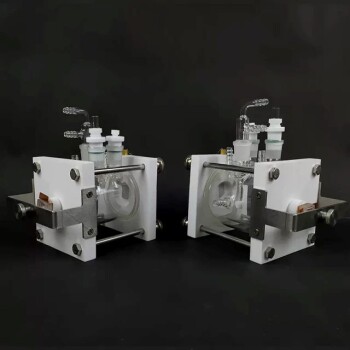
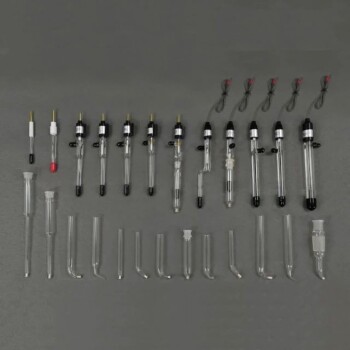
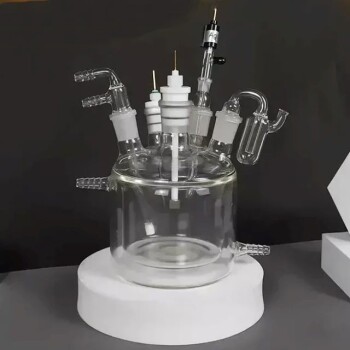
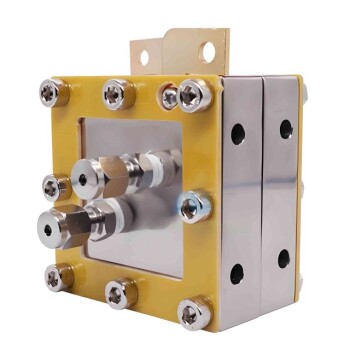
Ensure your TiNO coatings meet the highest standards of biological protection. KINTEK specializes in advanced laboratory equipment and consumables, providing the high-precision electrochemical workstations, electrolytic cells, and electrodes essential for accurate corrosion analysis. From developing resilient implants to optimizing ALD/PVD deposition, our team is ready to equip your lab with the tools needed for scientific excellence.
Ready to quantify your coating performance? Contact us today to find the perfect solution!
References
- Iulian Pană, M. Braic. In Vitro Corrosion of Titanium Nitride and Oxynitride-Based Biocompatible Coatings Deposited on Stainless Steel. DOI: 10.3390/coatings10080710
This article is also based on technical information from Kintek Solution Knowledge Base .
Related Products
- Lab Electrochemical Workstation Potentiostat for Laboratory Use
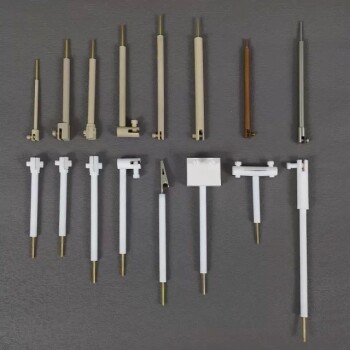
- Electrode Fixture for Electrochemical Experiments
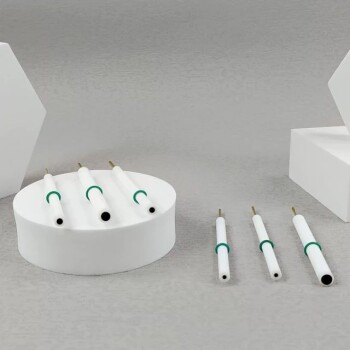
- Glassy Carbon Electrochemical Electrode
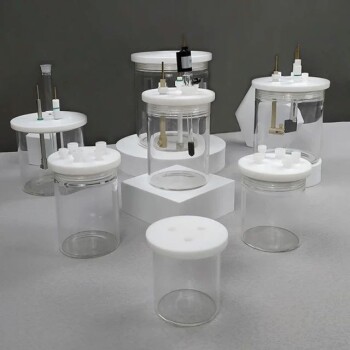
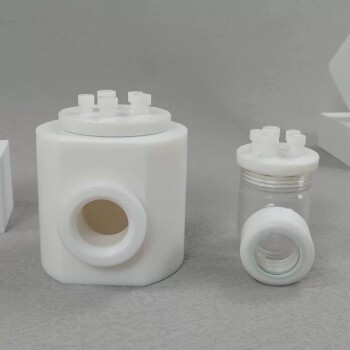
- Electrolytic Electrochemical Cell with Five-Port
- Sample Support Body for Electrochemical Tests
People Also Ask
- How does an electrochemical workstation assist in assessing corrosion resistance? Quantify Laser-Remelted Steel Performance
- How does an electrochemical testing system evaluate mesoporous oxide electrodes? Precision Analysis for Battery Research
- What are the primary functions of an electrochemical workstation (Potentiostat)? Expert Titanium Alloy Corrosion Analysis
- What is the primary function of a high-precision electrochemical workstation? Optimize Your Reactor Performance
- What role do electrochemical workstations play in researching the corrosion resistance of carbon coatings? Expert Guide