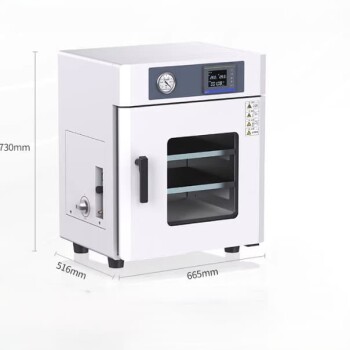
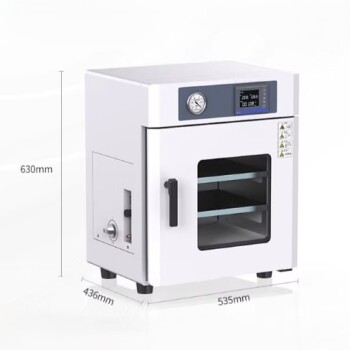
Laboratory ovens and solvent cleaning steps are essential for physically clearing catalyst pores and chemically restoring active sites during the regeneration process. Solvent washing removes accumulated organic byproducts that block catalyst pores, while thermal treatment in laboratory ovens dries and re-calcinates the material to reset its chemical coordination. This dual approach ensures the NbOx-SiO2 catalyst retains stable performance across multiple reuse cycles.
Core Takeaway Regeneration is a critical two-phase process: physical cleaning via solvents to remove heavy organic blockages, followed by thermal restoration to reset the catalyst's surface chemistry. Neglecting either step compromises the catalyst's longevity and efficiency.
The Mechanics of Catalyst Regeneration
Clearing the Physical Blockages
The primary role of solvent cleaning is to address the physical degradation of the catalyst. Over time, residual organic matter and heavy byproducts accumulate within the catalyst's porous structure.
Using agents like methanol, this washing step effectively dissolves and flushes out these adsorbed contaminants. This process frees up the pore volume, ensuring reactants can once again access the internal surface area of the material.
Restoring Chemical Activity
Once the physical pores are clear, the catalyst requires thermal treatment to regain its chemical reactivity. This is where the laboratory oven plays a pivotal role.
The process involves drying the solvent-washed catalyst followed by re-calcination. This thermal step is not merely about removing moisture; it fundamentally restores the coordination state of the surface active sites. This returns the niobium oxide (NbOx) species to their active form, ready for the next reaction cycle.
The Impact on Performance Stability
Ensuring Long-Term Reusability
The combination of solvent washing and thermal treatment is the key to extending the lifecycle of NbOx-SiO2 catalysts.
Without this regeneration protocol, the accumulation of byproducts would rapidly degrade catalytic activity. By systematically removing these impurities and resetting the active sites, the catalyst maintains stable catalytic performance over multiple usage cycles, making the process more sustainable and cost-effective.
Critical Considerations and Trade-offs
The Importance of Sequencing
Effective regeneration relies on a strict order of operations. Thermal treatment alone cannot remove heavy organic byproducts effectively; they must be washed away first.
Attempting to calcine a catalyst without prior solvent washing may lead to the carbonization of organic residues within the pores. This creates permanent blockages that thermal treatment cannot resolve, irreversibly reducing the catalyst's efficiency.
Optimizing Your Regeneration Protocol
To maximize the lifespan and efficiency of your NbOx-SiO2 catalysts, you must view regeneration as a holistic process.
- If your primary focus is restoring pore access: Prioritize thorough solvent washing with methanol to ensure all heavy organic byproducts and adsorbates are fully removed.
- If your primary focus is regaining chemical reactivity: Ensure precise thermal control during drying and re-calcination to accurately restore the coordination state of the surface active sites.
Systematic regeneration turns a consumable resource into a durable asset.
Summary Table:
| Regeneration Phase | Method | Primary Function | Key Benefit |
|---|---|---|---|
| Physical Cleaning | Solvent Washing (Methanol) | Dissolves & removes heavy organic byproducts | Restores pore access and internal surface area |
| Chemical Restoration | Laboratory Oven Treatment | Drying and Re-calcination | Resets coordination state of active sites (NbOx) |
| Performance Goal | Integrated Protocol | Systematic impurity removal | Ensures stable catalytic activity over multiple cycles |
Optimize Your Catalyst Lifecycle with KINTEK
Maximize the longevity and performance of your NbOx-SiO2 catalysts with precision-engineered equipment from KINTEK. Whether you require high-performance laboratory ovens and muffle furnaces for critical re-calcination steps or advanced crushing and milling systems for material preparation, our comprehensive portfolio is designed to meet the rigorous demands of battery research and chemical catalysis.
From high-temperature furnaces and vacuum systems to essential PTFE products and ceramics, KINTEK provides the tools researchers and industrial professionals trust for sustainable, cost-effective laboratory workflows.
Ready to enhance your lab's efficiency? Contact our technical experts today to find the perfect equipment solution for your regeneration protocols.
References
- Nicola Scotti, Matteo Guidotti. Epoxidation of Karanja (Millettia pinnata) Oil Methyl Esters in the Presence of Hydrogen Peroxide over a Simple Niobium-Containing Catalyst. DOI: 10.3390/catal9040344
This article is also based on technical information from Kintek Solution Knowledge Base .
Related Products
- Laboratory Scientific Electric Heating Blast Drying Oven
- 56L Vertical Laboratory Vacuum Drying Oven
- 23L Laboratory Vacuum Drying Oven
- 1200℃ Muffle Furnace Oven for Laboratory
- 1700℃ Muffle Oven Furnace for Laboratory
People Also Ask
- How does a laboratory electric drying oven contribute to the formation of the initial coating? Expert Insights
- What role does a precision laboratory drying oven play in the synthesis of GO-PANI nanocomposites? Protect Material Integrity
- What role does a laboratory drying oven play in the preparation of zinc oxide nanoparticle precursors?
- What is the necessity of using a laboratory drying oven when processing MoO3/GO composite nanopowders? Find out here.
- What is the role of a laboratory drying oven in cellulose citrate production? Ensure Material Stability & Purity