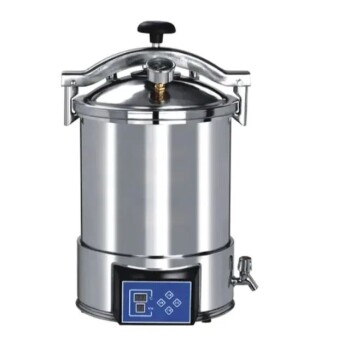
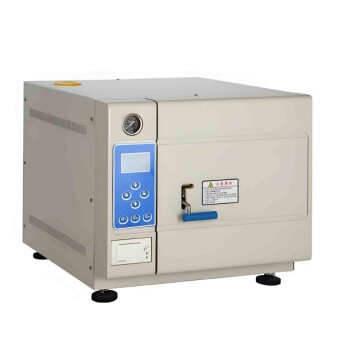
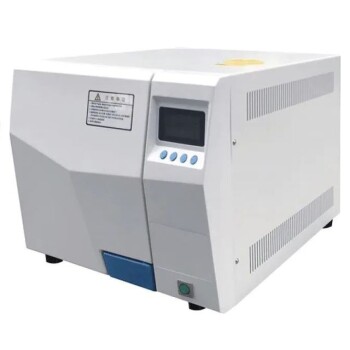
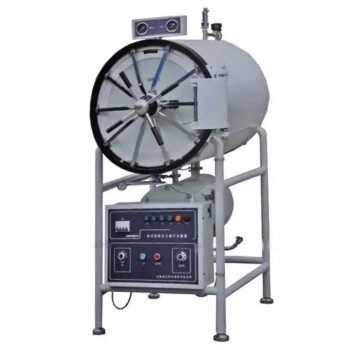
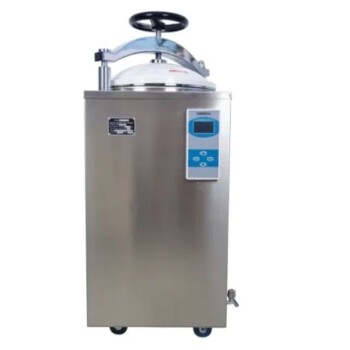
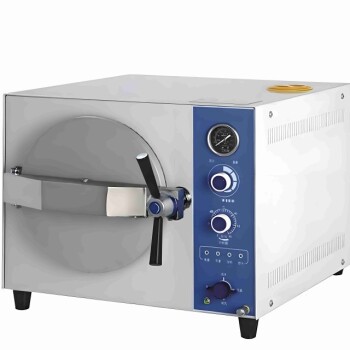
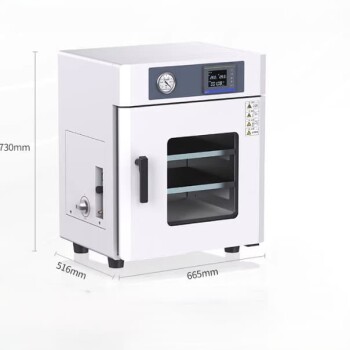
Autoclaves are utilized in hydrothermal and solvothermal synthesis because they create a closed, high-temperature, and high-pressure environment that fundamentally alters the behavior of solvents. By exceeding the atmospheric boiling point, these vessels significantly enhance the reactivity of solvents like water or ethanol, facilitating the hydrolysis and polycondensation of precursors needed to form the shell.
Core Takeaway: The extreme conditions within an autoclave ensure the formation of dense, continuous, and mechanically strong protective shells. This process is critical for preventing leakage and extending the thermal cycle life of the encapsulated phase change material.
Creating the Ideal Reaction Conditions
Exceeding Atmospheric Limits
Standard synthesis methods are limited by the boiling point of the solvent. A high-pressure hydrothermal reactor overcomes this by sealing the environment, allowing temperatures and pressures to rise significantly above atmospheric norms.
Enhancing Reactivity and Solubility
Under these elevated conditions, the solubility and activity of reactants increase dramatically. This transforms standard solvents into highly reactive mediums, enabling chemical interactions that would be slow or impossible in an open vessel.
Optimizing the Core-Shell Structure
Facilitating Shell Formation
The primary goal in this synthesis is coating the core material. The autoclave environment specifically facilitates the hydrolysis and polycondensation of shell precursors, such as silica or titanium dioxide.
Controlling Morphology
The pressurized environment allows for precise control over the phase composition and dispersibility of the final product. This results in a product with a controlled morphology, ensuring the shell is uniform rather than irregular.
Achieving Dense Coverage
Unlike open-air methods which might produce porous or patchy coatings, autoclaves promote the formation of dense, continuous shells. This structural integrity is vital for containing the liquid phase of the core material during use.
Ensuring Long-Term Reliability
Mechanical Strength
The shells formed under hydrothermal or solvothermal conditions exhibit superior mechanical strength. This provides a robust physical barrier that protects the sensitive core material from external physical stress.
Extending Thermal Cycle Life
Phase change materials undergo repeated melting and freezing. The dense, strong shell created in the autoclave is specifically designed to enhance the thermal cycle life of the material, preventing breakdown over time.
Understanding the Trade-offs
Process Intensity
This method requires specialized equipment capable of withstanding high pressure. It is a more energy-intensive and equipment-dependent process than simple precipitation methods used at room temperature.
Sensitivity to Conditions
While the autoclave allows for control, the outcome is highly sensitive to the specific temperature and pressure parameters. Incorrect settings can alter the phase composition, potentially degrading the performance of the material rather than enhancing it.
Making the Right Choice for Your Project
To determine if autoclave synthesis is the correct approach for your phase change material, consider your specific performance requirements:
- If your primary focus is longevity: The autoclave is essential for creating a dense, continuous shell that maximizes thermal cycle life.
- If your primary focus is structural integrity: Use this method to ensure the mechanical strength required to prevent leakage during phase transitions.
- If your primary focus is reaction efficiency: The high-pressure environment is necessary to increase reactant solubility and drive the hydrolysis of difficult precursors.
By leveraging the high-energy environment of an autoclave, you transform fragile precursors into a robust, industrial-grade composite material.
Summary Table:
| Feature | Autoclave Synthesis Benefits |
|---|---|
| Environment | High-temperature & high-pressure (exceeding boiling points) |
| Reaction Drive | Enhanced hydrolysis and polycondensation of precursors |
| Shell Quality | Dense, continuous, and mechanically strong coating |
| PCM Performance | Zero leakage during phase transitions and extended thermal life |
| Product Morphology | Precise control over phase composition and dispersibility |
Elevate Your Material Research with KINTEK Precision
Are you struggling with shell porosity or core leakage in your phase change material synthesis? KINTEK specializes in advanced laboratory solutions designed for high-performance chemistry. Our premium range of high-temperature high-pressure reactors and autoclaves provides the precise thermal and pressure control necessary to synthesize dense, industrial-grade core-shell structures.
From hydrothermal reactors to PTFE-lined consumables and cooling solutions, KINTEK delivers the structural integrity and mechanical strength your research demands.
Ready to optimize your thermal cycle life? Contact our technical experts today to find the perfect equipment for your laboratory needs.
References
- Aikaterini Feizatidou, Ioannis Α. Kartsonakis. Green Synthesis of Core/Shell Phase Change Materials: Applications in Industry and Energy Sectors. DOI: 10.3390/en18082127
This article is also based on technical information from Kintek Solution Knowledge Base .
Related Products
- Portable High Pressure Laboratory Autoclave Steam Sterilizer for Lab Use
- Portable Digital Display Automatic Laboratory Sterilizer Lab Autoclave for Sterilization Pressure
- Desktop Fast High Pressure Laboratory Autoclave Sterilizer 16L 24L for Lab Use
- Desktop Fast Laboratory Autoclave Sterilizer 35L 50L 90L for Lab Use
- Desktop Fast Laboratory Autoclave Sterilizer 20L 24L for Lab Use
People Also Ask
- Why is a laboratory high-pressure autoclave sterilizer necessary? Ensure Accuracy in Antibacterial Research
- What is the role of a laboratory high-pressure autoclave in the conversion of furfural to piperidine? Optimize Yields
- What are the two types of autoclave used in the laboratory? Gravity vs. Pre-Vacuum Explained
- What precautions should be taken during autoclave in laboratory? A Complete Safety Guide to Prevent Burns and Explosions
- What extreme conditions does a laboratory autoclave simulate? Testing Wear Resistance of Nuclear Fuel Cladding