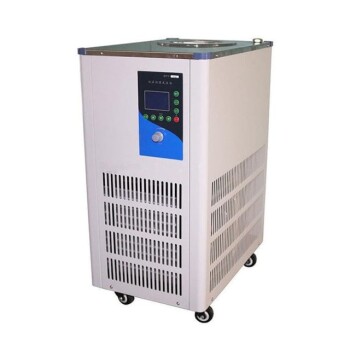
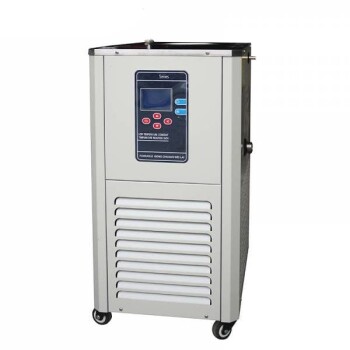
Cooling systems are a critical requirement for expansion vessels within hydrothermal reaction setups. Their primary function is to trigger the rapid condensation of steam immediately following the expansion of materials. This sudden temperature drop is the fundamental mechanism that allows for the efficient separation of solid materials and hydrolysates, while simultaneously protecting the chemical integrity of the product.
Core Insight: In hydrothermal processing, the expansion phase is not just about pressure release; it is a thermal management challenge. Without active cooling to force condensation, steam handling becomes inefficient and prolonged heat exposure will degrade the very products you are trying to recover.
The Mechanics of Recovery and Separation
The expansion vessel serves as the bridge between high-pressure reactions and atmospheric recovery. Cooling is the active force that makes this transition efficient.
Accelerating Phase Change
When pressurized material enters the expansion vessel, it naturally releases steam. Rapid condensation of this steam is required to stabilize the system.
A dedicated cooling system extracts heat quickly, forcing the steam back into a liquid state or reducing its volume significantly. This prevents the vessel from becoming overwhelmed by vapor pressure.
Optimizing Material Recovery
The physical separation of valuable components relies on this phase change.
By condensing the steam, the system can more easily differentiate between the liquid hydrolysates and the remaining solid materials. This clear separation is essential for maximizing the yield of the recovery process.
Preserving Product Integrity
Beyond simple physical separation, cooling systems play a vital role in chemical preservation.
Halting Chemical Breakdown
Hydrothermal reactions occur at high temperatures, but prolonged exposure to this heat after the reaction is finished is detrimental.
Cooling prevents excessive thermal degradation. By rapidly lowering the temperature, the system "locks in" the quality of the product components, preventing them from breaking down into unwanted byproducts.
Enabling Downstream Biology
Many hydrothermal processes are precursors to biological steps, such as digestion in laboratory units.
The cooling system prepares the material for anaerobic fermentation. Biological agents cannot survive the high temperatures of the reaction phase; therefore, cooling is the necessary bridge that makes the material safe for biological processing.
The Risks of Thermal Inertia
While cooling adds complexity to the expansion vessel design, the alternative—relying on passive cooling—presents significant operational risks.
Loss of Product Quality
Without an active cooling system, the "thermal inertia" (retained heat) of the material remains high for too long.
This extended heat exposure leads to the degradation of sensitive compounds. You risk losing the specific characteristics of the product that the reaction was designed to create.
Process Bottlenecks
Inefficient condensation leads to poor separation.
If steam is not condensed rapidly, it complicates the recovery of hydrolysates. This creates a bottleneck that slows down the entire workflow and reduces the efficiency of the solid-liquid separation.
Making the Right Choice for Your Goal
The implementation of cooling systems should be driven by your specific end-game requirements.
- If your primary focus is Maximizing Yield: Ensure your cooling capacity is sufficient to induce rapid condensation, as this is the key to efficient physical separation of solids and liquids.
- If your primary focus is Bio-Processing (Fermentation): Prioritize precise temperature control to ensure the output material is cooled sufficiently to protect the biological agents in your digestion units.
Ultimately, the cooling system is not just an accessory; it is the safeguard that transforms a raw chemical reaction into a viable, high-quality product.
Summary Table:
| Feature | Role of Cooling in Expansion Vessels | Benefit to Hydrothermal Process |
|---|---|---|
| Phase Change | Forces rapid condensation of steam | Prevents vapor pressure build-up and stabilizes the vessel |
| Material Separation | Differentiates solid materials from hydrolysates | Maximizes yield through efficient solid-liquid separation |
| Chemical Stability | Halts thermal breakdown of sensitive compounds | Preserves product quality and prevents unwanted byproducts |
| Biological Readiness | Lowers temperature for anaerobic fermentation | Ensures material is safe for downstream biological processing |
Elevate Your Hydrothermal Research with KINTEK Precision
Don't let thermal inertia compromise your experimental yields. KINTEK specializes in advanced laboratory solutions, offering a comprehensive range of high-temperature high-pressure reactors and autoclaves designed for seamless integration with high-efficiency cooling systems.
Whether you are focusing on maximizing hydrolysate recovery or preparing materials for anaerobic digestion, our expert team provides the specialized equipment—from cooling solutions and cold traps to PTFE products and ceramics—necessary to safeguard your product integrity.
Ready to optimize your separation process and protect your chemical products? Contact us today to find the perfect system for your lab!
References
- Lukáš Krátký, Jiří Nalezenec. Lab-scale Technology for Biogas Production from Lignocellulose Wastes. DOI: 10.14311/1552
This article is also based on technical information from Kintek Solution Knowledge Base .
Related Products
- Customizable Laboratory High Temperature High Pressure Reactors for Diverse Scientific Applications
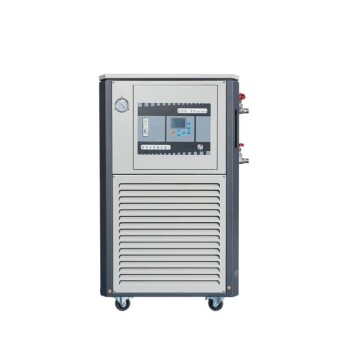
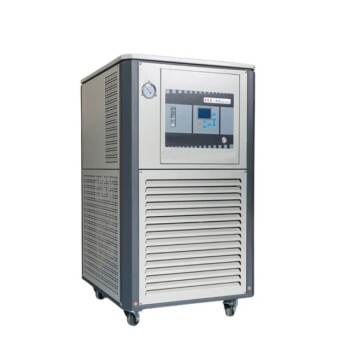
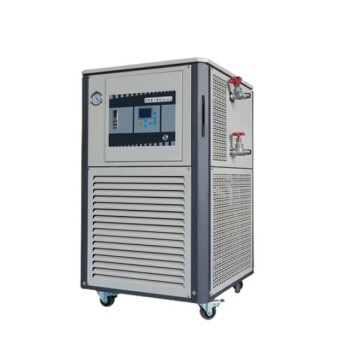
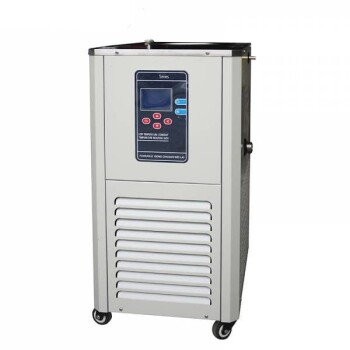
- 80L Chilling Circulator Cooling Water Circulator for Water Bath Cooling and Low Temperature Constant Temperature Reaction Bath
- Customizable High Pressure Reactors for Advanced Scientific and Industrial Applications
- 10L Heating Chilling Circulator Cooling Water Bath Circulator for High and Low Temperature Constant Temperature Reaction
- Customer Made Versatile CVD Tube Furnace Chemical Vapor Deposition Chamber System Equipment
People Also Ask
- How do high-pressure and high-temperature reactors ensure the effective treatment of lignocellulosic wastewater in WAO?
- What equipment is required for high-pressure high-temperature reactions? Master Extreme Chemistry Safely
- How do you control high pressure in a reactor? A Guide to Safe & Stable Operation
- How does initial oxygen pressure affect the wet oxidation of pharmaceutical sludge? Master Your Oxidation Depth
- Why is argon better than nitrogen for inert atmosphere? Ensure Absolute Reactivity & Stability