To successfully analyze cured alkyd resin via HRMAS NMR, you must use a cryogenic grinder. These resins possess high toughness and cross-linking density that resist standard grinding methods. The ultra-low temperature environment embrittles the sample for pulverization while preventing mechanical heat from destroying critical chemical cross-linking nodes.
Cured alkyd resins require an ultra-low temperature environment to be processed effectively. Cryogenic grinding ensures the material is brittle enough to powderize while simultaneously protecting the chemical structure from thermal degradation caused by friction.
Overcoming Physical Barriers
Cured alkyd resins are engineered for durability. To analyze them, you must first overcome their inherent physical resistance.
The Challenge of High Toughness
Cured alkyd resins are characterized by high toughness and cross-linking density.
Because of this robust structure, standard grinding methods are often ineffective. They struggle to refine the material sufficiently for sensitive analytical equipment.
The Mechanism of Embrittlement
A cryogenic grinder utilizes an ultra-low temperature environment to alter the physical state of the resin.
This extreme cold causes the tough resin to become brittle. Once embrittled, the machine uses high-energy impact to shatter the material into an extremely fine powder.
Ensuring Successful Rotor Loading
For HRMAS NMR analysis, the physical consistency of the sample is paramount.
The pulverization provided by cryogenic grinding ensures the powder is fine enough to be successfully loaded into NMR rotors. Without this level of refinement, the sample cannot be properly prepared for the instrument.
Preserving Chemical Integrity
Beyond simple pulverization, the method of grinding dictates the quality of your spectroscopic data.
Mitigating Mechanical Heat
Traditional grinding generates significant friction, which translates into mechanical heat.
In complex polymers, this heat can inadvertently alter the chemical makeup of the sample before analysis even begins.
Protecting Cross-Linking Nodes
The primary scientific risk during preparation is the destruction of chemical cross-linking nodes.
These nodes are sensitive to the heat generated by standard mechanical impact. The low-temperature environment of the cryogenic grinder acts as a thermal shield, preserving these nodes. This ensures that the spectroscopic data you collect is accurate and truly representative of the cured resin's structure.
The Risks of Standard Methods
It is important to understand why alternative, non-cryogenic methods typically fail for this specific application.
Data Inaccuracy
If you attempt to grind these resins at room temperature, you risk thermal degradation.
While you might manage to produce a powder, the heat generated may destroy the very cross-linking structures you intend to measure. This leads to spectroscopic data that is technically "readable" but chemically inaccurate.
Incomplete Pulverization
Without the embrittlement provided by the ultra-low temperatures, the resin remains too tough to fracture cleanly.
This results in a coarse or uneven sample that is difficult or impossible to load into the NMR rotors, rendering the sample useless for HRMAS analysis.
Ensuring Data Accuracy for Your Analysis
The use of a cryogenic grinder is not just a procedural step; it is a prerequisite for valid data.
- If your primary focus is Physical Preparation: You need cryogenic temperatures to embrittle the tough resin so it can be pulverized fine enough to fit into the NMR rotor.
- If your primary focus is Chemical Fidelity: You must use the low-temperature environment to prevent mechanical heat from destroying the cross-linking nodes, ensuring your spectral data is accurate.
By controlling both the physical state and thermal environment of your sample, you ensure the integrity of your final analysis.
Summary Table:
| Feature | Standard Grinding | Cryogenic Grinding |
|---|---|---|
| Material State | Remains tough/ductile | Becomes brittle for easy fracturing |
| Thermal Management | Generates friction-based heat | Maintains ultra-low temperatures |
| Chemical Integrity | Risks destroying cross-linking nodes | Preserves molecular structure |
| Sample Fineness | Coarse/Uneven; hard to load | Fine powder; ideal for NMR rotors |
| Data Reliability | Risk of thermal degradation/inaccuracy | High fidelity and accurate results |
Elevate Your Analytical Precision with KINTEK
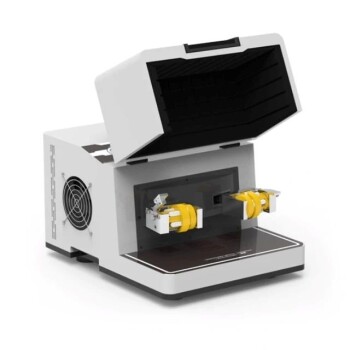
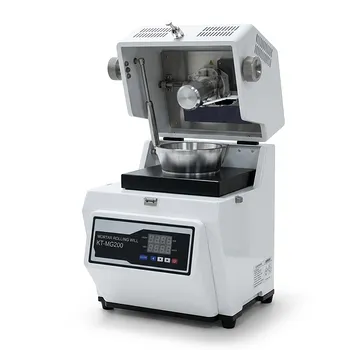
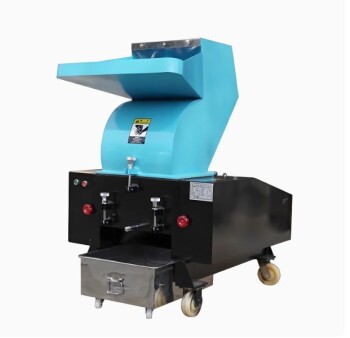
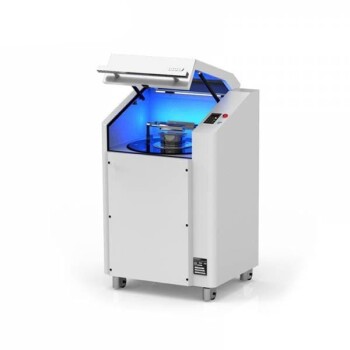
Precision in HRMAS NMR begins long before the analysis. At KINTEK, we understand that for complex polymers like cured alkyd resins, sample preparation is the foundation of scientific truth. Our advanced crushing and milling systems, including high-performance cryogenic grinders, are engineered to protect your samples from thermal degradation while achieving the perfect fineness for NMR rotor loading.
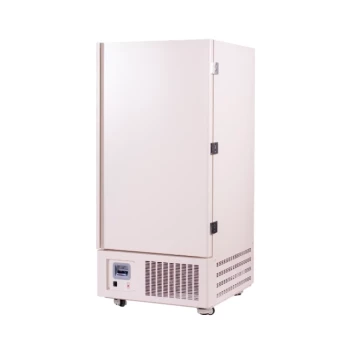
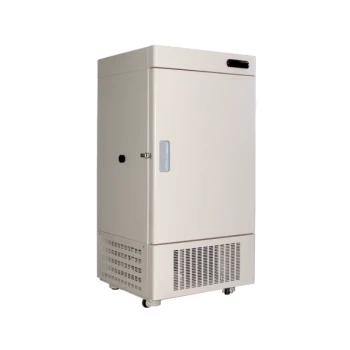
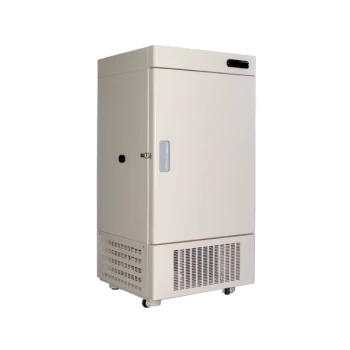
From high-temperature furnaces and hydraulic presses to specialized battery research tools and cooling solutions like ULT freezers, KINTEK provides laboratories with the comprehensive tools needed for cutting-edge material science. Don't let mechanical heat compromise your cross-linking data.
Ready to optimize your sample preparation? Contact our laboratory specialists today to discover how our tailored solutions can enhance your research outcomes.
References
- Maxinne Denis, Claire Négrell. Triple Benefits of Cardanol as Chain Stopper, Flame Retardant and Reactive Diluent for Greener Alkyd Coating. DOI: 10.3390/org4010009
This article is also based on technical information from Kintek Solution Knowledge Base .
Related Products
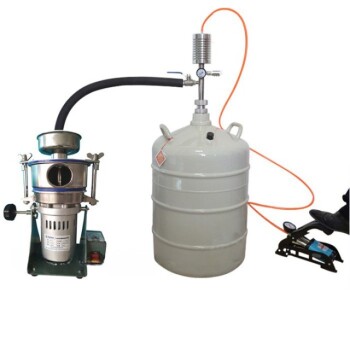
- lab cryogenic grinding use liquid-nitrogen for pulverizing plastic raw materials and heat sensitive materials
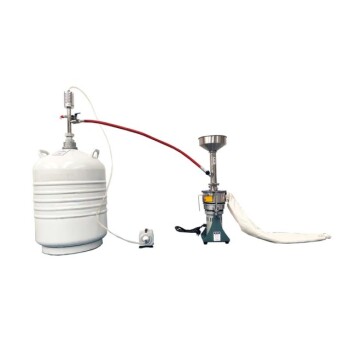
- Small Cryogenic Grinder Cryomill Cryogrinder with Liquid Nitrogen for Laboratory Use
- Liquid Nitrogen Cryogenic Grinder Mill Cryomill Airflow Ultrafine Pulverizer
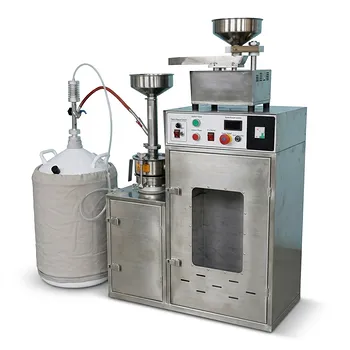
- Liquid Nitrogen Cryogenic Grinder Mill Cryomill with Screw Feeder
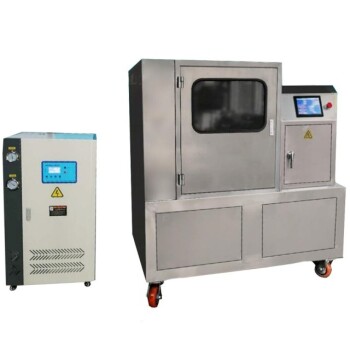
- Low-Temperature Water-Cooled Touchscreen Vibratory Ultrafine Pulverizer
People Also Ask
- What are the advantages of using a cryogenic grinder? Achieve Nanoscale Precision for All-Solid-State Battery Cathodes
- What is the role of a cryogenic grinder in PET recycling? Transform Waste into High-Reactive Micron Powders
- What is cool grinding technology? Unlock Efficient Milling for Heat-Sensitive Materials
- What are cryogenic ground spices? Unlock Maximum Flavor with Advanced Grinding Technology
- What is cryogenic grinding of herbs? Preserve Flavor and Potency with Sub-Zero Milling