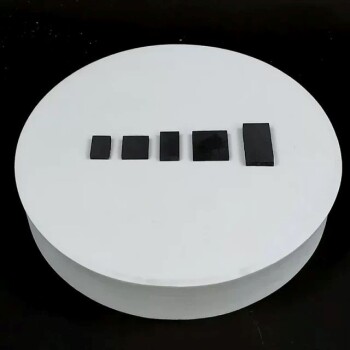
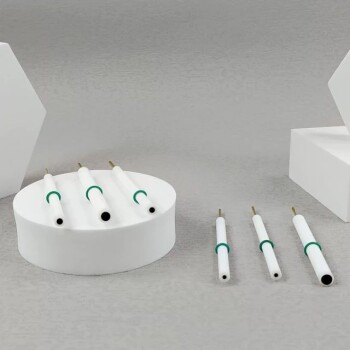
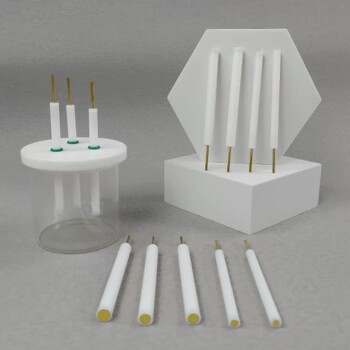
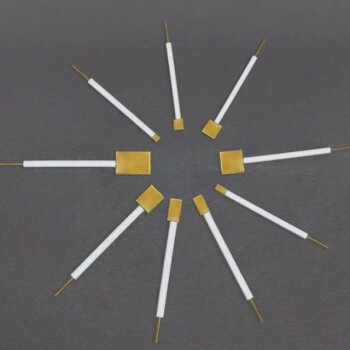
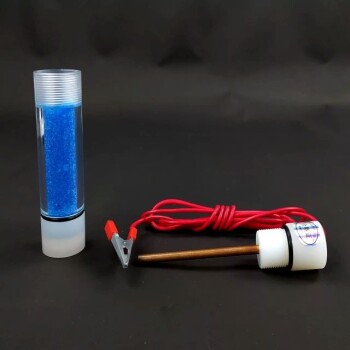
A graphite electrode serves as an effective counter electrode because it combines high electrical conductivity with chemical inertness and cost-efficiency. It acts as the necessary component to complete the electrical circuit with the working electrode, ensuring smooth electron flow without contaminating the reaction solution.
Core Insight: The primary function of a counter electrode is to facilitate current without influencing the chemistry. Graphite is the optimal choice for reduction systems because it remains stable in acidic electrolytes and resists oxidative dissolution, preventing the release of metal ion impurities that could skew your experimental results.
The Fundamental Requirements
To understand why graphite is chosen, one must first understand the strict demands placed on a counter electrode.
Completing the Current Loop
In any electrochemical cell, current must flow in a complete loop. The counter electrode acts as the conduit for charge exchange, balancing the reactions occurring at the working electrode.
Absolute Chemical Inertness
The counter electrode must function solely as a charge carrier. It should not participate in the redox reactions, nor should it degrade under the electrical load. If the electrode dissolves or reacts, it changes the electrolyte composition and invalidates the measurement.
Why Graphite is Specifically Selected
While noble metals like platinum are often used, graphite offers specific advantages that make it a superior choice for many reduction systems.
Stability in Acidic Media
Graphite exhibits remarkable stability in acidic electrolytes. Unlike many metal electrodes that might corrode in low pH environments, graphite maintains its structural integrity during the reaction process.
Prevention of Metallic Contamination
A critical advantage of graphite is its resistance to oxidative dissolution. When using metal counter electrodes, there is a risk that the metal will dissolve, introducing impurity ions into the solution.
Graphite eliminates this risk. By preventing the introduction of metal ion impurities, it ensures that the reaction remains pure and the data collected reflects only the intended electrochemical activity.
Superior Electrical Conductivity
Graphite possesses excellent electrical conductivity. This property allows for efficient electron transfer, ensuring that the current distribution within the cell remains stable and the circuit functions without significant resistance.
Understanding the Trade-offs: Graphite vs. Platinum
While graphite is excellent, it is often compared to platinum (Pt). Understanding the distinction ensures you choose the right material for your specific constraints.
The Platinum Benchmark
Platinum is frequently cited as the standard for counter electrodes due to its extreme chemical inertness. It is often used in highly corrosive environments (such as aggressive chloride solutions) where absolute non-interference is critical for signal reliability.
The Cost-Benefit Ratio
While platinum offers exceptional performance, it is expensive. Graphite provides a high-performance alternative that mimics the necessary conductive and inert properties of platinum—particularly regarding the prevention of metal ion contamination—but at a fraction of the cost.
Making the Right Choice for Your Goal
Selecting the correct counter electrode depends on the sensitivity of your measurement and your budget.
- If your primary focus is preventing metal contamination: Choose graphite, as it resists oxidative dissolution and eliminates the risk of introducing metallic impurities into your electrolyte.
- If your primary focus is extreme chemical stability: Consider platinum, especially if working in highly corrosive or aggressive chloride environments where "exceptional" inertness is required to prevent polarization interference.
Ultimately, graphite is the pragmatic choice for electrochemical reduction, offering the perfect balance of conductivity, purity, and economy.
Summary Table:
| Feature | Graphite Electrode | Platinum Electrode | Benefit to Researcher |
|---|---|---|---|
| Chemical Stability | High in acidic media | Exceptional (Standard) | Prevents electrode degradation |
| Risk of Contamination | Minimal (No metal ions) | Near zero | Ensures reaction purity and data accuracy |
| Conductivity | Excellent | Superior | Maintains stable current distribution |
| Cost-Efficiency | High (Affordable) | Low (Premium price) | Ideal for large-scale or budget-conscious labs |
| Primary Use Case | General reduction systems | Highly corrosive/chloride media | Optimizes performance based on environment |
Elevate Your Electrochemical Precision with KINTEK
Don't let electrode impurities compromise your research integrity. KINTEK specializes in high-performance laboratory solutions, providing the high-quality electrolytic cells and electrodes (including premium graphite and platinum options) required for precise electrochemical reduction.
Beyond our electrode portfolio, we support your entire laboratory workflow with high-temperature furnaces, crushing systems, hydraulic presses, and battery research tools. Whether you are developing next-generation energy storage or conducting fundamental chemical analysis, KINTEK offers the consumables—from PTFE products to ceramic crucibles—that ensure your results are consistent and contamination-free.
Ready to optimize your electrochemical setup? Contact our technical experts today to find the perfect components for your specific application!
References
- Wenqing Ma, Shaohui Zhang. Electrochemical reduction of Cr (VI) using a palladium/graphene modified stainless steel electrode. DOI: 10.2166/wst.2022.348
This article is also based on technical information from Kintek Solution Knowledge Base .
Related Products
- Graphite Disc Rod and Sheet Electrode Electrochemical Graphite Electrode
- Graphite Vacuum Furnace Negative Material Graphitization Furnace
- High Purity Pure Graphite Crucible for Electron Beam Evaporation
- Glassy Carbon Sheet RVC for Electrochemical Experiments
- Glassy Carbon Electrochemical Electrode
People Also Ask
- What is the correct procedure for installing and connecting a graphite electrode during an experiment? Ensure Accurate Electrochemical Results
- What are the potential risks when using a graphite electrode in electrochemical tests? Avoid Decomposition and Contamination
- What are the key precautions for handling graphite electrodes? Ensure Safety & Maximize Performance
- Why are Dimensionally Stable Anodes (DSA) preferred for indium electrowinning? Ensure High-Purity Results.
- What are the standard maintenance procedures for graphite electrodes? A Guide to Reliable Electrochemical Data