A protective interface is mandatory. A hexagonal Boron Nitride (h-BN) layer acts as a critical physical and chemical shield between LATP (Lithium Aluminum Titanium Phosphate) samples and graphite heating elements. Its primary purpose is to preventing direct contact, which stops carbon diffusion and surface contamination while maintaining the thermal conductivity necessary for effective heating.
The h-BN layer resolves a fundamental material incompatibility: it blocks carbon diffusion and prevents the side reactions that ruin LATP samples, all while preserving the thermal pathway required for processing.
The Dangers of Direct Contact
Preventing Carbon Diffusion
Graphite heating elements are carbon-based, and at high temperatures, carbon atoms can migrate.
Without a barrier, carbon diffuses directly into the LATP green body. This alters the chemical composition of the sample and compromises its structural integrity.
Eliminating Surface Contamination
Direct contact with graphite leads to immediate surface degradation of the LATP.
This contamination is not just cosmetic; it creates surface defects that can inhibit the material's performance as a solid electrolyte.
Stopping Undesirable Side Reactions
LATP is chemically reactive with carbon under processing conditions.
The h-BN layer acts as an inert spacer, physically preventing the chemical reduction or reaction that would occur if the LATP touched the graphite.
Why Hexagonal Boron Nitride is the Solution
Efficient Heat Transfer
While isolation is necessary, the sample still requires heat to process correctly.
h-BN is unique because it is thermally conductive. It allows heat to transfer efficiently from the graphite element to the LATP sample without physical interaction.
Electrical Insulation
The primary reference notes that h-BN serves as an electrical insulator.
This property ensures that the sample is electrically isolated from the heating element, preventing any unintended electrical currents from influencing the material during processing.
Operational Considerations
The Necessity of Barrier Integrity
The h-BN coating or liner must be continuous and unbroken.
If the layer is scratched or incomplete, the "critical barrier" is breached. Even small points of direct contact will lead to localized carbon contamination and reaction spots.
Balancing Isolation and Thermal Flow
The layer effectively decouples the chemical environment from the thermal environment.
It allows you to utilize the efficiency of graphite heating without suffering the chemical penalties associated with carbon proximity.
Ensuring Process Integrity
Depending on your specific processing requirements, the role of h-BN serves two distinct functions.
- If your primary focus is Sample Purity: Rely on the h-BN layer to act as a total seal against carbon diffusion and chemical side reactions.
- If your primary focus is Thermal Control: Trust the h-BN interface to bridge the gap, allowing precise heating without thermal lag, despite the physical separation.
The h-BN layer is not merely an accessory; it is the essential enabler that makes processing LATP with graphite components chemically viable.
Summary Table:
| Feature | Function of h-BN Layer | Benefit to LATP Processing |
|---|---|---|
| Chemical Barrier | Prevents carbon diffusion | Maintains LATP chemical purity and integrity |
| Inert Interface | Blocks side reactions | Eliminates surface degradation and defects |
| Thermal Property | High thermal conductivity | Ensures efficient and uniform heat transfer |
| Electrical Property | Electrical insulation | Prevents unintended current interference |
| Physical Separation | Prevents direct contact | Extends the life of graphite heating components |
Maximize Your Material Research with KINTEK Precision Solutions
Don't let carbon contamination compromise your LATP solid electrolyte performance. KINTEK provides high-performance high-temperature furnaces and essential consumables, including high-purity ceramics, crucibles, and PTFE products, designed to maintain the highest process integrity. Whether you are working with CVD/PECVD systems or conducting advanced battery research, our technical experts are ready to help you optimize your laboratory workflow.
Unlock superior results today—Contact KINTEK for a customized solution!
Related Products
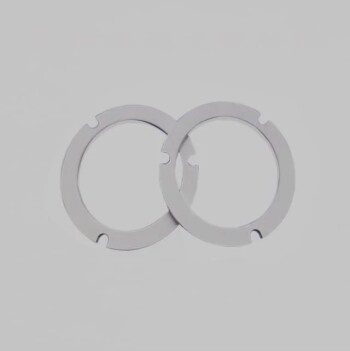
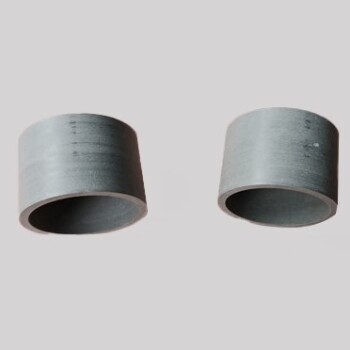
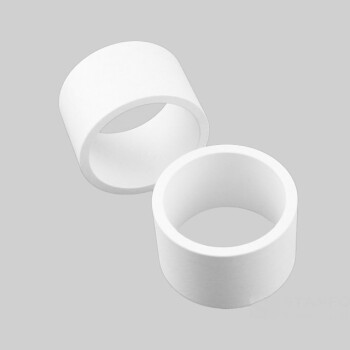
- Hexagonal Boron Nitride HBN Ceramic Ring
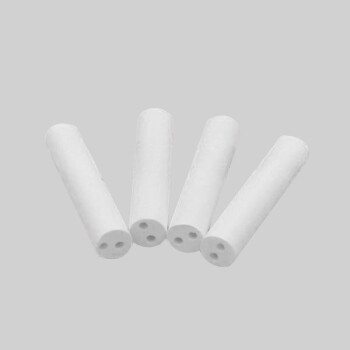
- Hexagonal Boron Nitride HBN Thermocouple Protection Tube
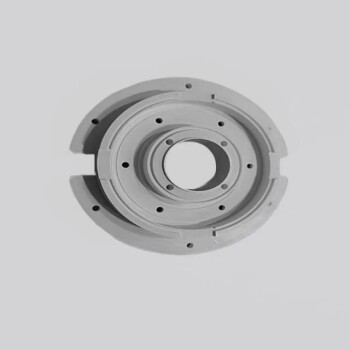
- Hexagonal Boron Nitride HBN Spacer Cam Profile and Various Spacer Types
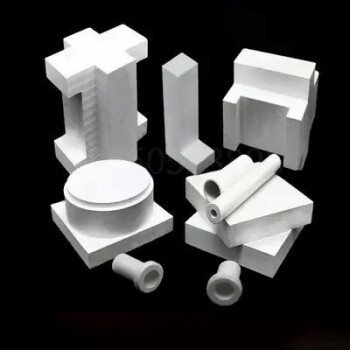
- Advanced Engineering Fine Ceramics Boron Nitride (BN) Ceramic Parts
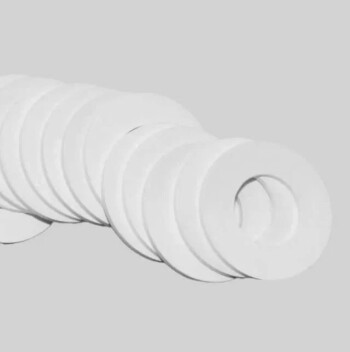
- Boron Nitride (BN) Ceramic Plate
People Also Ask
- What is the necessity of using a ceramic crucible as a carrier during BN synthesis? Ensure High-Purity Results
- Why is Boron Nitride coating used in VHP sintering? Prevent Carbon Diffusion & Ensure Clean Mold Release
- Why are Viton O-rings considered essential consumables for the high-temperature sealing interfaces of microreactors?
- Does ceramic break with heat? The Real Culprit is Thermal Shock
- Is ceramic strong and durable? Unlocking Its Unique Strengths and Limitations