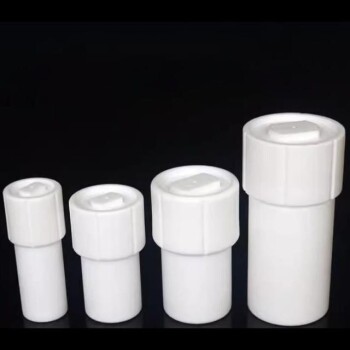
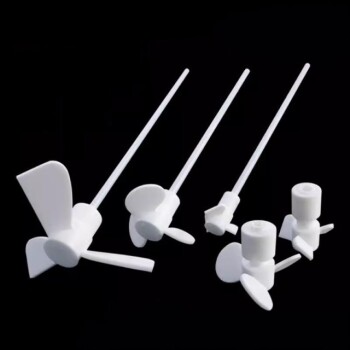
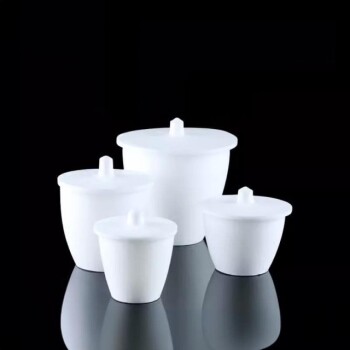
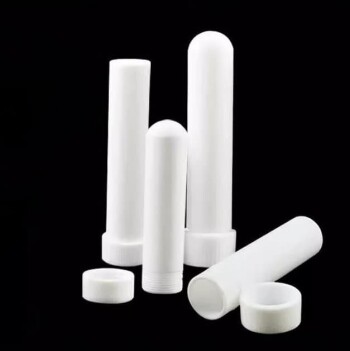
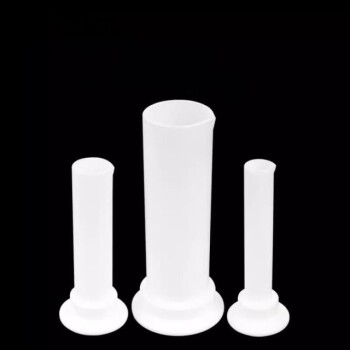
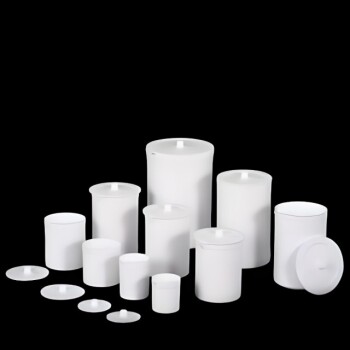
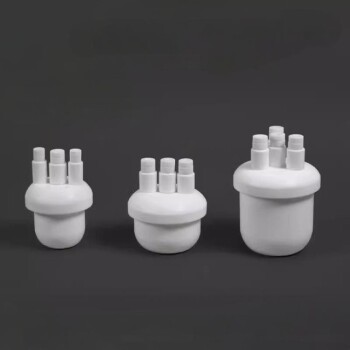
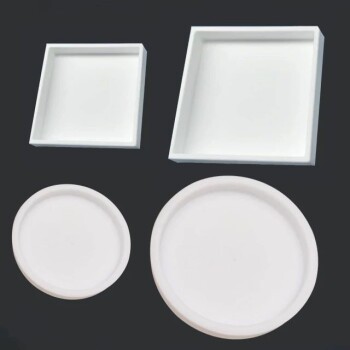
PTFE-lined high-pressure reactors are essential because they provide a chemically inert environment that prevents vessel corrosion and product contamination. During the hydrothermal synthesis of cobalt-based precursors, the reaction mixture often contains aggressive electrolytes and metal salts that would otherwise degrade a standard stainless steel reactor. By isolating the chemical reaction within a Polytetrafluoroethylene (PTFE) liner, researchers ensure the high purity of the synthesized electrocatalyst while maintaining the structural integrity of the high-pressure system.
The PTFE liner acts as a critical barrier that allows hydrothermal reactions to proceed under extreme temperatures and pressures without compromising the chemical composition of the precursor. It bridges the gap between the need for chemical stability and the mechanical strength required for subcritical synthesis.
The Role of Chemical Inertness in High-Purity Synthesis
Preventing Corrosion from Aggressive Electrolytes
The synthesis of cobalt-based precursors frequently involves strong electrolytes, metal salts, and alkaline mineralizers (like KOH). At the elevated temperatures required for hydrothermal synthesis, these substances become highly corrosive to the stainless steel walls of the reactor. The PTFE liner is utilized for its exceptional resistance to acids and alkalis, protecting the outer shell from chemical erosion.
Eliminating Metal Ion Contamination
If the reaction solution were in direct contact with the steel reactor body, metal ions such as iron, chromium, or nickel could leach into the solution. Even trace amounts of these impurities can drastically alter the electrochemical properties and performance of the final cobalt precursor. The liner ensures that the nucleation and growth of cobalt ions occur in a pristine environment, maintaining the desired phase and structure.
Facilitating Structural Growth Under Pressure
Creating a Sealed Subcritical Environment
Hydrothermal synthesis requires temperatures that often exceed the atmospheric boiling point of water, creating a high-pressure, subcritical state. The PTFE liner is housed within a stainless steel shell, which provides the mechanical strength necessary to contain this internal pressure safely. This combination allows for a steady reaction environment that would be impossible in an open or unlined vessel.
Promoting Specialized Nanostructure Formation
The controlled, pressurized environment inside the liner is vital for the in-situ growth of complex structures, such as nanowires or layered double hydroxides (LDH). By maintaining constant pressure and temperature, the reactor facilitates the rapid and uniform formation of nanocomposites. This method is often more efficient than traditional processes, allowing for precise control over the morphology of the precursor.
Understanding the Trade-offs and Limitations
Temperature Constraints of PTFE
While PTFE is highly inert, it has a clear thermal limit, typically around 220°C to 250°C. Exceeding these temperatures can cause the liner to soften, deform, or release toxic vapors, which compromises both the experiment and safety. For reactions requiring higher temperatures, alternative liners like PPL (polyphenylene polymers) or quartz are often required.
Issues with Thermal Expansion and Creep
PTFE has a different coefficient of thermal expansion than the stainless steel shell surrounding it. Rapid heating or cooling can lead to "creep" or permanent deformation of the liner, which may cause it to stick inside the reactor or leak. Careful monitoring of heating rates and cooling cycles is necessary to extend the service life of the liner.
Making the Right Choice for Your Synthesis Goal
Before beginning your synthesis, consider the specific requirements of your cobalt-based material to ensure the equipment matches your objectives.
- If your primary focus is high-purity electrocatalysts: Use a PTFE liner to ensure no metallic impurities from the reactor shell leach into your cobalt-based precursor.
- If your primary focus is nanostructure morphology (e.g., nanowires): Utilize the sealed, pressurized environment of the liner to facilitate controlled in-situ growth on substrates like nickel mesh.
- If your primary focus is high-temperature reactions (above 250°C): Seek alternative liner materials, as PTFE will lose structural integrity and may fail under these conditions.
- If your primary focus is safety and vessel longevity: Always inspect the PTFE liner for cracks or discoloration before use to prevent corrosive reactants from reaching the stainless steel shell.
By matching the chemical resilience of PTFE with the physical strength of a high-pressure vessel, you create the ideal conditions for advanced material synthesis.
Summary Table:
| Key Feature | Benefit for Cobalt Synthesis | Essential Consideration |
|---|---|---|
| Chemical Inertness | Prevents corrosion from aggressive electrolytes and salts | Vital for KOH and alkaline mineralizers |
| Contamination Barrier | Eliminates leaching of Fe, Cr, and Ni ions from steel | Ensures high-purity electrocatalysts |
| Pressure Containment | Facilitates subcritical growth of complex nanostructures | Enables in-situ morphology control |
| Thermal Stability | Maintains integrity during hydrothermal cycles | Limited to temperatures below 250°C |
Elevate Your Material Synthesis with KINTEK Precision
Ensure the highest purity for your cobalt-based precursors with KINTEK’s premium laboratory solutions. We specialize in high-performance high-temperature high-pressure reactors and autoclaves, designed to provide the chemical inertness and mechanical strength required for advanced hydrothermal synthesis.
Beyond our reactor systems, KINTEK offers a comprehensive portfolio to support your entire research workflow, including:
- High-Temperature Furnaces: Muffle, tube, vacuum, and CVD systems.
- Sample Preparation: Hydraulic pellet presses, crushing and milling systems, and sieving equipment.
- Lab Essentials: Electrolytic cells, cooling solutions (ULT freezers), and high-quality PTFE/ceramic consumables.
Don't let vessel corrosion or metal contamination compromise your results. Contact KINTEK today to discover how our equipment can enhance your lab's efficiency and experimental accuracy!
References
- Long Chen, Jianjun Wang. Investigating the Structural Evolution and Catalytic Activity of c-Co/Co3Mo Electrocatalysts for Alkaline Hydrogen Evolution Reaction. DOI: 10.3390/molecules28196986
This article is also based on technical information from Kintek Solution Knowledge Base .
Related Products
- Custom PTFE Teflon Parts Manufacturer for Hydrothermal Synthesis Reactor Polytetrafluoroethylene Carbon Paper and Carbon Cloth Nano-growth
- Custom PTFE Teflon Parts Manufacturer for Reagent Wide Mouth Fine Mouth Sample High Temperature Bottles
- Stainless High Pressure Autoclave Reactor Laboratory Pressure Reactor
- Customizable High Pressure Reactors for Advanced Scientific and Industrial Applications
- Custom PTFE Teflon Parts Manufacturer for Microwave Digestion Tank
People Also Ask
- What is the function of a PTFE reactor in MXene etching? Ensure Safe, High-Purity MAX Phase Conversion
- Why is a PTFE reactor required for titanium-based nano-ceramic coating solutions? Ensure Chemical Inertness & Purity
- Why must a Polytetrafluoroethylene (PTFE) reactor be used for Ti3C2TX MXene etching? Ensure Safety and Purity
- Why are PTFE reactors preferred for silver phosphate glass testing? Ensure Purity and Kinetic Accuracy
- What are the advantages of using polytetrafluoroethylene (PTFE) liners in hydrothermal synthesis reactors? High Purity