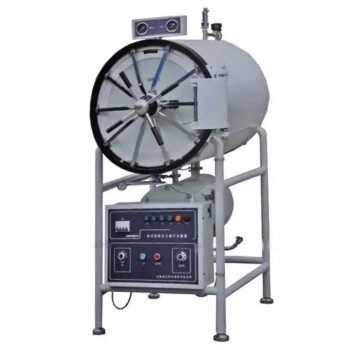
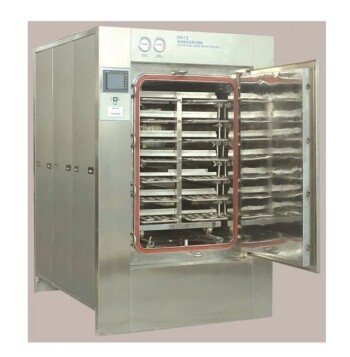
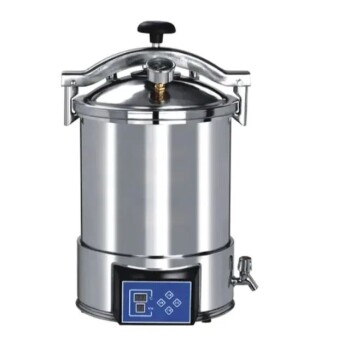
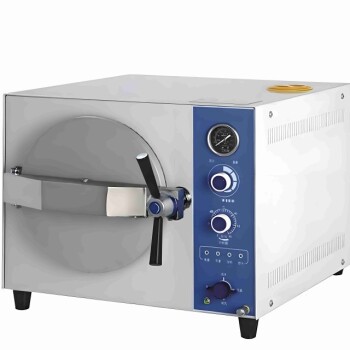
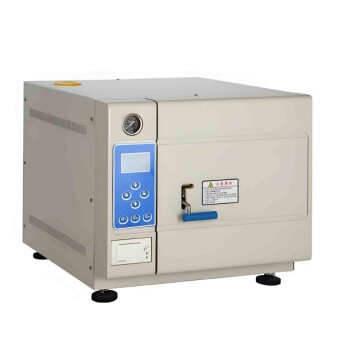
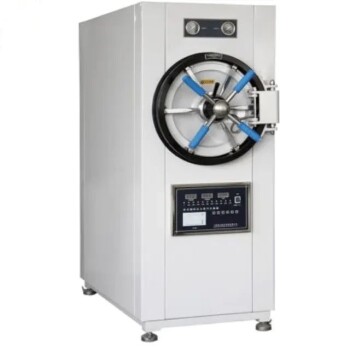
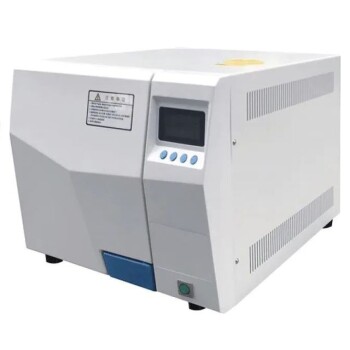
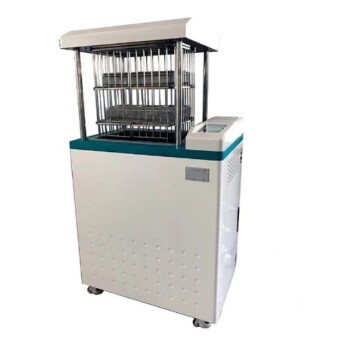
A high-pressure steam sterilizer, or autoclave, functions as a critical pressurized reactor that creates the stable high-temperature environment necessary for effective acid and alkali treatments. By maintaining these extreme conditions, the device allows dilute chemical solutions to penetrate and dismantle the resilient structure of biomass far more efficiently than standard atmospheric heating would permit.
Core Takeaway In the context of biomass pretreatment, an autoclave is not just for sterilization; it acts as a catalyst for structural disintegration. It provides the thermal and barometric intensity required to accelerate the hydrolysis of hemicellulose and the removal of lignin, thereby exposing cellulose for conversion into valuable end-products like levulinic acid.
The Mechanism of Structural Breakdown
To understand why an autoclave is required, one must look beyond its name and understand its role in overcoming the natural recalcitrance of plant matter.
Enhancing Chemical Efficacy
Biomass possesses a complex lignocellulosic structure that is naturally resistant to degradation. An autoclave provides a controlled environment where dilute hydrochloric acid or sodium hydroxide solutions can operate at peak efficiency. The high pressure allows these aqueous solutions to remain in a liquid state at temperatures that would normally cause boiling, significantly increasing their reactive power.
Accelerating Hydrolysis
The primary chemical goal during this phase is the hydrolysis of hemicellulose. The autoclave's environment acts as a force multiplier for this reaction. By subjecting the biomass to high-pressure steam and chemical agents simultaneously, the breakdown of hemicellulose chains is significantly accelerated compared to ambient processes.
Dissolving Lignin Barriers
Lignin acts as a protective "glue" within biomass, shielding cellulose from chemical conversion. The high-temperature conditions within the autoclave facilitate the dissolution of lignin. Removing this barrier is essential for the subsequent steps of the process, as it exposes the underlying cellulose fibers.
Enriching Cellulose Content
The ultimate objective of this pretreatment is to prepare the raw material for conversion into levulinic acid. By stripping away hemicellulose and lignin, the autoclave process effectively enriches the remaining material with cellulose. This exposed cellulose is then much more accessible for downstream processing.
Operational Advantages and Efficiency
While the chemical impact is the primary driver, the operational characteristics of autoclaving make it a distinctively efficient choice for this process.
Deep Steam Penetration
Steam is a superior medium for heat transfer in porous materials like biomass. The moisture in the steam aids in penetration, ensuring that the heat and pressure reach all surfaces and internal structures of the biomass feedstock. This ensures uniform treatment, preventing "cold spots" where the biomass structure might remain intact.
Economic and Temporal Efficiency
Compared to other pretreatment methods that might require complex solvent systems or extended reaction times, autoclaving is often more economical. It offers a relatively short procedure time and does not necessarily require expensive disposable materials or exotic supplementary chemicals beyond the standard acid or alkali catalysts.
Incidental Sterilization
While the primary goal in this context is chemical pretreatment, the mechanism of action—coagulating proteins—effectively disables microorganisms. This ensures that the biomass is not only chemically prepped but also biologically neutral, preventing unwanted microbial fermentation from competing with the intended chemical conversion processes.
Optimizing Your Pretreatment Strategy
To derive the most value from high-pressure steam treatment, align your parameters with your specific yield targets.
If your primary focus is Cellulose Accessibility:
- Prioritize the stability of temperature and pressure to ensure maximum removal of lignin, which exposes the cellulose necessary for levulinic acid conversion.
If your primary focus is Process Efficiency:
- Leverage the autoclave's ability to use dilute chemicals and short cycle times to reduce operational costs without sacrificing the structural breakdown of the biomass.
If your primary focus is Contamination Control:
- Rely on the steam's protein-coagulating properties to eliminate vegetative and spore-state microbes that could interfere with sensitive downstream fermentation or storage.
By utilizing the autoclave as a high-performance chemical reactor, you transform raw biomass into a refined feedstock ready for value-added chemical production.
Summary Table:
| Feature | Role in Biomass Pretreatment | Primary Benefit |
|---|---|---|
| High-Pressure Environment | Prevents boiling of dilute acid/alkali solutions | Enhances chemical reactivity and penetration |
| Thermal Intensity | Accelerates the hydrolysis of hemicellulose | Rapid breakdown of complex plant structures |
| Deep Steam Penetration | Ensures uniform heat transfer in porous matter | Eliminates cold spots for consistent processing |
| Lignin Dissolution | Removes the protective "glue" around cellulose | Exposes cellulose for conversion to levulinic acid |
| Protein Coagulation | Neutralizes vegetative and spore-state microbes | Prevents unwanted fermentation and contamination |
Elevate Your Biomass Conversion Efficiency with KINTEK
Unlock the full potential of your research with KINTEK’s precision-engineered high-pressure steam sterilizers and autoclaves. Whether you are focusing on the hydrolysis of hemicellulose or the removal of lignin, our specialized high-temperature and high-pressure reactors provide the stable, extreme environments necessary for superior structural disintegration.
Why choose KINTEK?
- Advanced Reactor Technology: Our autoclaves and high-pressure reactors are built to withstand the rigors of acid and alkali treatments.
- Comprehensive Lab Solutions: From crushing and milling systems to high-temperature furnaces and PTFE consumables, we provide the full toolkit for biomass processing.
- Targeted Expertise: We support laboratory professionals in achieving maximum cellulose accessibility and process efficiency.
Ready to transform your raw biomass into high-value chemical feedstock? Contact our technical experts today to find the perfect autoclave or reactor configuration for your laboratory!
References
- A. Halliru, A. S. Muhammad. Optimization of Levulinic acid production from groundnut shell using Taguchi orthogonal array design. DOI: 10.4314/bajopas.v12i1.51s
This article is also based on technical information from Kintek Solution Knowledge Base .
Related Products
- Laboratory High Pressure Horizontal Autoclave Steam Sterilizer for Lab Use
- Portable High Pressure Laboratory Autoclave Steam Sterilizer for Lab Use
- Laboratory High Pressure Steam Sterilizer Vertical Autoclave for Lab Department
- Desktop Fast High Pressure Laboratory Autoclave Sterilizer 16L 24L for Lab Use
- Laboratory Sterilizer Lab Autoclave Herbal Powder Sterilization Machine for Plant
People Also Ask
- Why is a laboratory high-pressure autoclave sterilizer necessary? Ensure Accuracy in Antibacterial Research
- What is the role of a laboratory high-pressure autoclave in the conversion of furfural to piperidine? Optimize Yields
- What is the primary function of a laboratory autoclave in the pre-treatment of medical plastic waste for liquid fuel?
- What is an autoclave laboratory equipment? The Ultimate Guide to Steam Sterilization
- What is a laboratory autoclave? A Guide to Sterilization with Pressurized Steam