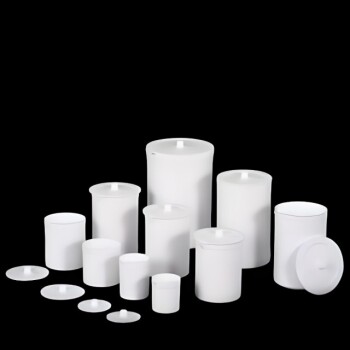
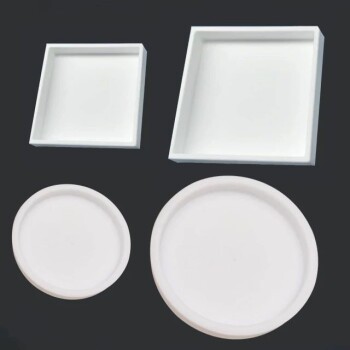
The necessity of a PTFE-lined reactor stems from the extreme corrosivity of acids at high temperatures. A PTFE (polytetrafluoroethylene) liner acts as an impenetrable chemical barrier, protecting the reactor’s structural shell from phosphoric acid while facilitating the high-pressure conditions required to destabilize the mineral components of oil shale semi-coke.
Core Takeaway: PTFE-lined reactors are essential because they combine the chemical immunity of fluoropolymers with the mechanical strength of steel, allowing corrosive acids to penetrate mineral lattices at high temperatures without destroying the equipment or contaminating the sample.
Managing Extreme Chemical Aggression
Resistance to High-Temperature Acids
At hydrothermal temperatures, typically around 200 °C, phosphoric acid becomes exceptionally corrosive.
A standard stainless steel reactor would suffer immediate chemical attack, leading to structural failure and hazardous leaks.
PTFE possesses extraordinary chemical inertness, allowing it to remain stable and non-reactive even when in direct contact with concentrated acids under heat.
Protection of the Structural Shell
While the PTFE liner provides chemical resistance, the external stainless steel shell provides the mechanical strength needed to withstand high internal pressures.
The liner prevents the reaction media from touching the metal walls, ensuring the structural integrity of the vessel is never compromised by thinning or pitting.
This dual-material approach allows researchers to safely exceed the atmospheric boiling point of the acidic solution.
Facilitating Molecular Structural Adjustments
Penetration of the Mineral Lattice
The sealed, high-pressure environment created by the reactor forces phosphoric acid molecules to interact more aggressively with the oil shale semi-coke.
Under these conditions, acid molecules can effectively penetrate the mineral lattice of the semi-coke.
This penetration is vital for dissolving metal ions, such as aluminum, which are locked within the material's inorganic framework.
Disruption of Crystalline Structures
The hydrothermal treatment specifically targets the crystal structures of minerals like kaolinite and feldspar.
By disrupting these stable structures, the acid enables molecular-level adjustments to the semi-coke’s composition.
A PTFE liner ensures that this energy is focused entirely on the sample rather than being consumed by side reactions with the reactor walls.
Ensuring Process Purity and Accuracy
Prevention of Metal Ion Leaching
Without a liner, the acid would leach chromium, nickel, and iron from the stainless steel reactor body into the reaction slurry.
The PTFE liner acts as a total isolator, preventing these external metal impurities from contaminating the oil shale semi-coke.
This is critical for maintaining the high purity of the treated product and ensuring that experimental data reflects the true behavior of the shale.
Consistency of Experimental Results
A clean reaction environment provided by PTFE ensures that the chemical kinetics are not altered by unintended catalytic effects from the reactor walls.
It provides a stable, sealed state that allows for reproducible results across multiple hydrothermal cycles.
This reliability is fundamental for studying the complex phase transformations occurring within the semi-coke minerals.
Understanding the Trade-offs
Temperature Limitations
While PTFE is highly resistant to chemicals, it has a lower thermal threshold than metal, typically limited to 250 °C or below.
Exceeding these temperatures can cause the PTFE to soften or undergo creep deformation, potentially leading to a seal failure.
Users must balance the need for high-temperature reaction kinetics with the physical limits of the fluoropolymer material.
Thermal Expansion and Sealing
PTFE has a significantly higher coefficient of thermal expansion than the steel shell surrounding it.
As the reactor heats up, the liner expands more than the vessel, which helps create a tight seal but can also cause "flow" of the material over time.
This necessitates regular inspection of the liner for thinning or distortion to prevent catastrophic leaks during high-pressure runs.
Applying This Knowledge to Your Project
Recommendations for Reactor Selection
- If your primary focus is mineral transformation at 200°C: Use a PTFE-lined reactor to ensure phosphoric acid can penetrate the kaolinite lattice without corroding the vessel.
- If your primary focus is maximum sample purity: Prioritize a new or well-maintained PTFE liner to eliminate any risk of metal ion leaching from the stainless steel shell.
- If your primary focus is safety during high-pressure runs: Regularly inspect the liner for "creep" or discoloration and never exceed the manufacturer’s rated temperature for the PTFE insert.
By utilizing a PTFE-lined high-pressure reactor, you create the precise environment necessary to restructure oil shale semi-coke while protecting both your equipment and the integrity of your chemical analysis.
Summary Table:
| Feature | Benefit | Importance in Hydrothermal Treatment |
|---|---|---|
| Chemical Inertness | Corrosion Resistance | Protects the reactor from phosphoric acid at 200°C. |
| Non-Leaching | Sample Purity | Prevents chromium and nickel from contaminating the semi-coke. |
| Steel Outer Shell | Pressure Support | Provides mechanical strength for high-pressure mineral penetration. |
| Thermal Expansion | Enhanced Sealing | Helps create a tight internal seal as the reactor heats up. |
Elevate Your Chemical Research with KINTEK Precision
Are you conducting high-pressure mineral transformations or aggressive acid-assisted treatments? KINTEK specializes in high-performance laboratory equipment designed to withstand the most demanding hydrothermal environments. Our high-temperature high-pressure reactors and autoclaves—available with premium PTFE liners and ceramic inserts—ensure your experiments remain pure, safe, and reproducible.
From advanced CVD/PECVD systems and crushing and milling equipment to specialized electrolytic cells and hydraulic presses, we provide the comprehensive tools researchers need for groundbreaking material science. Don't let equipment corrosion compromise your data integrity.
Ready to upgrade your lab's capabilities? Contact our technical experts today to discuss how our custom-engineered reactor solutions can support your specific project goals.
References
- Feng Zhao, Aiqin Wang. Synthesis of biochar/clay mineral nanocomposites using oil shale semi-coke waste for removal of organic pollutants. DOI: 10.1007/s42773-023-00205-1
This article is also based on technical information from Kintek Solution Knowledge Base .
Related Products
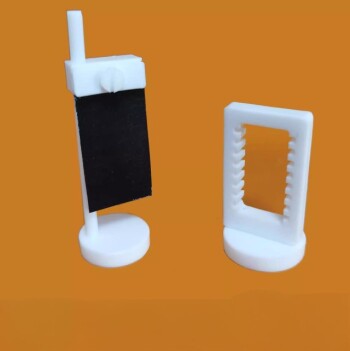
- Custom PTFE Teflon Parts Manufacturer for Hydrothermal Synthesis Reactor Polytetrafluoroethylene Carbon Paper and Carbon Cloth Nano-growth
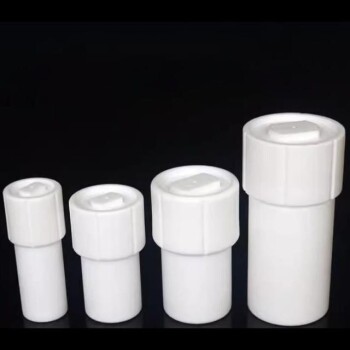
- Custom PTFE Teflon Parts Manufacturer for Reagent Wide Mouth Fine Mouth Sample High Temperature Bottles
- Customizable High Pressure Reactors for Advanced Scientific and Industrial Applications
- Stainless High Pressure Autoclave Reactor Laboratory Pressure Reactor
- Custom PTFE Teflon Parts Manufacturer for Microwave Digestion Tank
People Also Ask
- What is the function of a PTFE reactor in MXene etching? Ensure Safe, High-Purity MAX Phase Conversion
- Why is a PTFE reactor required for titanium-based nano-ceramic coating solutions? Ensure Chemical Inertness & Purity
- Why must a Polytetrafluoroethylene (PTFE) reactor be used for Ti3C2TX MXene etching? Ensure Safety and Purity
- Why are PTFE reactors preferred for silver phosphate glass testing? Ensure Purity and Kinetic Accuracy
- What are the advantages of using polytetrafluoroethylene (PTFE) liners in hydrothermal synthesis reactors? High Purity