The necessity of a vacuum distillation system in this process is dictated by the thermal instability of rosin allyl esters. Because these compounds are prone to reacting when heated, a vacuum system is required to lower the boiling point of impurities, allowing them to be removed without exposing the product to damaging temperatures.
Core Insight: The primary goal of using vacuum distillation is to decouple purification from high heat. By reducing system pressure, you can extract volatile by-products and unreacted allyl chloride at low temperatures, thereby preventing the premature polymerization that would otherwise ruin the target product.
The Challenge: Thermal Sensitivity
The Risk of Premature Polymerization
Rosin allyl esters are valuable specifically because they are chemically active monomers. However, this reactivity acts as a double-edged sword during synthesis.
If these esters are exposed to the high temperatures typically required for standard distillation, they will begin to polymerize. This means the monomers react with each other to form long chains before they are ever used in their intended application, effectively destroying the product.
The Problem with Standard Distillation
In a standard atmospheric environment, removing liquid by-products requires heating the mixture until those by-products boil.
For rosin allyl ester synthesis, the boiling point of the impurities—specifically unreacted allyl chloride—is high enough at standard pressure that the necessary heat would trigger the polymerization described above.
How Vacuum Distillation Solves the Problem
Reducing the Boiling Point
Vacuum distillation alters the physical environment of the reaction vessel. By lowering the pressure inside the system, the boiling point of liquids within the mixture is significantly reduced.
This follows the same principle used in other sensitive chemical syntheses (such as aminosiloxanes), where reducing pressure allows volatile components like alcohols to be extracted rapidly without excessive heating.
Enabling Low-Temperature Purification
With the boiling points depressed, unreacted allyl chloride and other reaction by-products turn into vapor at much lower temperatures.
This allows the system to strip away these impurities efficiently while keeping the rosin allyl esters cool enough to remain stable.
Preserving Chemical Activity
The ultimate result of this low-temperature mechanism is the preservation of the product's chemical activity. By avoiding thermal stress, the monomers remain pure and unreacted, ensuring they perform correctly in subsequent formulations.
Critical Considerations and Trade-offs
Equipment Complexity vs. Product Viability
Implementing a vacuum system adds mechanical complexity to the synthesis setup compared to simple atmospheric heating. It requires precise seals and pumps to maintain the necessary pressure drop.
However, this is not a flexible trade-off. For rosin allyl esters, the cost of equipment complexity is the price of admission to obtain a viable product. The alternative—atmospheric distillation—results in a polymerized, unusable solid.
Balancing Pressure and Temperature
The operator must maintain a precise balance. If the vacuum pressure is not low enough, the temperature required to remove the allyl chloride may creep up, reintroducing the risk of polymerization.
Ensuring Synthesis Success
To maximize the quality of your rosin allyl ester synthesis, prioritize the following based on your specific operational goals:
- If your primary focus is Product Purity: Ensure your vacuum system is capable of achieving pressures low enough to volatilize allyl chloride well below the polymerization threshold of the ester.
- If your primary focus is Chemical Activity: Monitor the distillation temperature strictly; even under vacuum, exceeding thermal limits can degrade the monomer's reactivity.
By utilizing vacuum distillation, you transform a thermally risky purification process into a controlled, low-temperature operation that guarantees high-purity monomers.
Summary Table:
| Feature | Standard Distillation | Vacuum Distillation |
|---|---|---|
| Temperature Level | High (Atmospheric Boiling) | Low (Reduced Boiling Point) |
| Product State | High Risk of Polymerization | Preserved Chemical Activity |
| Impurity Removal | Difficult for Heat-Sensitive Compounds | Efficient for Volatile By-products |
| Resulting Quality | Degraded/Unusable Solid | High-Purity Monomer |
Elevate Your Chemical Synthesis with KINTEK Precision
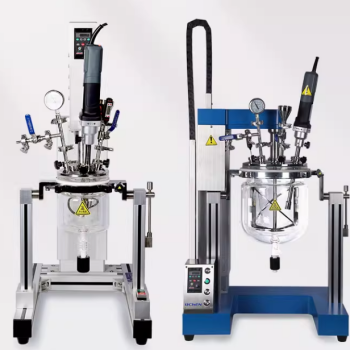
Don't compromise your product's chemical activity through thermal degradation. KINTEK specializes in advanced laboratory solutions designed for sensitive chemical processes. Whether you are synthesizing rosin allyl esters or developing complex polymers, our comprehensive range of vacuum distillation systems, high-temperature reactors, and cooling solutions provides the precise control you need to ensure success.
From high-performance rotary and vacuum systems to specialized PTFE consumables and ceramics, KINTEK provides researchers and manufacturers with the tools to achieve superior purity and yield. Our equipment is engineered to handle the complexities of pressure-sensitive reactions, protecting your monomers from premature polymerization.
Ready to optimize your laboratory efficiency and product viability?
Contact KINTEK Experts Today to find the perfect equipment configuration for your specific synthesis needs.
References
- Mardiah Mardiah, Antonius Indarto. Recent Progress on Catalytic of Rosin Esterification Using Different Agents of Reactant. DOI: 10.3390/agriengineering5040132
This article is also based on technical information from Kintek Solution Knowledge Base .
Related Products
- Vacuum Cold Mounting Machine for Sample Preparation
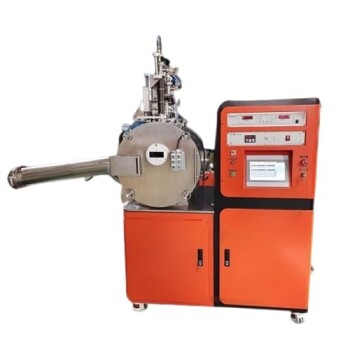
- Vacuum Induction Melting Spinning System Arc Melting Furnace
- Chemical Vapor Deposition CVD Equipment System Chamber Slide PECVD Tube Furnace with Liquid Gasifier PECVD Machine
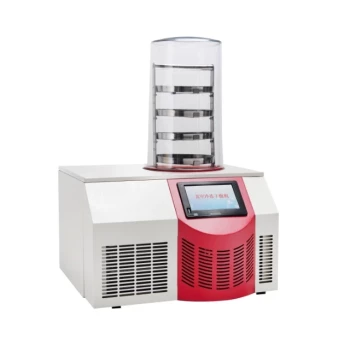
- Benchtop Laboratory Vacuum Freeze Dryer
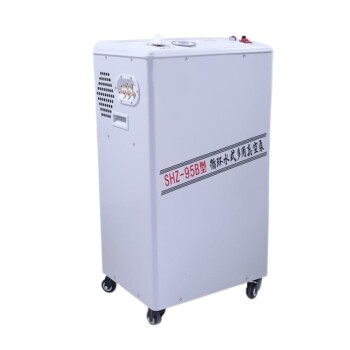
- Circulating Water Vacuum Pump for Laboratory and Industrial Use
People Also Ask
- What is the purpose of sample preparation? Ensure Accurate & Reliable Analytical Results
- What sample preparation methods are used in labs? Master the Critical First Step for Reliable Analysis
- What is a vacuum press machine? Harness Atmospheric Pressure for Perfect Lamination
- What role does vacuum impregnation play with high-viscosity ionic liquids? Enhance Your Battery Performance Today
- What can you do with a vacuum press? Achieve Flawless Lamination and Clamping