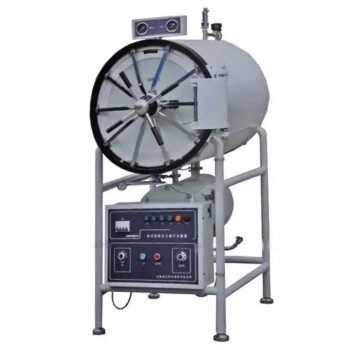
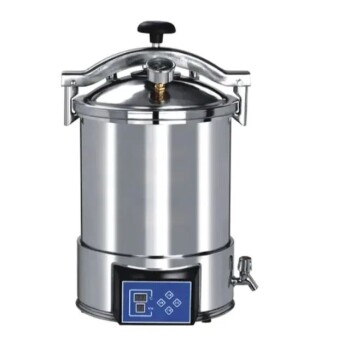
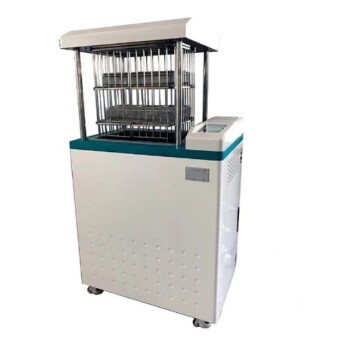
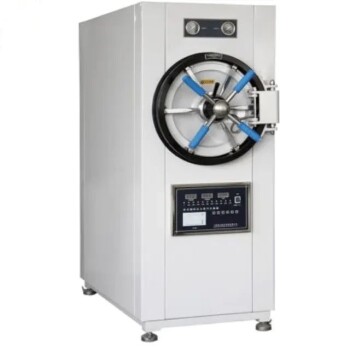
High-pressure autoclaves rely on external cooling systems to establish a critical thermal barrier between the intense heat of the reaction chamber and the sensitive external interface. Without this cooling mechanisms, heat naturally conducts outward, threatening the structural integrity and functionality of precision components such as valves, pressure sensors, and sampling ports.
High-temperature, high-pressure environments create aggressive thermal gradients that can destroy external instrumentation. Cooling systems are not optional add-ons; they are essential for isolating precision components from core heat, ensuring seal integrity and preserving the accuracy of real-time monitoring data.
The Threat of Thermal Conduction
Heat Migration to External Interfaces
In a high-pressure autoclave, the core reaction chamber generates extreme temperatures. By the laws of physics, this heat seeks to escape, conducting through the metal walls toward cooler external points.
Without intervention, this heat travels directly to the connection points. This transforms your external connection components into heat sinks, raising their temperature well beyond their design specifications.
The Role of Air and Water Cooling
Cooling systems, whether air-based fans or water-circulation jackets, intercept this thermal transfer.
They actively dissipate heat at the connection interface. This maintains the "cold zone" necessary for external hardware to function, regardless of how hot the internal reactor becomes.
Protecting Critical Instrumentation
Safeguarding Valves and Sensors
Precision components like pressure sensors and sampling valves typically contain delicate diaphragms and electronics.
These parts are far more sensitive to heat than the thick steel of the autoclave vessel. Cooling systems ensure these components remain within their safe operating temperature ranges, preventing catastrophic failure.
Preventing Seal Degradation
The weakest link in any high-pressure system is usually the seal. O-rings and gaskets are prone to thermal degradation when exposed to excessive heat.
High temperatures can cause seals to melt, harden, or crack, leading to dangerous leaks. Cooling systems keep the sealing environment cool, extending the service life of these consumables and maintaining a gas-tight closure.
Ensuring Data Accuracy
Eliminating Thermal Noise
Heat affects the physical properties of sensing elements. If a pressure sensor overheats, the data it reports often drifts, resulting in false readings.
By keeping the sensor assembly cool, you ensure that the data reflects true pressure changes, not artifacts caused by thermal expansion or electronic interference.
Real-Time Monitoring Integrity
Accurate process control relies on real-time data. If the cooling system fails, the lag time and error margin in your data increase.
Maintained cooling ensures that the feedback loop between the reactor and the controller remains precise and reliable.
Understanding the Trade-offs
Complexity vs. Reliability
Implementing air or water cooling adds complexity to the system setup. It requires additional infrastructure, such as water chillers, tubing, or reliable power for fans.
However, the trade-off is unavoidable. Omitting cooling to save on complexity inevitably leads to higher costs later through frequent component replacement and downtime.
Maintenance Requirements
Active cooling systems introduce their own maintenance needs. Water channels can clog with scale, and fans can fail.
Operators must treat the cooling system as a critical safety component. Regular inspection of flow rates and heat dissipation performance is required to prevent "silent" overheating of sensors.
Making the Right Choice for Your Goal
To maximize the lifespan and safety of your high-pressure autoclave, align your cooling strategy with your operational priorities.
- If your primary focus is Data Precision: Prioritize cooling systems with high thermal capacity to eliminate temperature-induced drift in your pressure sensors.
- If your primary focus is Equipment Longevity: Ensure aggressive cooling around all valve connections to prevent seal degradation and frequent maintenance intervals.
External cooling is the guardian of your autoclave's precision interfaces, ensuring that high-performance internal reactions do not compromise external safety.
Summary Table:
| Feature | Purpose of Cooling System | Impact of Lack of Cooling |
|---|---|---|
| External Valves | Prevents heat-induced structural failure | Overheating leads to valve seizure or leaks |
| Pressure Sensors | Eliminates thermal drift for accurate data | False readings and electronic damage |
| Seals & O-rings | Prevents thermal degradation and hardening | Catastrophic gas leaks and seal melting |
| Safety Interfaces | Maintains a 'cold zone' for manual handling | Dangerous surface temperatures for operators |
Ensure the safety and precision of your laboratory reactions with KINTEK’s advanced solutions. KINTEK specializes in high-performance high-temperature high-pressure reactors and autoclaves, providing the cooling infrastructure necessary to protect your critical instrumentation. From high-pressure reactors to precision pressure sensors and durable seals, we offer the comprehensive expertise needed to maintain your system's integrity and data accuracy. Contact KINTEK today to upgrade your high-pressure setup with our industry-leading equipment and consumables!
References
- Jana Rejková, Marie Kudrnová. Testing of corrosion behavior of nickel alloys at high temperatures in molten salts. DOI: 10.37904/metal.2022.4515
This article is also based on technical information from Kintek Solution Knowledge Base .
Related Products
- Mini SS High Pressure Autoclave Reactor for Laboratory Use
- High Pressure Laboratory Autoclave Reactor for Hydrothermal Synthesis
- Stainless High Pressure Autoclave Reactor Laboratory Pressure Reactor
- Desktop Fast High Pressure Laboratory Autoclave Sterilizer 16L 24L for Lab Use
- Portable High Pressure Laboratory Autoclave Steam Sterilizer for Lab Use
People Also Ask
- Why use high-pressure reactors for molecular sieve synthesis? Unlock Superior Crystallinity and Framework Control
- Why are high-pressure reactors or autoclaves necessary for the synthesis of new functional materials? Unlock Precision.
- What is the function of a high-pressure reactor autoclave? Enhancing Cu/N Co-Doped Carbon Catalyst Synthesis
- What are the advantages of using a high-pressure reactor like an autoclave? Maximize Liquefaction Speed & Yield
- How are high-pressure reactors used to prepare metaphosphate electrocatalysts? Master In-Situ Precursor Growth