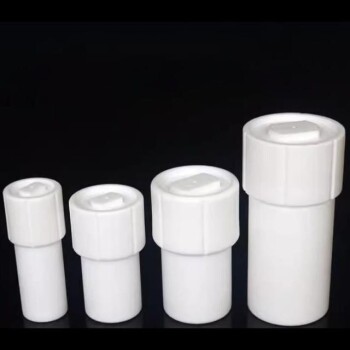
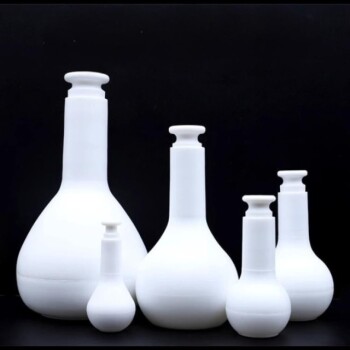
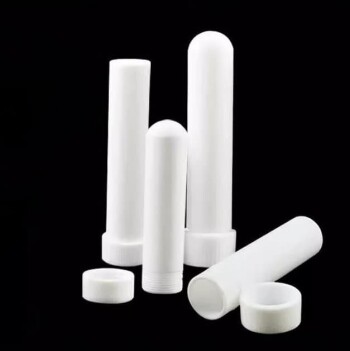
High-quality acid-resistant containers, particularly Polytetrafluoroethylene (PTFE), are mandatory for extended 360-hour leaching experiments to ensure both structural integrity and data accuracy. Without these specialized materials, the prolonged combination of heat and acidity causes standard vessels to degrade, contaminating your solution with impurities and risking catastrophic physical failure during the process.
In long-cycle leaching, the vessel itself can become an unwanted participant in the chemical reaction. Using high-grade materials like PTFE guarantees that your analytical data reflects the behavior of the specimen alone, rather than the degradation of the container holding it.
Preserving Chemical Accuracy
The primary reason for using materials like PTFE is to maintain the purity of the chemical environment.
Preventing Impurity Precipitation
Standard laboratory glass is not chemically inert over long durations in harsh environments. Under high-temperature acidic conditions, standard containers can undergo vessel dissolution.
This dissolution releases impurity ions, such as silicon or alkali metals, into the leaching solution. PTFE remains stable in pH levels ranging from 2 to 11, preventing this cross-contamination.
Ensuring Analytical Fidelity
The goal of a leaching experiment is to analyze the dissolution of a specific specimen. If the container degrades, it alters the composition of the solution.
By using high-polymer containers, you ensure that the final component analysis accurately reflects the glass specimen's behavior. This eliminates "background noise" caused by the vessel's chemistry.
Guaranteeing Experimental Continuity
Beyond chemistry, the physical durability of the container is critical for the success of long-duration protocols.
Withstanding Corrosive Stress
Leaching experiments often involve hot sulfuric acid and run for cycles as long as 360 hours. This creates a relentless corrosive environment that attacks structural weak points.
High-quality acid-resistant materials possess the necessary thermal and chemical resistance to withstand this exposure without weakening.
preventing Process Interruption
A container failure during a 360-hour experiment is not just a cleanup issue; it is a significant loss of time and data.
If a vessel cracks or dissolves due to acid fatigue, the entire 15-day experiment must be restarted. PTFE containers prevent interruptions caused by container damage, securing your project timeline.
Understanding the Trade-offs
While PTFE is the superior choice for these applications, it is important to acknowledge the operational differences compared to standard glassware.
Visibility Limitations
Unlike borosilicate glass, PTFE is typically opaque or translucent.
This makes it difficult to visually monitor the physical changes of the specimen or the color of the solution without opening the vessel, which could disturb the leaching environment.
Cost Implications
High-quality, acid-resistant polymers are significantly more expensive than standard laboratory glass.
However, for experiments lasting hundreds of hours, the cost of a failed run or compromised data far outweighs the initial investment in proper hardware.
Making the Right Choice for Your Goal
Select your equipment based on the specific demands of your experimental timeline and accuracy requirements.
- If your primary focus is Data Purity: Prioritize PTFE containers to eliminate the risk of silicon or alkali metal leaching that would skew your analytical results.
- If your primary focus is Operational Safety: Use high-polymer vessels to prevent acid leaks or structural failure caused by long-term exposure to hot sulfuric acid.
Success in long-cycle leaching depends as much on the inertness of your container as it does on the quality of your specimen.
Summary Table:
| Feature | Standard Lab Glass | PTFE (Polytetrafluoroethylene) |
|---|---|---|
| Chemical Inertness | Risk of silicon/alkali ion leaching | High (Stable at pH 2-11) |
| Acid Resistance | Poor for long-term hot acid exposure | Excellent (Sulfuric acid compatible) |
| Durability | Prone to cracks/fatigue over 360h | High structural integrity |
| Data Accuracy | High background noise from vessel | Pure results from specimen only |
| Visibility | Transparent | Opaque/Translucent |
Elevate Your Research Precision with KINTEK
Don’t let container degradation compromise 15 days of critical data. KINTEK specializes in high-performance laboratory equipment and consumables designed for the most demanding environments. Whether you need acid-resistant PTFE products, high-temperature crucibles, or specialized crushing and milling systems, we provide the tools that ensure your analytical fidelity.
From high-temperature furnaces and high-pressure reactors to essential PTFE labware and ceramics, our portfolio supports every stage of your material science and battery research.
Ready to secure your experimental continuity? Contact our laboratory specialists today to find the perfect acid-resistant solutions for your long-cycle leaching protocols!
References
- Zhongchen Han, Junyu Qu. Study on Vanadium Leaching from Vanadium and Ferro-Titanium Concentrate Using Calcified Roasting Pellets and Sulfuric Acid at Constant pH. DOI: 10.3390/min15060580
This article is also based on technical information from Kintek Solution Knowledge Base .
Related Products
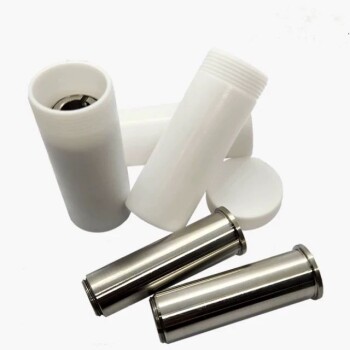
- Custom PTFE Teflon Parts Manufacturer for Microwave Digestion Tank
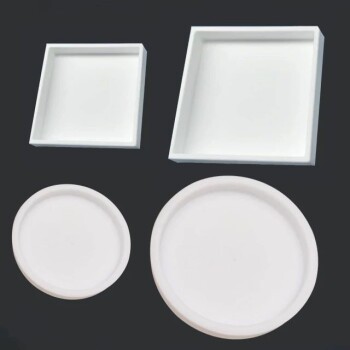
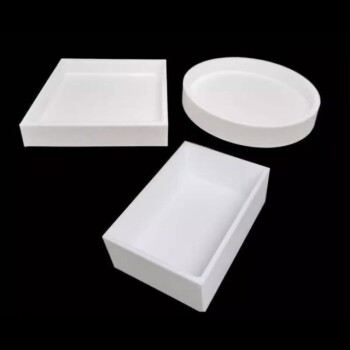
- Custom PTFE Teflon Parts Manufacturer for PTFE Containers
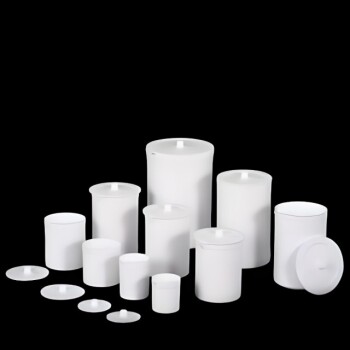
- Custom PTFE Teflon Parts Manufacturer PTFE Beaker and Lids
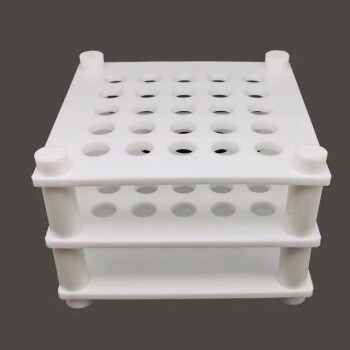
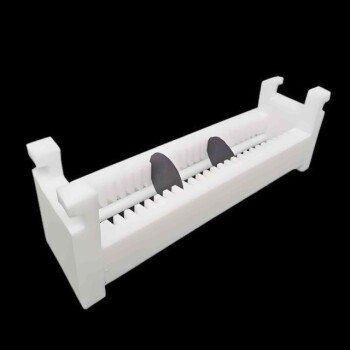
- Custom PTFE Teflon Parts Manufacturer for Centrifuge Tube Racks
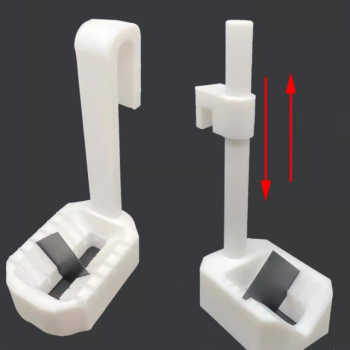
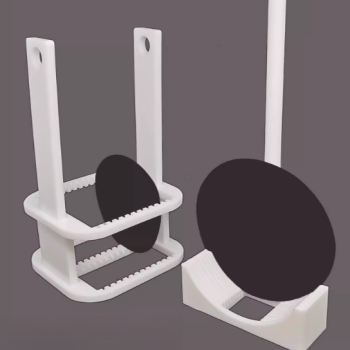
- Custom PTFE Teflon Parts Manufacturer for Hollow Cleaning Basket and Rack Carrier
People Also Ask
- Why are PTFE containers required for PCT leaching tests? Ensure Chemical Inertness and Analytical Precision
- Why use high-quality PTFE containers for CO2 reduction electrolytes? Eliminate silicon contamination and ensure data.
- Why is PTFE Mandatory for Hydrofluoric Acid (HF) Handling? Ensure Safety and Data Integrity in Corrosion Testing
- Why is a PTFE container required for acid leaching of silicon nanosheets? Ensure High Purity and Safety
- Why are polytetrafluoroethylene (PTFE) containers essential for assessing the corrosion resistance of glassified waste?