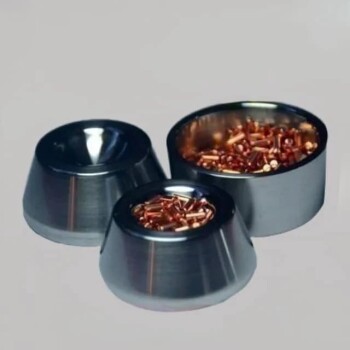
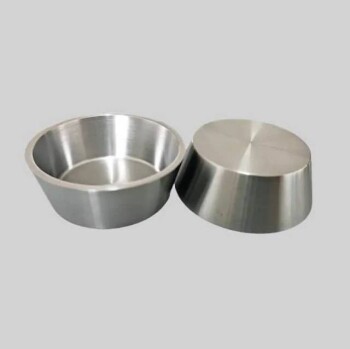
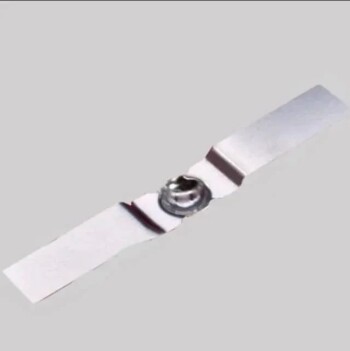
Yes, pre-heating a clean crucible before use is a critical and non-negotiable step. This procedure ensures the crucible reaches the necessary operating temperature before you introduce your material. Doing so is the primary method for preventing catastrophic failure from thermal shock and ensuring the accuracy of your high-temperature process.
The core principle is simple: gradual temperature changes protect your equipment and your results. Pre-heating a crucible prevents the extreme stress of rapid temperature change, which can crack the crucible and compromise the melting process.
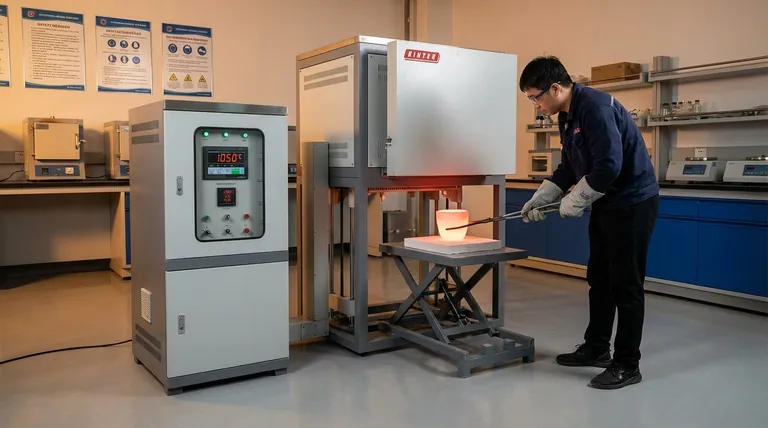
The Primary Risk: Thermal Shock
Thermal shock is the single greatest threat to the structural integrity of a crucible. Understanding this phenomenon is key to proper handling.
What is Thermal Shock?
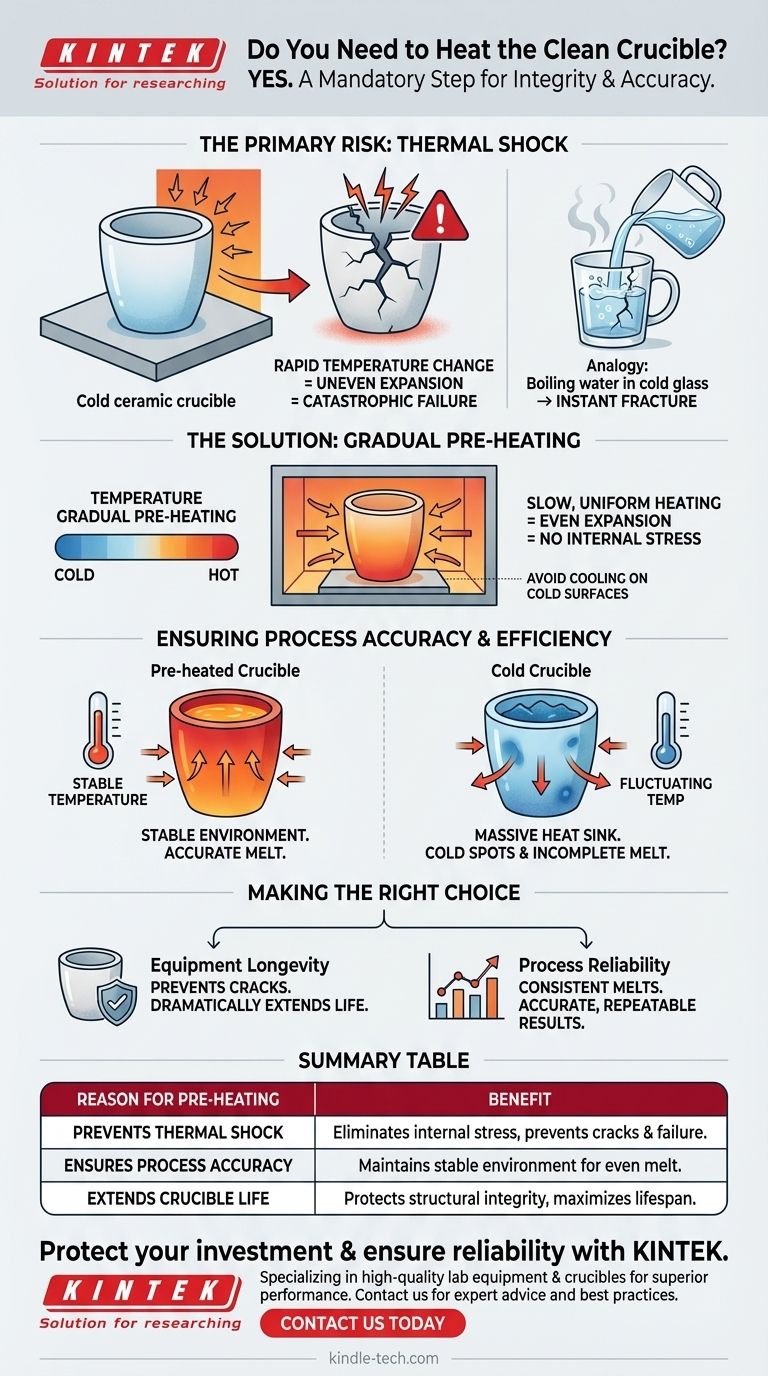
When a material is heated or cooled too quickly, different parts of it expand or contract at different rates. This uneven change creates immense internal stress that can easily exceed the material's strength, causing it to fracture.
Think of pouring boiling water into a cold, thick glass mug. The inside surface expands instantly while the outside remains cold, often causing the mug to crack. A crucible experiences this same stress, but at a far more extreme level.
How Pre-heating Prevents Catastrophic Failure
By slowly pre-heating the crucible, you allow the entire vessel to expand uniformly. This gradual process eliminates the internal stress that would be caused by dropping cold material into a hot furnace or introducing intense heat to a cold crucible.
This same principle applies in reverse. A heated crucible should never be placed on a cold surface, as the rapid cooling will cause it to contract unevenly and break.
Ensuring Process Accuracy and Efficiency
Beyond protecting the equipment, pre-heating is essential for maintaining the stability and reliability of your melting or heating process.
Maintaining a Stable Thermal Environment
When you add material to a properly pre-heated crucible, the system's temperature remains stable. The energy from the furnace goes directly into melting your material, not into slowly heating the crucible itself.
Achieving an Accurate and Complete Melt
Without pre-heating, the cold crucible acts as a massive heat sink. This can create cold spots, preventing your material from melting evenly or reaching the required temperature accurately, which compromises the quality of your results.
Making the Right Choice for Your Process
Adopting this practice is not about preference; it's about adhering to a fundamental principle of material science and process control.
- If your primary focus is equipment longevity: Pre-heating is the single most important step you can take to prevent cracks and dramatically extend the life of your crucibles.
- If your primary focus is process reliability: Pre-heating ensures your material melts consistently and completely, leading to accurate and repeatable results every time.
Ultimately, treating pre-heating as a mandatory step protects both your investment and the integrity of your work.
Summary Table:
| Reason for Pre-heating | Benefit |
|---|---|
| Prevents Thermal Shock | Eliminates internal stress from rapid temperature change, preventing cracks and catastrophic failure. |
| Ensures Process Accuracy | Maintains a stable thermal environment for an even, complete melt and reliable results. |
| Extends Crucible Life | Gradual heating protects the crucible's structural integrity, maximizing its lifespan. |
Protect your investment and ensure process reliability with the right crucible handling. KINTEK specializes in high-quality lab equipment and consumables, including crucibles designed for superior thermal performance. Our experts can help you select the right crucible for your application and provide best practices for its use. Contact us today to discuss your laboratory needs and enhance your high-temperature processes!
Visual Guide
Related Products
- Engineering Advanced Fine Ceramics Alumina Crucibles (Al2O3) for Thermal Analysis TGA DTA
- Electron Beam Evaporation Coating Oxygen-Free Copper Crucible and Evaporation Boat
- Engineering Advanced Fine Ceramics Alumina Al2O3 Crucible With Lid Cylindrical Laboratory Crucible
- Alumina Al2O3 Ceramic Crucible Semicircle Boat with Lid for Engineering Advanced Fine Ceramics
- Electron Beam Evaporation Coating Gold Plating Tungsten Molybdenum Crucible for Evaporation
People Also Ask
- What role does an alumina crucible play during the calcination of LLZTBO? Ensure High Purity at 800°C
- Why are high-purity alumina crucibles used for liquid lead corrosion experiments? Ensure Data Accuracy at 550°C
- Why Use Alumina Crucibles for TGA of Bicyclic Carbonates? Ensure Data Purity & Chemical Inertness
- Why are alumina crucibles selected as containers for liquid lead corrosion experiments? Ensure Pure Experimental Data
- Why is an alumina crucible selected for the CaCl2-NaCl molten salt system? Ensure High Purity and Thermal Stability