Pyrolysis reactors act as the central control unit for microalgae decomposition, directly dictating the chemical pathway through the strict regulation of heating rates and residence times. By maintaining an oxygen-free environment and precise thermal conditions, the reactor facilitates the thermal cracking of biomass and the subsequent condensation of volatiles into liquid bio-oil.
The reactor’s ability to prevent secondary cracking is the primary driver of bio-oil quality. By stabilizing temperatures between 425 and 600 degrees Celsius, high-performance equipment ensures volatiles condense into usable oil rather than degrading into lower-value gases.
The Mechanics of Yield Optimization
Controlling the Decomposition Path
The reactor determines the fundamental state of the final product by managing how the microalgae breaks down.
It operates by subjecting the biomass to controlled thermal cracking in a strictly oxygen-free environment.
This isolation prevents combustion, forcing the material to decompose into its constituent volatiles rather than burning away.
The Critical Temperature Window
To maximize the yield of bio-oil, the reactor must maintain specific temperature ranges.
Primary thermal cracking typically occurs effectively between 425 and 600 degrees Celsius.
Within this window, the reactor ensures the biomass releases the necessary vapors that will eventually be condensed into liquid form.
Preserving Quality Through Process Control
Minimizing Secondary Cracking
The most significant influence a reactor has on bio-oil quality is its ability to stop reactions at the right moment.
If the volatile vapors remain in the hot zone too long, they undergo secondary cracking reactions.
High-performance reactors are designed to minimize these secondary reactions, preserving the chemical integrity of the oil and preventing it from breaking down further into non-condensable gases.
Regulating Residence Time
The time the biomass spends inside the reactor—the residence time—is a critical variable controlled by the equipment.
In slow pyrolysis, the reactor generally employs a lower heating rate.
While this often favors solid production, precise control over residence time ensures that the volatiles generated are still captured efficiently as bio-oil before they degrade.
Understanding the Trade-offs
The Product Ratio Balance
It is vital to understand that the reactor's settings create a zero-sum game between product types.
Slow pyrolysis and low temperatures inherently favor the production of biochar (a solid with high carbon content) rather than bio-oil.
Conversely, high temperatures and fast heating rates shift production toward syngas.
The Challenge of Slow Pyrolysis for Oil
Seeking high bio-oil yields from slow pyrolysis presents a technical contradiction that the reactor must manage.
Because slow pyrolysis provides ample time for repolymerization, the natural tendency is to form char.
Therefore, to extract bio-oil under these conditions, the reactor’s ability to condense volatiles immediately upon release becomes the deciding factor in yield.
Making the Right Choice for Your Goal
To optimize your output, you must tune the reactor's parameters to your specific desired end-product.
- If your primary focus is Bio-Oil Quality: Ensure the reactor maintains temperatures strictly between 425 and 600°C to minimize secondary cracking of volatiles.
- If your primary focus is Biochar Production: Utilize lower temperatures and slower heating rates to maximize carbon content and energy density in the solid product.
- If your primary focus is Syngas: Increase the reactor temperature and heating rate to force the decomposition of volatiles into gaseous fuel.
Precise reactor control transforms raw microalgae into specific value-added products by strictly defining the thermal boundary between liquid oil, solid char, and gas.
Summary Table:
| Parameter | Influence on Output | Optimization Goal for Bio-Oil |
|---|---|---|
| Temperature | Controls thermal cracking pathways | Maintain 425–600°C to prevent gasification |
| Atmosphere | Prevents combustion | Must be strictly oxygen-free |
| Residence Time | Dictates secondary cracking | Minimize vapor stay to preserve liquid quality |
| Heating Rate | Determines product ratio | Balance slow pyrolysis to capture volatiles before charring |
Maximize Your Bio-Energy Research with KINTEK
Precision is the difference between high-value bio-oil and low-grade waste. KINTEK specializes in advanced laboratory equipment designed for the rigorous demands of biomass conversion. Whether you are conducting microalgae research or optimizing industrial pathways, our comprehensive range of high-temperature tube and vacuum furnaces, rotary reactors, and crushing and milling systems provides the thermal stability and control you need.
From high-pressure reactors and autoclaves to essential ceramic crucibles and cooling solutions, KINTEK delivers the tools to ensure your research yields consistent, high-quality results. Contact us today to find the perfect reactor solution for your lab!
References
- Marcin Dębowski, Szymon Talbierz. Microalgae Cultivation Technologies as an Opportunity for Bioenergetic System Development—Advantages and Limitations. DOI: 10.3390/su12239980
This article is also based on technical information from Kintek Solution Knowledge Base .
Related Products
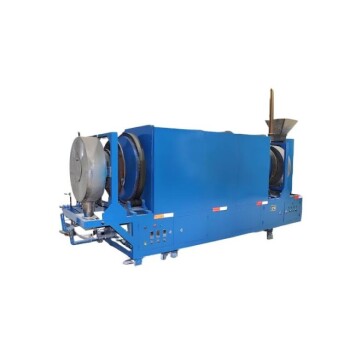
- Electric Rotary Kiln Small Rotary Furnace Biomass Pyrolysis Plant
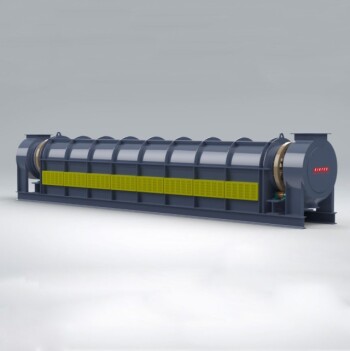
- Electric Rotary Kiln Continuous Working Small Rotary Furnace Heating Pyrolysis Plant
- Electric Rotary Kiln Pyrolysis Furnace Plant Machine Calciner Small Rotary Kiln Rotating Furnace
- Customizable Laboratory High Temperature High Pressure Reactors for Diverse Scientific Applications
- High Pressure Laboratory Autoclave Reactor for Hydrothermal Synthesis
People Also Ask
- What is the temperature of a rotating kiln? It Depends on Your Material and Process Goal
- What are the different types of calciners? A Guide to Selecting the Right Thermal Processing Equipment
- What are the principles of a rotary kiln? Master the Mechanics of High-Temperature Processing
- How are rotary kilns heated? Direct vs. Indirect Heating Methods Explained
- Is rotary kiln a furnace? Discover the Key Differences for Industrial Processing