Planetary ball milling enhances LFP conductivity by utilizing high-energy mechanical grinding to facilitate precise carbon coating modification. Because Lithium Iron Phosphate (LFP) has inherently poor electronic conductivity, this process is critical for uniformly dispersing conductive carbon additives onto the surface of LFP particles. This mechanical action creates the continuous electronic conductive network required for high-performance battery operation.
Core Takeaway LFP creates a bottleneck for electrons due to its naturally insulating properties. The planetary ball mill solves this by using mechanical force to refine particle size and fuse conductive carbon onto the LFP surface, establishing a robust pathway for electron flow that enables high-rate charging and discharging.
The Mechanism of Conductivity Enhancement
Overcoming Intrinsic Limitations
Lithium Iron Phosphate is a robust cathode material, but it suffers from low intrinsic electronic conductivity. Without modification, electrons move too slowly through the material to sustain high-power applications.
The planetary ball mill addresses this "Deep Need" by physically altering the material's microstructure rather than just mixing ingredients.
Uniform Carbon Coating
The primary contribution of the planetary ball mill is the formation of a homogeneous carbon coating.
According to the primary reference, the mill employs high-energy grinding to disperse conductive carbon additives. It forces these additives onto the surface of the LFP particles, creating a uniform conductive layer. This layer acts as a "wire" that allows electrons to travel freely across the surface of the otherwise insulating LFP material.
Establishing a Continuous Network
Conductivity requires continuity. A patchy coating creates dead zones where electrons become trapped.
The intense shear and impact forces of the mill ensure that the carbon distribution is not just localized but forms a continuous electronic conductive network. This network connects individual particles throughout the electrode, which is essential for maintaining performance during high-rate cycles in all-solid-state batteries.
Physical Refinement of the Material
Particle Size Reduction
Beyond coating, the ball mill physically refines the LFP powder.
High-energy mechanical force crushes micron-sized aggregates down to smaller scales. As noted in supporting data regarding LFP processing, this refinement increases the specific surface area of the material.
Shortening Diffusion Paths
Reducing particle size has a direct impact on electrochemical performance.
By breaking down the particles, the mill shortens the distance lithium ions must travel (the solid-phase diffusion path) within the material. While the primary goal is electronic conductivity via carbon, this geometric change facilitates faster ion movement, complementing the improved electron flow.
Intimate Mixing of Precursors
The milling process achieves mixing at a microscopic level.
It blends LFP with carbon precursors (such as polyethylene powder or carbon black) more effectively than simple stirring. This ensures that when the material creates the electrode slurry, the conductive agents are already mechanically bonded to the active material, providing a stable foundation for the final electrode structure.
Understanding the Trade-offs
While planetary ball milling is highly effective, it introduces specific variables that must be managed.
Risk of Over-Milling
Applying too much energy for too long can be detrimental. Excessive impact can damage the crystalline structure of the LFP, potentially leading to amorphization or capacity loss.
Contamination Concerns
The grinding media (the balls and the jar) wear down over time. This can introduce impurities into the LFP mixture, which may negatively affect the electrochemical purity of the final cathode.
Uniformity vs. Structure
There is a balance between achieving a perfect nano-scale mixture and maintaining the structural integrity of the active material. The goal is surface modification, not total structural collapse.
Making the Right Choice for Your Project
The planetary ball mill is a versatile tool, but its parameters should be tuned to your specific objectives.
- If your primary focus is High-Rate Performance: Prioritize longer milling times to achieve maximum particle size reduction and the most continuous carbon network possible, ensuring rapid electron transfer.
- If your primary focus is Cycle Stability: Optimize for a gentler milling speed that ensures uniform carbon coating without compromising the crystalline structure of the LFP core.
- If your primary focus is Manufacturing Consistency: Establish strict protocols for milling duration and media-to-powder ratios to ensure the conductive network is reproducible across different batches.
Ultimately, the planetary ball mill transforms LFP from an insulating powder into a high-performance composite by mechanically enforcing the connection between the active material and the conductive carbon network.
Summary Table:
| Mechanism | Impact on LFP Performance | Benefit for Battery Output |
|---|---|---|
| Carbon Coating | Creates a uniform conductive layer on insulating LFP surfaces | Enables efficient electron flow across particles |
| Size Reduction | Increases specific surface area and reduces diffusion paths | Faster lithium-ion movement and charging rates |
| Mechanical Fusion | Establishes a continuous electronic conductive network | Prevents 'dead zones' for stable high-rate cycling |
| Microscopic Mixing | Ensures intimate contact between LFP and carbon precursors | More stable and reproducible electrode structures |
Elevate Your Battery Research with KINTEK Precision
Unlock the full potential of your Lithium Iron Phosphate (LFP) cathode materials with KINTEK’s high-energy planetary ball mills. Designed for the rigorous demands of battery research and material science, our equipment ensures precise particle size reduction and superior carbon coating modification for maximum electronic conductivity.
Whether you are developing all-solid-state batteries or high-rate power cells, KINTEK provides a comprehensive range of laboratory solutions, including:
- Advanced Crushing & Milling Systems: Planetary ball mills and sieving equipment for uniform powder refinement.
- Sintering & Synthesis: High-temperature muffle, tube, and vacuum furnaces for perfect material calcination.
- Electrode Preparation: Hydraulic pellet presses, isostatic presses, and specialized battery research tools.
- Precision Labware: High-purity ceramics, crucibles, and PTFE consumables to eliminate contamination.
Ready to optimize your material performance? Contact our technical experts today to discover how KINTEK’s specialized laboratory equipment can streamline your workflow and drive innovation in energy storage.
Related Products
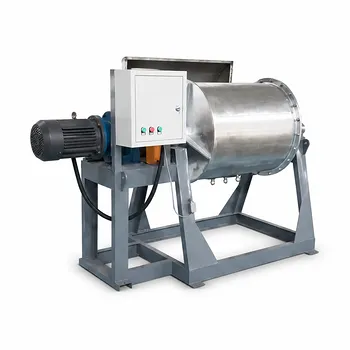
- High Energy Planetary Ball Mill for Laboratory Horizontal Tank Type Milling Machine
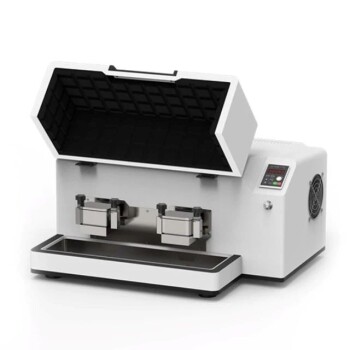
- Laboratory Planetary Ball Mill Rotating Ball Milling Machine
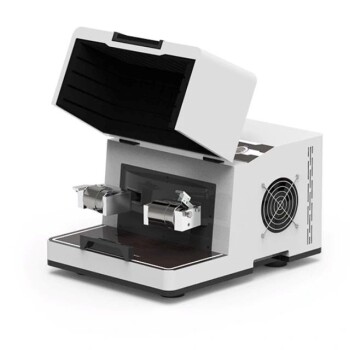
- High-Energy Omnidirectional Planetary Ball Mill Milling Machine for Laboratory
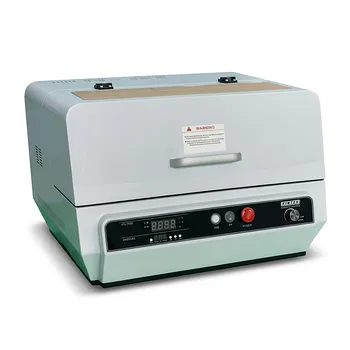
- High Energy Planetary Ball Mill Milling Machine for Laboratory
- Laboratory Horizontal Planetary Ball Mill Milling Machine
People Also Ask
- What is the role of a planetary ball mill in sulfide-based solid-state batteries? Engineer High-Performance Cathodes
- What are the parameters of a planetary ball mill? Master Speed, Time, and Media for Perfect Grinding
- What is the function of a planetary ball mill for nanostructured eutectic steel? Essential Prep for High-Strength Alloys
- What role does a planetary ball mill play in the preparation of NASICON-type solid electrolytes like LATP and LAGP?
- What is the function of a planetary ball mill in solid-state electrolyte prep? Milling vs. SDS Methods Explained