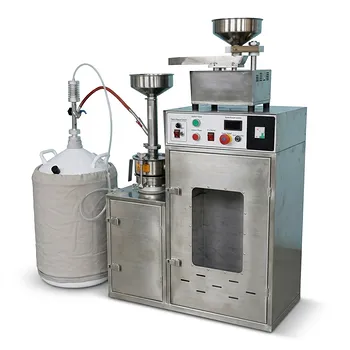
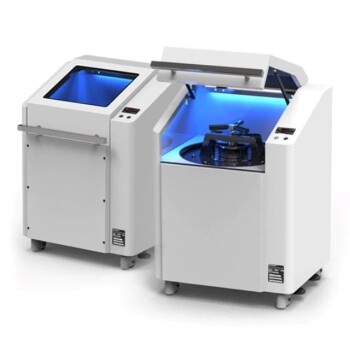
Mechanical crushing serves as a critical physical modification step that shreds bulk Low-Density Polyethylene (LDPE) and Polypropylene (PP) waste into smaller fragments. By significantly increasing the specific surface area of the plastic material, this process maximizes physical contact with the catalyst and optimizes heat transfer efficiency during the subsequent pyrolysis reaction.
The primary objective of crushing is to maximize the reactant's exposure to thermal and chemical processes. This physical transformation is a prerequisite for uniform heat distribution and efficient catalytic interaction, directly accelerating the rate of thermal decomposition.
The Mechanics of Physical Modification
Increasing Specific Surface Area
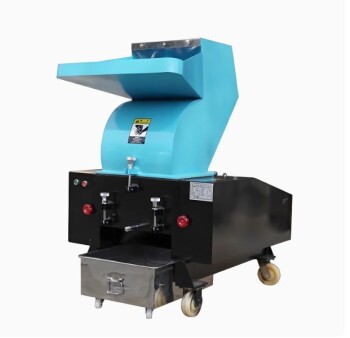
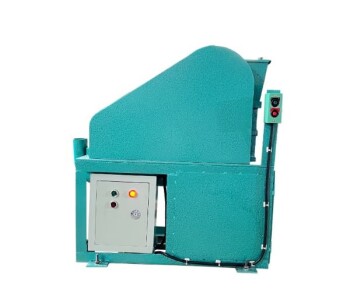
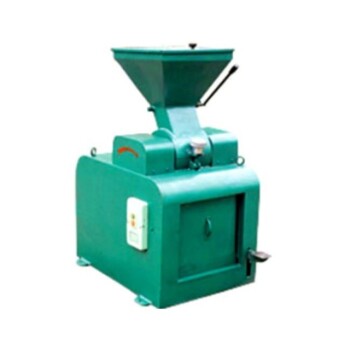
Industrial crushers reduce the physical dimensions of plastic waste, converting large sheets or blocks into small, uniform pieces.
This mechanical shredding drastically increases the specific surface area available for reaction relative to the volume of the material.
Enhancing Catalyst Contact
In catalytic pyrolysis, the efficiency of the breakdown depends heavily on the interaction between the polymer chains and the catalyst surface.
By creating smaller particles with higher surface area, crushing ensures that a greater percentage of the plastic comes into direct contact with the catalyst.
This intimacy between reactants allows the catalyst to lower the activation energy required for decomposition more effectively.
Optimizing Thermal Dynamics
Improving Heat Transfer Efficiency
Plastic polymers like LDPE and PP have low thermal conductivity, making it difficult to heat large masses uniformly.
Crushing the material ensures that heat can penetrate the individual particles rapidly during the pyrolysis phase.
This prevents the formation of temperature gradients (cold spots) inside the reactor, ensuring the plastic melts and vaporizes consistently.
Accelerating Reaction Rates
The combination of rapid heating and maximized catalyst exposure leads to a significantly faster reaction rate.
Because the material reaches the necessary decomposition temperature more quickly, the overall throughput of the pyrolysis system is increased.
Operational Considerations and Trade-offs
Balancing Energy Input and Particle Size
While finer particles generally offer better reaction kinetics, achieving extremely small sizes requires significantly higher energy input during the crushing stage.
Operators must find the optimal balance where the energy spent on mechanical crushing does not outweigh the efficiency gains in the chemical reactor.
Uniformity vs. Fines
The goal of crushing is not just smallness, but consistency.
Inconsistent particle sizes can lead to uneven heating, where smaller particles decompose too fast (potentially creating char) while larger particles remain unreacted.
However, generating excessive "fines" (dust-like particles) can cause handling issues or clog downstream filtration systems, requiring careful calibration of the crusher's shear forces.
Making the Right Choice for Your Goal
To maximize the efficiency of your LDPE and PP pyrolysis process, consider your specific operational targets:
- If your primary focus is Reaction Speed: Prioritize a finer grind to maximize specific surface area, ensuring rapid heat absorption and immediate catalytic engagement.
- If your primary focus is Energy Efficiency: Target a coarser, uniform particle size that provides adequate heat transfer without overburdening the crushing equipment.
Successful pretreatment is not just about breaking material down; it is about preparing the feedstock to accept heat and catalysis with maximum efficiency.
Summary Table:
| Process Objective | Mechanism | Key Benefit for Pyrolysis |
|---|---|---|
| Surface Area Increase | Mechanical shredding into small fragments | Maximizes physical contact with catalysts |
| Thermal Optimization | Rapid heat penetration into particles | Eliminates cold spots & ensures uniform melting |
| Reaction Kinetics | Lowering activation energy requirements | Accelerates decomposition rates & throughput |
| Feedstock Uniformity | Consistent particle sizing | Prevents char formation and unreacted material |
Optimize Your Pyrolysis Efficiency with KINTEK Precision Equipment
Unlock the full potential of your LDPE and PP waste conversion with KINTEK’s high-performance crushing and milling systems. As specialists in laboratory and industrial material processing, we understand that superior pretreatment is the foundation of effective catalytic pyrolysis.
Beyond crushing, KINTEK offers a comprehensive range of solutions for thermal research and material science, including:
- High-Temperature Furnaces: Muffle, vacuum, and atmosphere furnaces for precise thermal decomposition.
- Catalytic Research Tools: High-temperature high-pressure reactors, autoclaves, and specialized electrolytic cells.
- Sample Preparation: Hydraulic pellet presses, sieving equipment, and durable ceramic crucibles.
Whether you are focusing on maximizing reaction speed or balancing energy efficiency, our expert team is ready to provide the high-quality equipment and consumables required to streamline your lab's workflow.
Enhance your research outcomes today—Contact our specialists now to find the perfect solution for your laboratory!
References
- Sunday Ogakwu Adoga, Patrick Ode. Catalytic pyrolysis of low density polyethylene and polypropylene wastes to fuel oils by N-clay. DOI: 10.2478/auoc-2022-0007
This article is also based on technical information from Kintek Solution Knowledge Base .
Related Products
- Powerful Plastic Crusher Machine
- Sealed Jaw Crusher High Efficiency Environmental Protection Safe and Reliable
- Laboratory Jaw Crusher
- Open Type Two Roll Mixing Mill Machine for Rubber Crusher
- Laboratory Sealed Hammer Crusher for Efficient Sample Preparation
People Also Ask
- What is the primary purpose of using an industrial-grade grinder for flax straw? Optimize Biomass Pretreatment Now
- What is the primary function of a crushing system? Optimize Rice Husk Fractionation with Precise Size Reduction
- What is the primary function of industrial crushers in battery dismantling? Optimize Your Recovery Feedstock
- What are the contaminants in plastic pyrolysis oil? Manage Impurities for Commercial Success
- Why is it necessary to use an ultrasonic cell disruptor before yeast flow cytometry? Ensure Data Accuracy