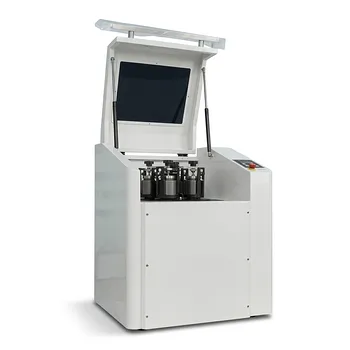
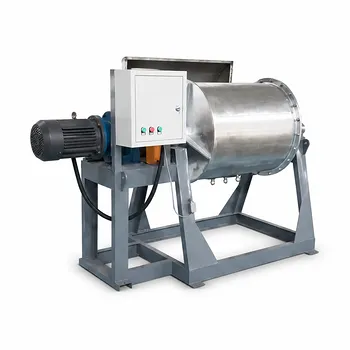
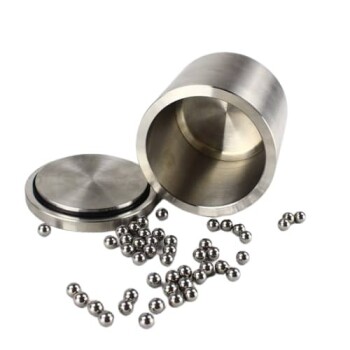
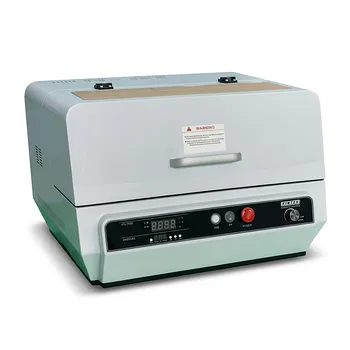
Planetary ball milling serves as a versatile synthesis platform by generating a high-energy environment that effectively overcomes the reaction energy barriers associated with developing sodium-ion solid-state electrolytes.
Specifically for oxyhalides like NaNbOCl4 and NaTaOCl4, this versatility enables the use of diverse sodium precursors—including NaOH, Na2O, or NaCl—to react with metal chlorides within the same equipment setup. This allows researchers to bypass complex thermal limitations and rapidly screen new material formulations.
Core Takeaway By utilizing high-energy impact and shear forces, a planetary ball mill acts as a "mechanochemical reactor" that drives solid-state reactions at room temperature. Its primary value lies in its ability to synthesize electrolytes with varying anionic ratios and crystalline states using a single, adaptable workflow, significantly accelerating materials discovery.
Unlocking Precursor Flexibility
The defining characteristic of the planetary ball mill in this context is its ability to handle a wide range of starting materials without requiring changes to the hardware.
Overcoming Kinetic Barriers
Standard synthesis methods often require specific chemical compatibilities or high temperatures to initiate reactions.
Planetary ball mills generate intense kinetic energy through centrifugal force. This energy effectively bridges the reaction energy barrier between metal chlorides and various sodium sources.
Diverse Sodium Source Compatibility
This high-energy environment allows for the successful processing of distinct precursors, such as:
- NaOH (Sodium Hydroxide)
- Na2O (Sodium Oxide)
- NaCl (Sodium Chloride)
The ability to switch between these sources allows researchers to optimize cost, availability, and chemical stability during the synthesis of NaNbOCl4 and NaTaOCl4.
Precision Control Over Material States
Beyond simple mixing, the planetary ball mill offers precise control over the structural properties of the final electrolyte.
Tuning Anionic Ratios
The synthesis of oxyhalides requires a delicate balance between oxygen and halide components.
Because the mill provides a controlled, closed system, researchers can easily adjust the stoichiometry of the input materials. This facilitates the rapid synthesis of electrolytes with different anionic ratios to fine-tune ionic conductivity.
Manipulating Crystalline Structures
The mechanical intensity of the milling process can be adjusted to dictate the phase of the material.
The process can drive the formation of specific crystalline states or induce amorphization (creating a glass-like structure). This eliminates the need for high-temperature sintering, which is often required to achieve similar phases in traditional ceramic processing.
Accelerating Materials Discovery
The versatility of the planetary ball mill transforms the research workflow for solid-state batteries.
Single-Platform Screening
Researchers can use the same equipment to produce a wide library of materials.
By varying precursors and milling parameters, the mill serves as a rapid screening tool. This accelerates the discovery of optimal compositions for sodium-based oxyhalide electrolytes.
Simplifying the Process
Traditional methods often involve multi-step processes including dissolving, drying, and calcining.
Planetary ball milling often enables one-step mechanochemical synthesis. This directly triggers the solid-state reaction, reducing the time and complexity involved in developing new electrolyte candidates.
Understanding the Trade-offs
While the planetary ball mill is a powerful tool for synthesis, it introduces specific challenges that must be managed.
Residual Stress Accumulation
The same high-energy impact that drives reactions can physically damage the material structure.
Mechanochemical synthesis can introduce residual stress into the electrolyte powders. While the particle size is refined, this internal stress may negatively impact the long-term performance and stability of the battery compared to methods that allow for thermal relaxation.
Scalability and Uniformity
Achieving atomic-level mixing is a key advantage, but consistency can vary.
While effective for lab-scale screening, ensuring the uniformity of the reaction precursor across larger batches can be challenging. Incomplete reactions or agglomeration can occur if the milling energy is not distributed evenly throughout the jar.
Making the Right Choice for Your Goal
When developing NaNbOCl4 or NaTaOCl4 electrolytes, use the planetary ball mill strategically based on your development stage.
- If your primary focus is Rapid Screening: Utilize the mill's compatibility with various precursors (NaOH, NaCl, Na2O) to quickly identify the most conductive chemical formulations.
- If your primary focus is Phase Control: Leverage the mill's variable energy input to synthesize and compare amorphous versus crystalline states without the interference of high heat.
- If your primary focus is Battery Longevity: Be cautious of residual stress; consider a post-milling annealing step to relieve internal material strain induced by the grinding media.
Ultimately, the planetary ball mill is not just a grinder, but a tunable reactor that decouples chemical synthesis from thermal processing.
Summary Table:
| Feature | Mechanochemical Benefit in Electrolyte Synthesis |
|---|---|
| Precursor Flexibility | Compatible with NaOH, Na2O, and NaCl sources |
| Energy Source | High-energy kinetic impact & shear forces vs. thermal heat |
| Structural Control | Ability to tune crystalline states or induce amorphization |
| Process Efficiency | One-step synthesis bypassing dissolution and calcining |
| Key Outcome | Rapid screening of oxyhalide compositions like NaNbOCl4 |
Elevate Your Materials Research with KINTEK
Unlock the full potential of your sodium-ion battery development with KINTEK’s high-performance laboratory solutions. From planetary ball mills and crushing systems that ensure precise mechanochemical synthesis to our specialized glovebox-compatible equipment and solid-state battery consumables, we provide the tools necessary to drive innovation.
Why Choose KINTEK?
- Versatile Synthesis: Our milling and grinding systems offer the energy density required to overcome reaction barriers at room temperature.
- Comprehensive Range: Explore our hydraulic presses, high-temperature furnaces, and PTFE consumables designed for rigorous lab environments.
- Expert Support: We specialize in equipment for advanced energy research, ensuring your lab is equipped for the next generation of electrolyte discovery.
Ready to accelerate your workflow? Contact KINTEK today to find the perfect equipment for your lab!
Related Products
- High Energy Planetary Ball Mill for Laboratory Horizontal Tank Type Milling Machine
- Laboratory Planetary Ball Mill Rotating Ball Milling Machine
- High-Energy Omnidirectional Planetary Ball Mill Milling Machine for Laboratory
- High Energy Planetary Ball Mill Milling Machine for Laboratory
- Laboratory Horizontal Planetary Ball Mill Milling Machine
People Also Ask
- What is the role of a planetary ball mill in sulfide-based solid-state batteries? Engineer High-Performance Cathodes
- What are the parameters of a planetary ball mill? Master Speed, Time, and Media for Perfect Grinding
- What is the function of a planetary ball mill for nanostructured eutectic steel? Essential Prep for High-Strength Alloys
- What role does a planetary ball mill play in the preparation of NASICON-type solid electrolytes like LATP and LAGP?
- What is the function of a planetary ball mill in solid-state electrolyte prep? Milling vs. SDS Methods Explained