An electrochemical workstation acts as the central analytical engine for evaluating the performance and viability of Ti/Ta2O5–IrO2 electrodes. By executing specialized measurement techniques—specifically Linear Sweep Voltammetry (LSV), Cyclic Voltammetry (CV), and Tafel curve analysis—the workstation quantifies critical parameters such as chlorine evolution potential and electrochemical active surface area. This precise data collection is the primary method for verifying the electrode's physical stability and optimizing its degradation parameters for practical use.
The electrochemical workstation bridges the gap between material fabrication and practical application. It moves beyond simple observation to rigorously test the electrode's limits, defining exactly how well it resists corrosion and how efficiently it drives chemical reactions.
Quantifying Catalytic Performance
To determine if a Ti/Ta2O5–IrO2 electrode is effective, researchers must understand its catalytic behavior. The workstation provides the specific methodologies to measure this.
Linear Sweep Voltammetry (LSV)
The workstation uses LSV to apply a linearly varying potential to the electrode. This test is crucial for identifying the chlorine evolution potential.
Defining Reaction Thresholds
By identifying the chlorine evolution potential, researchers can pinpoint the exact voltage at which the electrode begins to facilitate the desired chemical reaction. This metric is the baseline for assessing the electrode's energy efficiency.
Optimizing Degradation Parameters
Once the reaction thresholds are known, the workstation’s data allows for the optimization of degradation parameters. This ensures the electrode operates within a range that maximizes performance without unnecessary wear.
Characterizing Surface and Structure
Performance is not just about material composition; it is about how much of that material is actually available to react.
Cyclic Voltammetry (CV)
The workstation employs Cyclic Voltammetry to cycle the potential back and forth. This technique is the standard for analyzing the electrode's electrochemical properties in dynamic states.
Calculating Active Surface Area
The primary output of CV analysis in this context is the determination of the effective electrochemical active surface area. This reveals the density of active sites available for catalysis, which is often different from the geometric surface area.
Verifying Physical Stability
By monitoring changes in the voltammograms over time, the workstation helps verify the physical stability of the coating. A stable active surface area indicates a robust electrode structure that resists delamination or physical breakdown.
Assessing Durability and Lifespan
For an electrode to be commercially viable, it must withstand harsh chemical environments. The workstation predicts longevity through specific corrosion tests.
Tafel Curve Analysis
The workstation generates Tafel plots to analyze the kinetics of the electrode's surface reactions. This is the primary method for determining corrosion potential.
Predicting Chemical Stability
The data derived from Tafel analysis provides a direct insight into the chemical stability of the Ti/Ta2O5–IrO2 material. It helps researchers predict how quickly the electrode might degrade when exposed to corrosive electrolytes.
Understanding the Limitations
While an electrochemical workstation is powerful, relying solely on its data requires context.
Idealized Conditions vs. Reality
Workstation tests are often performed in controlled, ideal electrolytes. These conditions may not perfectly mimic the complex, fluctuating chemistry of real-world industrial wastewater or operating environments.
The Complexity of Interpretation
Techniques like LSV and Tafel analysis yield complex data sets. Accurately interpreting the corrosion potential requires not just the machine's output, but a deep understanding of the specific electrochemical kinetics of Iridium Oxide (IrO2) and Tantalum Pentoxide (Ta2O5).
Making the Right Choice for Your Goal
To get the most value from your evaluation, tailor your focus based on your specific development objectives.
- If your primary focus is Energy Efficiency: Prioritize Linear Sweep Voltammetry (LSV) to accurately determine the lowest possible chlorine evolution potential.
- If your primary focus is Long-term Durability: Prioritize Tafel curve analysis to identify the corrosion potential and ensure maximum chemical stability.
- If your primary focus is Manufacturing Quality: Prioritize Cyclic Voltammetry (CV) to verify consistency in the effective electrochemical active surface area across different batches.
The electrochemical workstation is the definitive tool for transforming a theoretical material composition into a verified, high-performance electrode.
Summary Table:
| Measurement Technique | Key Parameter Measured | Performance Insight Provided |
|---|---|---|
| Linear Sweep Voltammetry (LSV) | Chlorine Evolution Potential | Energy efficiency & reaction thresholds |
| Cyclic Voltammetry (CV) | Electrochemical Active Surface Area | Catalyst density & physical coating stability |
| Tafel Curve Analysis | Corrosion Potential | Kinetic behavior & long-term chemical stability |
| Degradation Testing | Voltage/Current Stability | Operational lifespan & durability under stress |
Elevate Your Electrochemical Research with KINTEK
Precise electrode evaluation requires more than just high-quality materials—it demands the right tools. KINTEK specializes in providing advanced laboratory equipment, including high-performance electrolytic cells and electrodes, tailored for demanding research and industrial applications. Whether you are optimizing Ti/Ta2O5–IrO2 electrodes or developing next-generation energy solutions, our comprehensive range of high-temperature furnaces, hydraulic presses, and battery research tools ensures your lab operates at peak efficiency.
Ready to optimize your electrode performance? Contact us today to discover how KINTEK’s specialized consumables and analytical hardware can empower your next breakthrough.
References
- Jinrui Liu, Xuan Zhang. Electrochemical degradation of acrylic acid using Ti/Ta<sub>2</sub>O<sub>5</sub>–IrO<sub>2</sub> electrode. DOI: 10.1039/d3ra01997g
This article is also based on technical information from Kintek Solution Knowledge Base .
Related Products
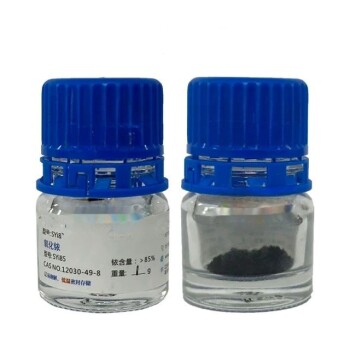
- Iridium Dioxide IrO2 for Water Electrolysis
- Gold Disc Electrode
- Electrode Polishing Material for Electrochemical Experiments
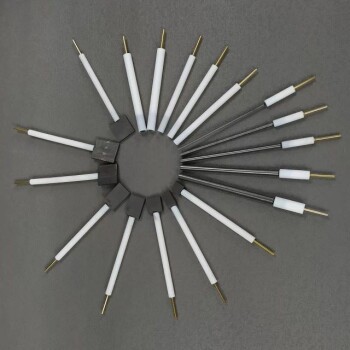
- Graphite Disc Rod and Sheet Electrode Electrochemical Graphite Electrode
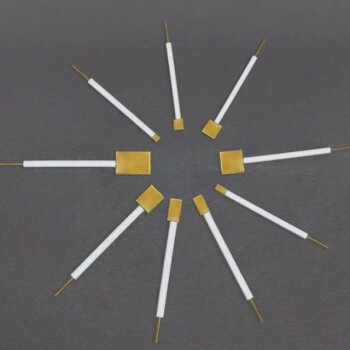
- Gold Electrochemical Sheet Electrode Gold Electrode
People Also Ask
- What advantages does supercritical fluid technology provide for Iridium catalysts? Achieve Precision Nano-Synthesis
- What are the different types of catalysts used in pyrolysis? A Guide to Optimizing Biomass Conversion
- How does catalyst work in pyrolysis? A Guide to Efficient and Selective Fuel Production
- Which catalyst is used in pyrolysis process? Choosing the Right Catalyst for Your Feedstock
- What is the best catalyst for pyrolysis? A Strategic Guide to Maximizing Bio-Oil Quality and Yield