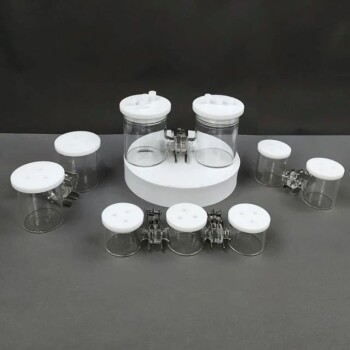
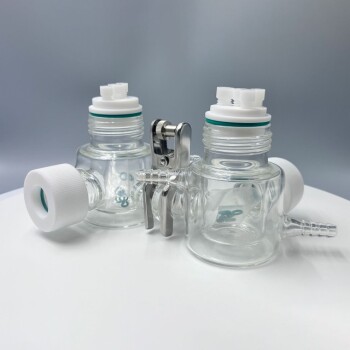
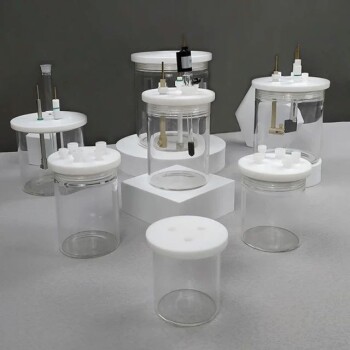
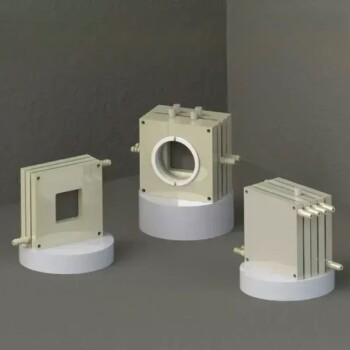
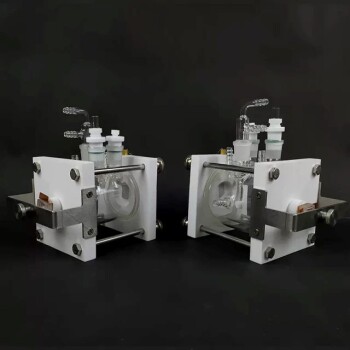
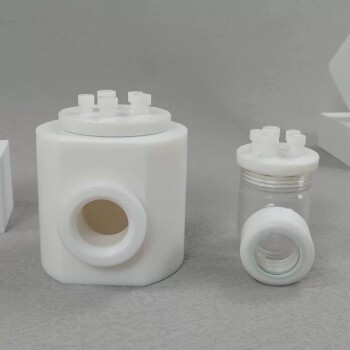
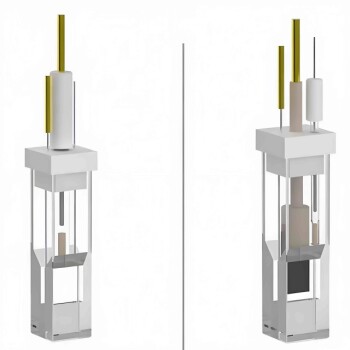
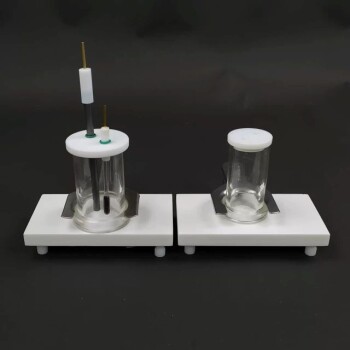
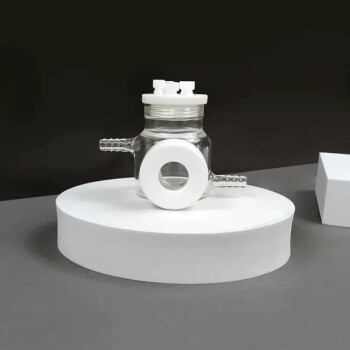
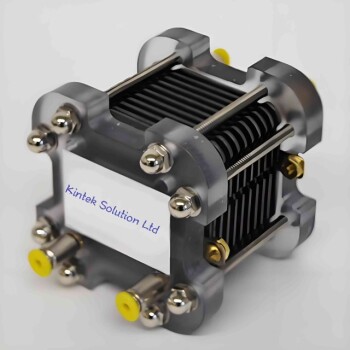
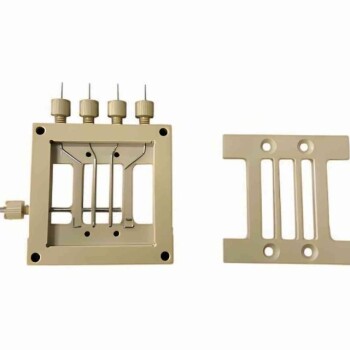
High-pressure split electrolytic cells and mold consumables act as the critical mechanical containment system required to stabilize anode-free battery testing. These specialized components solve the fundamental problem of maintaining hermetic sealing and electrical insulation while subjecting the battery chemistry to the immense external pressures needed to regulate lithium metal behavior.
Core Takeaway: The defining challenge of anode-free batteries is the massive volume expansion of the lithium anode during cycling. High-pressure split cells address this by providing a rigid, corrosion-resistant environment that physically constrains expansion and prevents internal short circuits, ensuring data reflects chemical performance rather than mechanical failure.
Addressing Mechanical Volatility
The primary function of these components is to manage the physical instability inherent in anode-free chemistries. Standard test cells often fail under the mechanical stress generated by these systems.
Accommodating Volume Expansion
Anode-free batteries experience substantial volume changes as lithium plates and strips.
The cell hardware is engineered to withstand this expansion. It provides a robust housing that accommodates the physical growth of the anode without deforming or losing structural integrity.
Enforcing a Controlled Pressure Environment
Electrochemical reactions in anode-free systems require specific pressure conditions to function correctly.
These split cells allow researchers to apply and maintain high external pressures. This ensures that the internal electrochemical reactions occur within a controlled environment, which is essential for uniform lithium deposition.
Ensuring Electrochemical Integrity
Beyond mechanical support, the cell design addresses the risk of electrical failure, which is heightened under high-pressure conditions.
Maintaining Internal Sealing
As pressure increases, the risk of leakage or seal failure rises.
These consumables are designed to maintain a perfect internal seal even under high stress. This prevents the electrolyte from leaking and protects the internal chemistry from external contaminants.
Preventing Internal Short Circuits
The combination of high pressure and metal components creates a risk of electrical shorts.
Split cells utilize specific geometries and insulating layers to isolate the anode from the cathode. This design prevents internal short circuits that would otherwise ruin the test and potentially damage equipment.
Critical Material Trade-offs
When selecting or designing these cells, there is a necessary balance between mechanical strength and chemical inertness.
The Strength vs. Insulation Balance To withstand high pressure, metal is often the preferred structural material. However, metal is conductive and prone to corrosion.
The Solution and Limitation To solve this, the reference highlights the use of PEEK (a high-performance plastic) or metal lined with insulating layers. The trade-off is complexity: metal cells provide superior strength but require flawless insulating liners to prevent shorts, whereas PEEK offers excellent insulation and corrosion resistance but may have lower ultimate pressure limits compared to solid steel.
Making the Right Choice for Your Goal
The specific configuration of your split cell or mold consumable should depend on the primary failure mode you are trying to eliminate.
- If your primary focus is preventing short circuits: Prioritize cells constructed from PEEK, as its intrinsic insulating properties reduce the reliance on complex liners.
- If your primary focus is managing extreme volume expansion: Prioritize metal cells with robust insulating liners, as they offer the highest tensile strength to constrain substantial anode growth.
Success in anode-free development relies on hardware that provides unyielding mechanical support while remaining chemically invisible.
Summary Table:
| Problem Addressed | High-Pressure Cell Solution | Impact on Testing |
|---|---|---|
| Volume Expansion | Rigid structural housing & physical constraint | Prevents deformation and mechanical failure |
| Non-Uniform Plating | Controlled high-pressure environment | Ensures dense, uniform lithium deposition |
| Electrolyte Leakage | Hermetic sealing under high stress | Maintains chemical purity and safety |
| Short Circuits | Insulating PEEK or lined-metal geometries | Prevents electrical failure during high-pressure cycles |
Maximize Your Battery Research Precision with KINTEK
Overcome the mechanical hurdles of anode-free battery development with KINTEK’s specialized testing solutions. We provide high-performance high-pressure split electrolytic cells and mold consumables designed to withstand extreme volume changes while maintaining perfect electrical insulation.
Whether you require PEEK components for superior chemical inertness or metal-lined cells for maximum pressure tolerance, KINTEK offers the comprehensive range of laboratory equipment and consumables needed for cutting-edge energy research—including battery research tools, electrolytic cells and electrodes, and high-temperature furnaces.
Ready to stabilize your testing environment? Contact our experts today to find the perfect hardware for your laboratory needs.
Related Products
- Customizable PEM Electrolysis Cells for Diverse Research Applications
- H Type Electrolytic Cell Triple Electrochemical Cell
- PTFE Electrolytic Cell Electrochemical Cell Corrosion-Resistant Sealed and Non-Sealed
- H-Type Double-Layer Optical Electrolytic Electrochemical Cell with Water Bath
- Electrolytic Electrochemical Cell with Five-Port
People Also Ask
- What are the risks of improper voltage control in an electrolysis cell? Avoid Costly Damage and Inefficiency
- What are the opening configurations for the non-sealed and sealed versions of the electrolysis cell? Optimize Your Electrochemical Setup
- What is an electrolysis cell? A Guide to Driving Chemical Reactions with Electricity
- What parameters must be strictly controlled during the electrolysis process? Ensure Precision and Efficiency
- What are the precautions for heating or sterilizing an electrolysis cell? Avoid Damaging Sensitive Components