PTFE emulsion is a critical multifunctional additive in air electrode fabrication. It functions simultaneously as a structural binder and a hydrophobic regulator. By creating a fibrous network, it anchors catalysts to the current collector while preventing the electrolyte from flooding gas channels, thereby maintaining the essential three-phase interface required for efficient oxygen reduction reactions.
PTFE emulsion ensures air electrode longevity and efficiency by balancing structural cohesion with moisture management. Its ability to create a breathable, waterproof network is the key to preventing "electrode flooding" while allowing oxygen to reach active catalyst sites.
The Dual Role of PTFE in Air Electrodes
Structural Binding and Mechanical Integrity
PTFE emulsion acts as a high-efficiency binder that holds the electrode's active materials together. During processing, the PTFE particles deform to form a fibrous network that securely anchors active carbon powder and conductive additives.
This network prevents the electrode from pulverizing or shedding during the physical stresses of repeated charge-discharge cycles. By securing these materials to the current collector, PTFE ensures the structural integrity necessary for a long cycle life.
Creating the Breathable Hydrophobic Network
Beyond its role as a glue, PTFE is a powerful hydrophobic modifier. It constructs a waterproof but breathable architecture within the gas diffusion and catalyst layers.
This network prevents the aqueous electrolyte, such as 6 mol/L KOH, from leaking out or saturating the electrode's internal pores. By keeping these channels open, PTFE ensures that atmospheric oxygen can permeate deeply into the catalyst layer.
Optimizing the Three-Phase Interface
Maximizing the Oxygen Reduction Reaction (ORR)
The performance of an air electrode depends on the three-phase interface, where the solid catalyst, liquid electrolyte, and gaseous oxygen meet. PTFE content must be precisely calibrated to balance hydrophobicity and hydrophilicity.
If the electrode is too hydrophilic, it floods and blocks gas transport; if it is too hydrophobic, the electrolyte cannot reach the catalyst. Finding the optimal PTFE ratio maximizes the ORR rate and overall battery efficiency.
Chemical Inertness in Harsh Environments
The strength of the C-F (carbon-fluorine) bond provides PTFE with extraordinary chemical stability. It remains completely inert when exposed to the strong acids, bases, and oxidants common in battery chemistries.
This stability allows the electrode to operate at high temperatures (up to 250°C) without degrading. It ensures that the hydrophobic and structural properties of the electrode remain constant over months or years of operation.
Understanding the Trade-offs and Pitfalls
The Impact of Electrical Resistance
While PTFE is excellent for moisture management, it is an electrical insulator. Excessive use of PTFE emulsion can significantly increase the internal resistance of the electrode.
If the PTFE concentration is too high, it may "insulate" the catalyst particles from the conductive network. This reduces the effective surface area available for the electrochemical reaction and drops the voltage output.
Blocking Active Catalyst Sites
Poorly distributed PTFE can form a dense film over the catalyst rather than a porous network. This film formation can physically block the catalyst’s active sites from both the electrolyte and the oxygen.
To avoid this, manufacturers must use specific mixing and curing techniques to ensure the PTFE "fibrillates" into threads rather than coating the entire surface of the active material.
How to Apply This to Your Project
When selecting or applying PTFE emulsion for electrode development, your strategy should change based on your performance targets:
- If your primary focus is high power density: Minimize PTFE content to the lowest stable level to reduce electrical resistance and maximize active site exposure.
- If your primary focus is long-term cycle life: Prioritize a higher PTFE concentration to ensure mechanical durability and prevent gradual electrolyte flooding over time.
- If your primary focus is operation in extreme temperatures: Leverage PTFE’s thermal stability, but ensure the binder is properly cured to prevent delamination during thermal expansion.
Properly managed PTFE levels transform a simple carbon layer into a sophisticated, high-performance electrochemical gateway.
Summary Table:
| Feature | Primary Role | Impact on Performance |
|---|---|---|
| Structural Binder | Creates a fibrous network | Ensures mechanical integrity and prevents material shedding |
| Hydrophobic Regulator | Constructs waterproof channels | Prevents electrolyte flooding while allowing oxygen diffusion |
| Interface Optimizer | Maintains 3-phase interface | Maximizes the Oxygen Reduction Reaction (ORR) efficiency |
| Chemical Stability | Resists acids and bases | Ensures longevity in harsh battery environments up to 250°C |
Elevate Your Battery Research with KINTEK Precision
Achieving the perfect balance in air electrode fabrication requires high-quality materials and reliable equipment. KINTEK specializes in premium laboratory consumables and equipment, including high-grade PTFE products, ceramics, and crucibles essential for advanced material science.
Whether you are refining the three-phase interface or scaling up production, we offer the tools you need—from hydraulic pellet presses for electrode forming to high-temperature furnaces and electrolytic cells for rigorous testing.
Ready to optimize your lab's efficiency? Contact us today to discuss your specific requirements and discover how KINTEK’s comprehensive portfolio can accelerate your research breakthroughs.
References
- Lulu Chai, Junqing Pan. Bimetallic‐MOF Derived Carbon with Single Pt Anchored C4 Atomic Group Constructing Super Fuel Cell with Ultrahigh Power Density And Self‐Change Ability. DOI: 10.1002/adma.202308989
This article is also based on technical information from Kintek Solution Knowledge Base .
Related Products
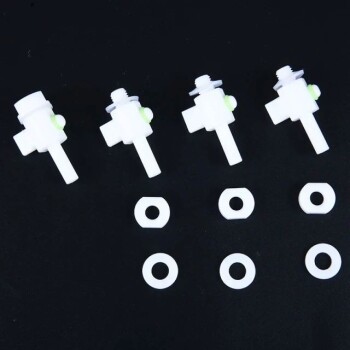
- Custom PTFE Teflon Parts Manufacturer for Air Valve Applications
- PTFE Electrolytic Cell Electrochemical Cell Corrosion-Resistant Sealed and Non-Sealed
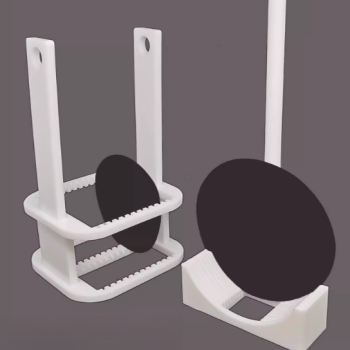
- Customizable PTFE Wafer Carriers for Semiconductor and Lab Applications
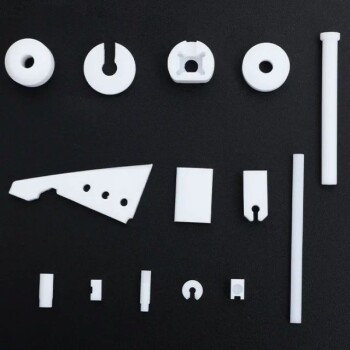
- Custom PTFE Teflon Parts Manufacturer for Non-Standard Insulator Customization
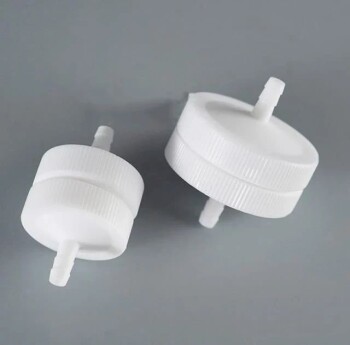
- Custom PTFE Teflon Parts Manufacturer for Sampling Filters
People Also Ask
- What are the specific applications of PTFE in micro-batch slug flow systems? Enhance Your Microfluidic Reaction Purity
- How is PTFE utilized for insulation in Alloy 22 corrosion setups? Ensure Signal Purity & Accuracy
- Is PTFE corrosion resistant? Discover the Ultimate Chemical Resistance for Your Lab
- What is the function of PTFE in a gas diffusion electrode? Mastering CO2 Electrolyzer Stability
- What is the primary function of PTFE in Gas Diffusion Electrodes (GDE)? Ensure Peak Electrochemical Performance