Polytetrafluoroethylene (PTFE) seals provide superior chemical resistance and structural integrity compared to standard elastomeric options. When handling high-pressure carbon dioxide, they offer immunity to the corrosive effects of CO2-saturated solutions and resist the physical swelling that often compromises rubber seals under pressure. This ensures reliable, zero-leakage performance even in demanding reactor environments.
The primary value of PTFE in high-pressure CO2 applications lies in its chemical inertness; unlike rubber, it withstands acidic environments without degrading or swelling, ensuring long-term seal integrity across varying temperatures.
Chemical Stability in Acidic Environments
Resistance to Saturated Solutions
High-pressure carbon dioxide systems often involve moisture, leading to the formation of acidic solutions. PTFE is chemically inert, meaning it does not react with these substances. This allows the seals to withstand long-term exposure to highly acidic, carbon dioxide-saturated fluids without breaking down.
Preventing Corrosion
Standard materials often corrode or degrade when exposed to the aggressive chemical nature of high-pressure CO2 mixtures. PTFE offers excellent corrosion resistance, acting as a robust barrier that maintains the containment integrity of the system over extended periods.
Mechanical Performance Under Pressure
Eliminating Material Swelling
One of the most critical failure modes in high-pressure gas applications is the absorption of gas into the seal material. Unlike standard rubber seals, PTFE is resistant to swelling. It maintains its dimensional stability even under the immense stress of high-pressure environments.
Preventing Degradation
Pressure fluctuations and gas saturation can cause softer materials to degrade physically. PTFE maintains its structural composition, preventing the material fatigue and breakdown that typically leads to seal failure in elastomeric alternatives.
Operational Versatility
Wide Temperature Tolerance
Industrial processes involving carbon dioxide often span a significant thermal range. PTFE maintains its performance characteristics across a wide temperature range, ensuring the seal remains effective regardless of thermal cycling or extreme operating conditions.
Zero-Leakage Connections
In high-pressure column reactors, the integrity of connection flanges is paramount. PTFE ensures zero-leakage sealing at these critical junctures, preventing the escape of pressurized gas and ensuring the safety and efficiency of the reactor.
Understanding Material Limitations
The Risks of Standard Rubber
While PTFE is robust, it is important to understand why it is chosen over alternatives. Standard rubber seals are prone to swelling and degradation in high-pressure CO2 environments.
The Consequence of Wrong Selection
Choosing a standard elastomer instead of PTFE can lead to rapid seal failure. The absorption of CO2 causes rubber to expand, compromising the seal geometry and potentially leading to catastrophic leaks in connection flanges.
Making the Right Choice for Your Goal
Selecting the correct sealing material is dictated by the specific stresses your equipment will encounter.
- If your primary focus is Chemical Resistance: Choose PTFE to ensure immunity against corrosion from acidic, CO2-saturated solutions.
- If your primary focus is Structural Integrity: Choose PTFE to avoid the swelling and physical degradation common in standard rubber seals under high pressure.
By prioritizing chemical inertness and dimensional stability, you ensure the longevity and safety of your high-pressure systems.
Summary Table:
| Feature | PTFE Seals | Standard Rubber/Elastomers |
|---|---|---|
| Chemical Resistance | Excellent (Inert to CO2/acidic solutions) | Poor (Prone to corrosion and degradation) |
| Swelling Resistance | High (Maintains dimensional stability) | Low (Significant absorption/swelling) |
| Temperature Range | Very Wide (-200°C to +260°C) | Limited (Variable by compound) |
| Leakage Risk | Zero-leakage performance | High risk due to material fatigue |
| Long-term Durability | Exceptional in aggressive media | Prone to rapid failure in high-pressure gas |
Ensure Maximum Safety and Efficiency in Your High-Pressure Research
Don't let seal failure compromise your critical experiments. KINTEK specializes in high-performance laboratory solutions designed for the most demanding environments. Whether you are working with high-temperature high-pressure reactors and autoclaves, or require specialized PTFE consumables, ceramics, and crucibles, our team provides the engineering expertise you need.
From advanced battery research tools to precise crushing and milling systems, KINTEK empowers researchers with equipment that withstands extreme chemical and mechanical stress.
Upgrade your lab infrastructure with KINTEK's superior PTFE technology — Contact our experts today to find the perfect fit for your application!
References
- Iwona Gałeczka, S.R. Gíslason. A novel high pressure column flow reactor for experimental studies of CO2 mineral storage. DOI: 10.1016/j.apgeochem.2012.08.010
This article is also based on technical information from Kintek Solution Knowledge Base .
Related Products
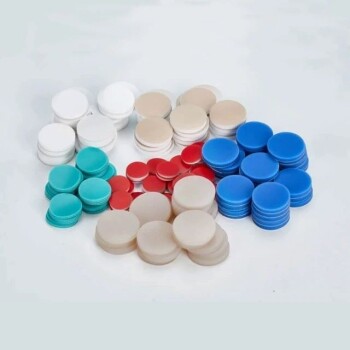
- Custom PTFE Teflon Parts Manufacturer for Gaskets and More
- PTFE Electrolytic Cell Electrochemical Cell Corrosion-Resistant Sealed and Non-Sealed
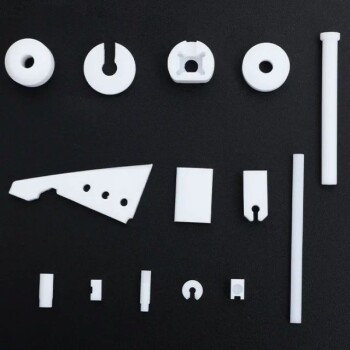
- Custom PTFE Teflon Parts Manufacturer for Non-Standard Insulator Customization
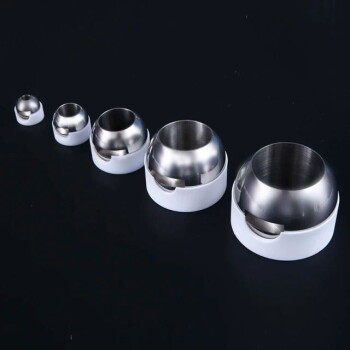
- Custom PTFE Teflon Parts Manufacturer for PTFE Ball Valve Seat
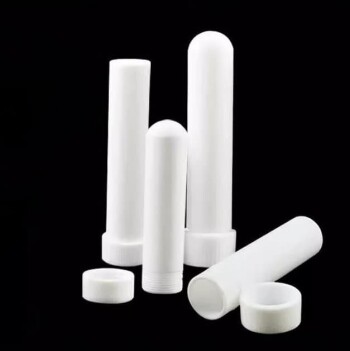
- Custom PTFE Teflon Parts Manufacturer for Centrifuge Tubes
People Also Ask
- What are the critical functions of Polytetrafluoroethylene (PTFE) gaskets within a glow discharge unit? Enhance Precision
- How are PTFE gaskets utilized for POEGMA electrolyte conductivity? Ensure Precision in Electrochemical Measurements
- What is the purpose of using PTFE gaskets in fuel cell test fixtures? Ensure Seal Purity and Data Integrity
- What protective roles do Sealing Gaskets and Support Grids play in oil-water separation? Ensure High-Pressure Integrity
- What is the function of Polytetrafluoroethylene (PTFE) sleeves and gaskets? Ensure Precise Corrosion Testing Accuracy