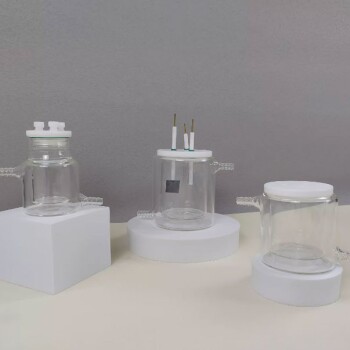
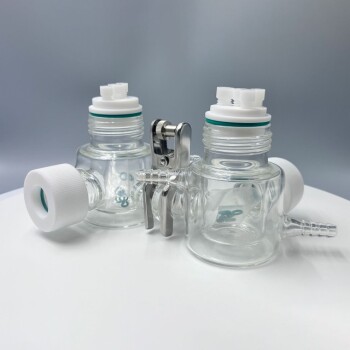
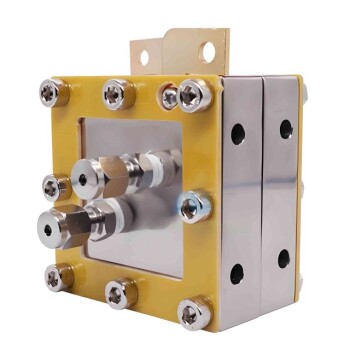
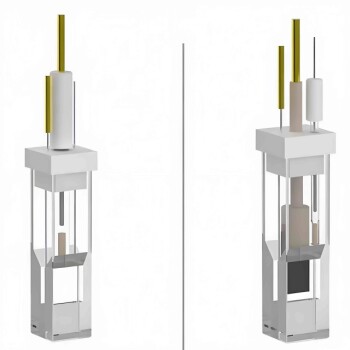
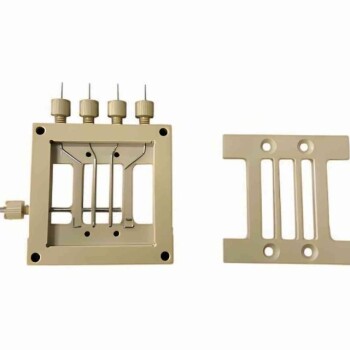
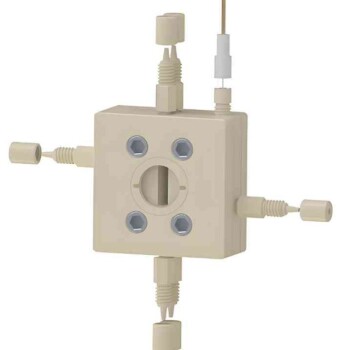
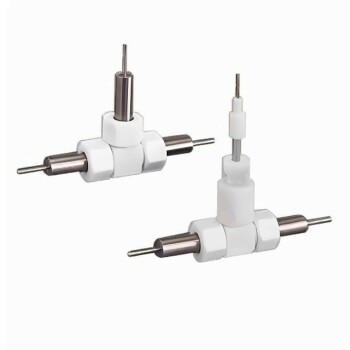
The design of an electrolytic cell acts as a specialized reactor that bridges the gap between waste removal and material recovery. By ensuring physical contact between the graphene-based adsorbent and the anode, the cell facilitates anodic oxidation, a process that mineralizes organic pollutants and restores the adsorbent's capacity for reuse.
The core function of the electrolytic cell is to provide a stable, conductive environment where electrical energy converts into chemical cleaning power. It enables the complete breakdown of contaminants through direct electron transfer or reactive oxygen species, turning a saturated filter back into a functional tool.
The Mechanics of Electrochemical Regeneration
Establishing Anodic Contact
The fundamental requirement of the cell design is connectivity. The structure must force the saturated graphene adsorbent to maintain sufficient, continuous contact with the anode.
Without this physical link, the electrical circuit cannot close through the material. This contact is the gateway that allows the applied current to interact with the pollutants trapped in the graphene mesh.
Triggering Anodic Oxidation
Once contact is established, the cell utilizes the electrolyte solution to drive anodic oxidation. This is the "engine" of the regeneration process.
The applied current initiates reactions at the anode surface. This environment supports either direct electron transfer or the generation of powerful oxidizers known as reactive oxygen species (ROS).
Mineralization of Pollutants
Unlike simple washing, which transfers waste from one medium to another, this process destroys the waste. The oxidation reactions mineralize organic pollutants, such as dyes, breaking them down into harmless fundamental components.
This clears the active sites on the graphene composite. The result is a "cyclic recovery," meaning the material can be used, cleaned, and used again without significant loss of performance.
Critical Design Requirements
Uniform Current Distribution
To regenerate the adsorbent evenly, the cell must ensure the current is not concentrated in just one area.
As seen in other high-performance electrochemical systems, such as ferrate production, uniform distribution is vital. Uneven current leads to "hot spots" where the material might be over-oxidized while other areas remain dirty.
Chemical Resistance and Stability
The electrolytic environment is inherently harsh. The cell serves as the core vessel and must possess high chemical resistance to withstand corrosive electrolytes.
A stable environment prevents the degradation of the cell components themselves. This ensures that the reaction remains focused solely on the adsorbent and the pollutants, rather than reacting with the container walls.
Understanding the Trade-offs
Balancing Power and Preservation
A major challenge in cell design is modulating the intensity of the oxidation.
If the environment is too aggressive, you risk oxidizing the graphene lattice itself, effectively destroying your expensive adsorbent. If it is too weak, the pollutants will not be fully mineralized, leading to a rapid loss of capacity in subsequent cycles.
Complexity vs. Efficiency
Designs that ensure perfect contact and uniform current often require complex geometries or flow systems.
While these maximize regeneration efficiency, they increase the initial cost and maintenance requirements of the unit. You must weigh the operational savings of regenerated graphene against the capital cost of a sophisticated electrolytic cell.
Making the Right Choice for Your Goal
To select or design the best electrolytic cell for your specific application, consider your primary operational constraints:
- If your primary focus is maximum material longevity: Prioritize a design that offers precise current control to prevent over-oxidation of the graphene structure.
- If your primary focus is processing speed: Choose a high-contact design that maximizes the surface area between the adsorbent and anode for rapid mineralization.
The most effective design is one that treats the graphene not as fuel to be burned, but as a permanent asset to be maintained.
Summary Table:
| Feature | Function in Regeneration | Impact on Performance |
|---|---|---|
| Anodic Contact | Ensures electrical circuit closure with adsorbent | Initiates direct electron transfer for cleaning |
| Current Distribution | Spreads electrical load across the graphene mesh | Prevents material hotspots and over-oxidation |
| Oxidation Engine | Generates reactive oxygen species (ROS) | Fully mineralizes organic pollutants into CO2/H2O |
| Chemical Stability | Resists corrosive electrolyte environments | Extends the operational lifespan of the reactor |
| Cyclic Recovery | Clears active sites for repeated material use | Maintains high adsorption capacity over multiple cycles |
Maximize Material Longevity with KINTEK Solutions
Unlock the full potential of your graphene-based adsorbents with KINTEK’s advanced electrochemical technologies. As specialists in high-performance laboratory equipment, we provide the precision electrolytic cells, electrodes, and high-temperature reactors necessary to drive efficient anodic oxidation and material recovery.
Whether you are managing complex battery research, environmental remediation, or chemical synthesis, KINTEK offers a comprehensive range of crushing and milling systems, hydraulic presses, and specialized ceramics to support your entire workflow. Don't let saturated materials become waste—transform them into permanent assets with our durable, high-resistance solutions.
Ready to optimize your regeneration process? Contact KINTEK today to consult with our experts on the perfect configuration for your lab's needs.
References
- Farbod Sharif, Edward P.L. Roberts. Electrochemical Oxidation of an Organic Dye Adsorbed on Tin Oxide and Antimony Doped Tin Oxide Graphene Composites. DOI: 10.3390/catal10020263
This article is also based on technical information from Kintek Solution Knowledge Base .
Related Products
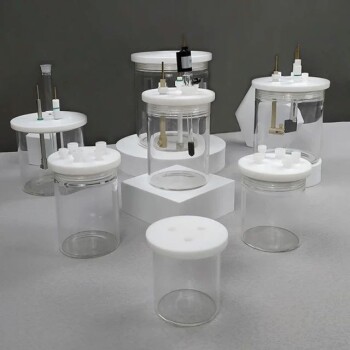
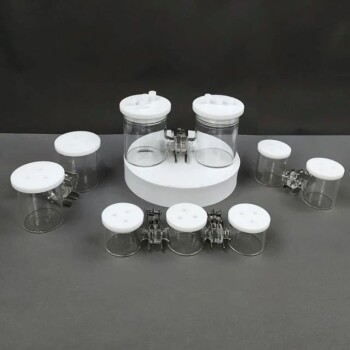
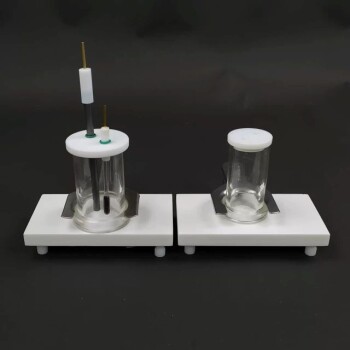
- PTFE Electrolytic Cell Electrochemical Cell Corrosion-Resistant Sealed and Non-Sealed
- Super Sealed Electrolytic Electrochemical Cell
- Electrolytic Electrochemical Cell with Five-Port
- H Type Electrolytic Cell Triple Electrochemical Cell
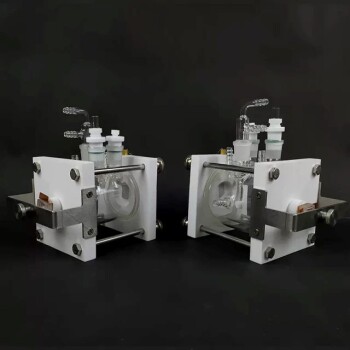
- Electrolytic Electrochemical Cell Gas Diffusion Liquid Flow Reaction Cell
People Also Ask
- What is the necessity of selecting a PTFE electrolytic cell? Ensure Precise Graphene Corrosion Testing Accuracy
- What is the proper method for cleaning the surface of an all-PTFE electrolytic cell? Ensure Accurate Results with a Pristine Surface
- How should an all-PTFE electrolytic cell be stored after use? Expert Maintenance Tips for Long-Lasting Performance
- What is the proper cleaning method for an all-PTFE electrolytic cell? Essential Tips for Surface Integrity
- What are the standard opening specifications for all-PTFE electrolytic cells? A Guide to Sealed vs. Non-Sealed Ports