Knowledge laboratory mill What are laboratory mixers used for? Achieve Perfect Sample Homogeneity and Reliable Results
Author avatar

Tech Team · Kintek Solution

Updated 2 months ago

What are laboratory mixers used for? Achieve Perfect Sample Homogeneity and Reliable Results


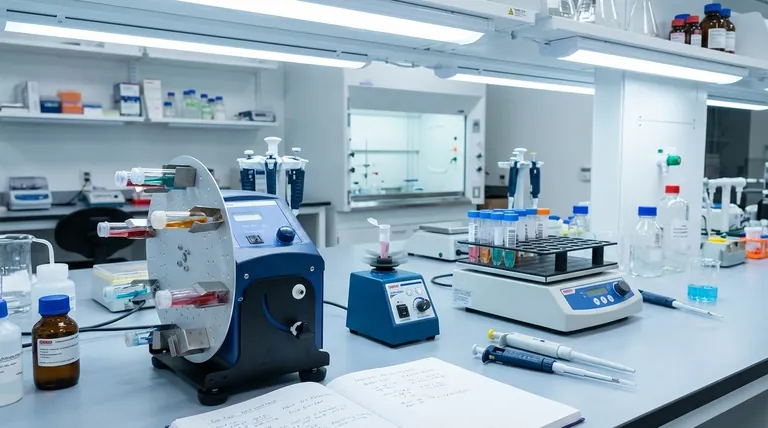
At its core, a laboratory mixer is a device used to blend, agitate, or homogenize liquid samples. The most common type, a vortex mixer, uses a motor to rapidly oscillate a small rubber cup. When a test tube or vial is pressed into this cup, the motion creates a vortex within the liquid, ensuring its contents are thoroughly mixed in seconds.

The fundamental purpose of a laboratory mixer is to guarantee sample uniformity and consistency. This eliminates a major source of human error, ensuring that experimental results are reliable and reproducible.
What are laboratory mixers used for? Achieve Perfect Sample Homogeneity and Reliable Results

The Core Principle: Why Proper Mixing is Critical

In any scientific setting, the integrity of your sample is paramount. Inconsistent or incomplete mixing can invalidate an entire experiment. Mixers solve this by automating a critical and otherwise variable step.

Ensuring Sample Homogeneity

Many laboratory samples are not uniform solutions. They often contain sediments, cell pellets, or reagents that need to be fully dissolved or suspended before use. A mixer ensures every drop of the liquid has the same composition.

Accelerating Reactions and Processes

Mixing dramatically increases the interaction between molecules in a sample. This is essential for speeding up chemical reactions, dissolving solids into a solvent, or resuspending biological materials for analysis.

Achieving Consistency and Reproducibility

Manually shaking a tube is inconsistent. The force, duration, and angle of agitation will vary every time and between different lab members. A mixer applies the exact same motion for the same amount of time, providing a level of reproducibility that is essential for valid scientific comparison.

A Closer Look at the Vortex Mixer

The vortex mixer is the quintessential lab workhorse. Its simplicity and effectiveness make it one of the most common pieces of equipment on any lab bench.

The Mechanism of Action

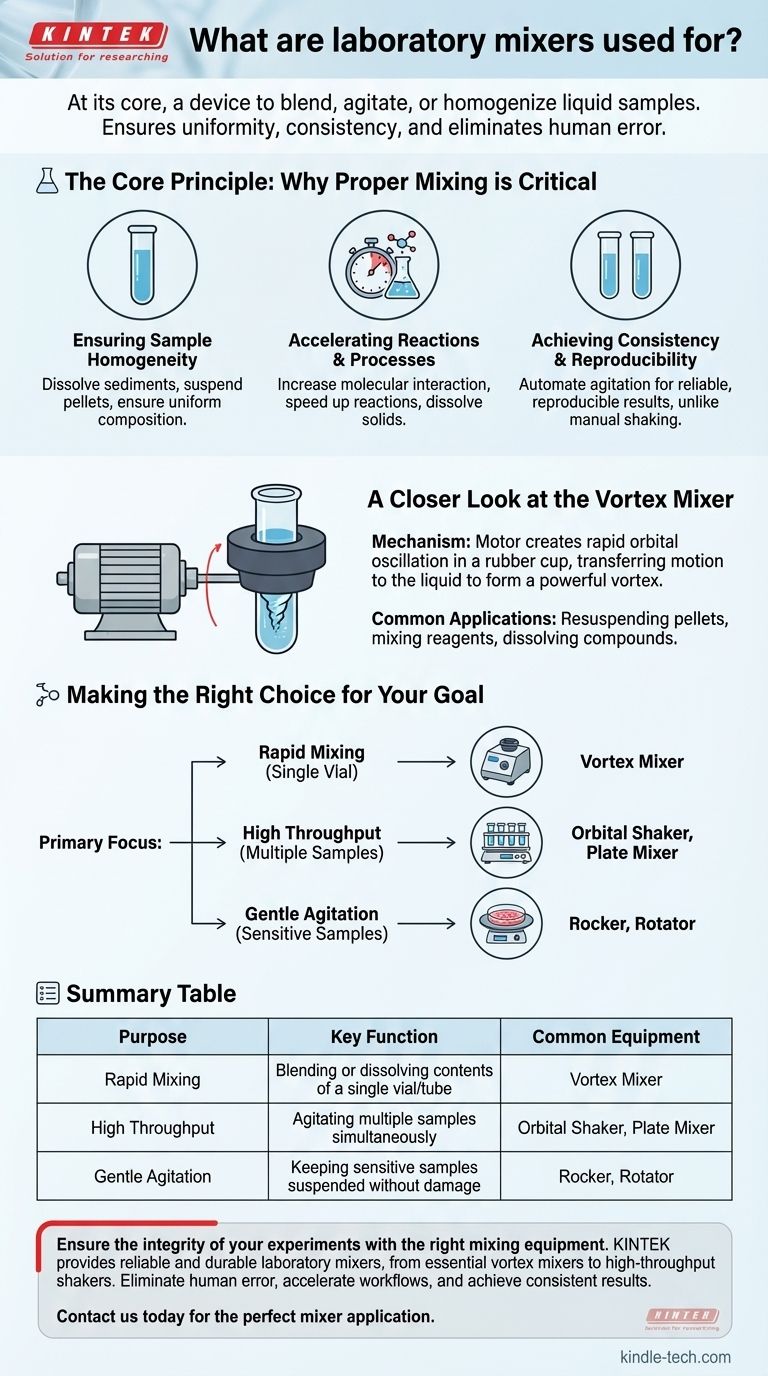
An electric motor is connected to a small rubber cup in an offset manner. When the motor spins, this offset connection translates the rotational energy into a rapid orbital oscillation. This motion is transferred to the liquid in the vessel, creating a powerful vortex.

Common Applications

The vortex mixer is used for countless routine tasks. This includes resuspending bacterial or DNA pellets, mixing reagents for an assay, or dissolving drug compounds in a solvent.

Understanding the Trade-offs and Variations

While the vortex mixer is common, not all mixing needs are the same. The choice of equipment involves balancing durability, scale, and the specific requirements of the sample.

Durability vs. Delicacy

A simple vortex mixer is a true lab workhorse, designed for frequent use and easy sterilization. More complex or delicate equipment may be required for specific tasks, but these often require more significant maintenance and careful cleanup between uses to avoid cross-contamination.

Scale and Application

The standard mixer handles one small vial at a time. For higher throughput, labs use shakers that can accommodate entire racks of tubes or microplates. For very large volumes, industrial-scale floor-standing machines may be used, though these are less common in a typical research lab.

Making the Right Choice for Your Goal

Selecting the correct mixing method is crucial for protecting your sample and achieving your experimental goal.

  • If your primary focus is rapid mixing of individual vials: The standard vortex mixer is the indispensable tool for this task.
  • If your primary focus is preparing multiple samples at once: An orbital shaker or plate mixer that can hold racks of tubes or plates is the more efficient choice.
  • If your primary focus is gentle and continuous agitation: For sensitive samples like cell cultures, a gentle rocker or rotator is required to keep them suspended without causing damage.

Ultimately, using the right laboratory mixer is a foundational step in generating trustworthy and accurate data.

Summary Table:

Purpose Key Function Common Equipment
Rapid Mixing Blending or dissolving contents of a single vial/tube. Vortex Mixer
High Throughput Agitating multiple samples simultaneously. Orbital Shaker, Plate Mixer
Gentle Agitation Keeping sensitive samples (e.g., cell cultures) suspended without damage. Rocker, Rotator

Ensure the integrity of your experiments with the right mixing equipment.

KINTEK specializes in providing reliable and durable laboratory mixers, from essential vortex mixers to high-throughput shakers, designed to meet the rigorous demands of modern labs. Our equipment helps you eliminate human error, accelerate workflows, and achieve consistent, reproducible results every time.

Contact us today to find the perfect mixer for your specific application and enhance your lab's efficiency. Get in touch with our experts now!

Visual Guide
What are laboratory mixers used for? Achieve Perfect Sample Homogeneity and Reliable Results Visual Guide

Related Products

People Also Ask

Related Products

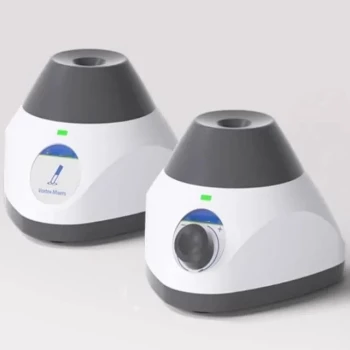
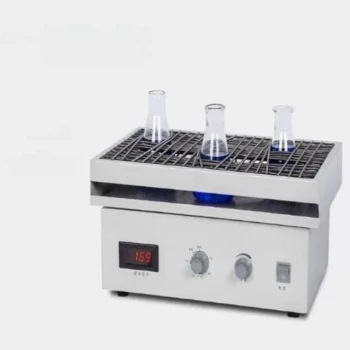
Laboratory Vortex Mixer Orbital Shaker Multifunctional Rotation Oscillation Mixer

Laboratory Vortex Mixer Orbital Shaker Multifunctional Rotation Oscillation Mixer

The inching mixer is small in size, mixes quickly and thoroughly, and the liquid is in a vortex shape, which can mix all the test solutions attached to the tube wall.

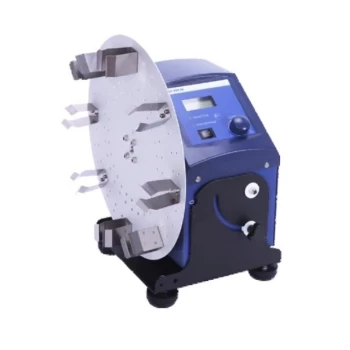
Laboratory Disc Rotary Mixer for Efficient Sample Mixing and Homogenization

Laboratory Disc Rotary Mixer for Efficient Sample Mixing and Homogenization

Efficient Laboratory Disc Rotary Mixer for Precise Sample Mixing, Versatile for Various Applications, DC Motor and Microcomputer Control, Adjustable Speed and Angle.

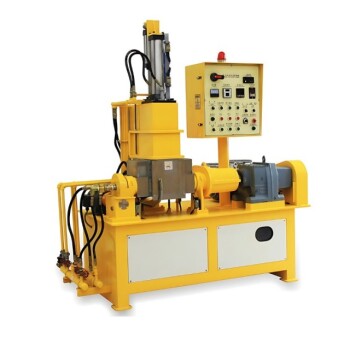
Lab Internal Rubber Mixer Rubber Kneader Machine for Mixing and Kneading

Lab Internal Rubber Mixer Rubber Kneader Machine for Mixing and Kneading

Lab internal rubber mixer is suitable for mixing, kneading and dispersing various chemical raw materials such as plastics, rubber, synthetic rubber, hot melt adhesive and various low-viscosity materials.

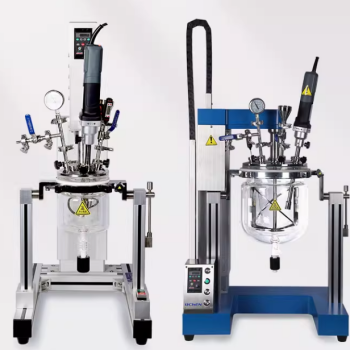
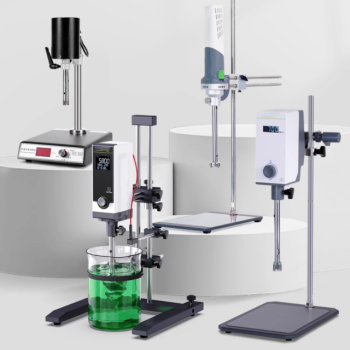
High Performance Lab Homogenizer for Pharma Cosmetics and Food R&D

High Performance Lab Homogenizer for Pharma Cosmetics and Food R&D

Lab vacuum homogenizing emulsifier for pharmaceuticals, cosmetics & food. High-shear mixing, vacuum deaeration, scalable 1L-10L. Get expert advice now!

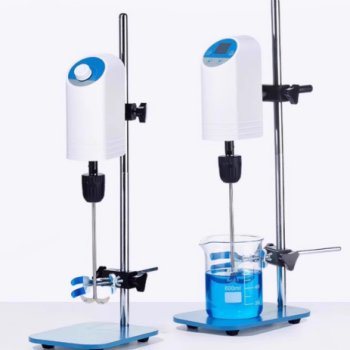
High Performance Laboratory Stirrers for Diverse Applications

High Performance Laboratory Stirrers for Diverse Applications

Precise laboratory overhead stirrers for high-viscosity mixing. Durable, customizable, and ideal for research. Explore models now!

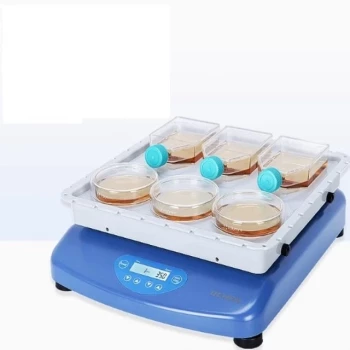
Laboratory Oscillating Orbital Shaker

Laboratory Oscillating Orbital Shaker

Mixer-OT orbital shaker uses brushless motor, which can run for a long time. It is suitable for vibration tasks of culture dishes, flasks and beakers.

High Shear Homogenizer for Pharmaceutical and Cosmetic Applications

High Shear Homogenizer for Pharmaceutical and Cosmetic Applications

Enhance lab efficiency with our high-speed Laboratory Emulsifier Homogenizer for precise, stable sample processing. Ideal for pharmaceuticals & cosmetics.

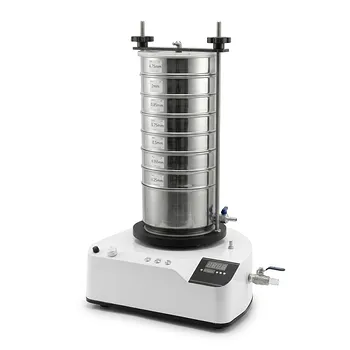
Laboratory Vibratory Sieve Shaker Machine for Dry and Wet Three-Dimensional Sieving

Laboratory Vibratory Sieve Shaker Machine for Dry and Wet Three-Dimensional Sieving

KT-VD200 can be used for sieving tasks of dry and wet samples in the laboratory. The screening quality is 20g-3kg. The product is designed with a unique mechanical structure and an electromagnetic vibrating body with a vibration frequency of 3000 times per minute.

Laboratory Multifunctional Small Speed-Adjustable Horizontal Mechanical Shaker for Lab

Laboratory Multifunctional Small Speed-Adjustable Horizontal Mechanical Shaker for Lab

The laboratory multifunctional speed-regulating oscillator is a constant-speed experimental equipment specially developed for modern bioengineering production units.

Laboratory Vibratory Sieve Shaker Machine Slap Vibrating Sieve

Laboratory Vibratory Sieve Shaker Machine Slap Vibrating Sieve

KT-T200TAP is a slapping and oscillating sieving instrument for laboratory desktop use, with 300 rpm horizontal circular motion and 300 vertical slapping motions to simulate manual sieving to help sample particles pass through better.

Laboratory Grinding Mill Mortar Grinder for Sample Preparation

Laboratory Grinding Mill Mortar Grinder for Sample Preparation

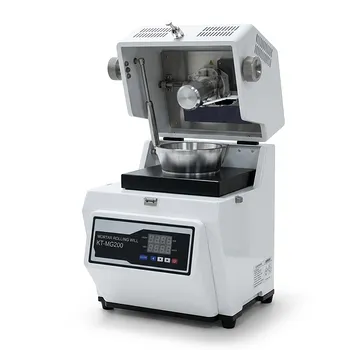
KT-MG200 mortar grinder can be used for mixing and homogenizing powder, suspension, paste and even viscous samples. It can help users realize the ideal operation of sample preparation with more regularization and higher repeatability.

Laboratory Ball Mill Jar Mill with Metal Alloy Grinding Jar and Balls

Laboratory Ball Mill Jar Mill with Metal Alloy Grinding Jar and Balls

Grind and mill with ease using metal alloy grinding jars with balls. Choose from 304/316L stainless steel or tungsten carbide and optional liner materials. Compatible with various mills and features optional functions.

Laboratory Hybrid Tissue Grinding Mill

Laboratory Hybrid Tissue Grinding Mill

KT-MT20 is a versatile laboratory device used for rapid grinding or mixing of small samples, whether dry, wet, or frozen. It comes with two 50ml ball mill jars and various cell wall breaking adapters for biological applications such as DNA/RNA and protein extraction.

High-Energy Omnidirectional Planetary Ball Mill Milling Machine for Laboratory

High-Energy Omnidirectional Planetary Ball Mill Milling Machine for Laboratory

The KT-P4000E is a new product derived from the vertical high-energy planetary ball mill with a 360° swivel function. Experience faster, uniform, and smaller sample output results with 4 ≤1000ml ball mill jars.

Lab Vibration Mill

Lab Vibration Mill

Vibration Mill for Efficient Sample Preparation, Suitable for Crushing and Grinding a Variety of Materials with Analytical Precision. Supports Dry / Wet / Cryogenic Grinding and Vacuum/Inert Gas Protection.

Laboratory Four-Body Horizontal Jar Mill

Laboratory Four-Body Horizontal Jar Mill

The four-body horizontal tank mill ball mill can be used with four horizontal ball mill tanks with a volume of 3000ml. It is mostly used for mixing and grinding laboratory samples.

Mini Planetary Ball Mill Machine for Laboratory Milling

Mini Planetary Ball Mill Machine for Laboratory Milling

Discover the KT-P400 desktop planetary ball mill, ideal for grinding and mixing small samples in the lab. Enjoy stable performance, long service life, and practicality. Functions include timing and overload protection.

Laboratory Single Horizontal Jar Mill

Laboratory Single Horizontal Jar Mill

KT-JM3000 is a mixing and grinding instrument for placing a ball milling tank with a volume of 3000ml or less. It adopts frequency conversion control to realize timing, constant speed, direction change, overload protection and other functions.

Vibrating Disc Mill Small Laboratory Grinding Machine

Vibrating Disc Mill Small Laboratory Grinding Machine

Discover the versatile Vibrating Disc Mill for efficient laboratory grinding. Ideal for geology, metallurgy, biology, and more. Explore now!

Laboratory Planetary Ball Mill Rotating Ball Milling Machine

Laboratory Planetary Ball Mill Rotating Ball Milling Machine

KT-P400E is a desktop multi-directional planetary ball mill with unique grinding and mixing capabilities. It offers continuous and intermittent operation, timing, and overload protection, making it ideal for various applications.


Leave Your Message