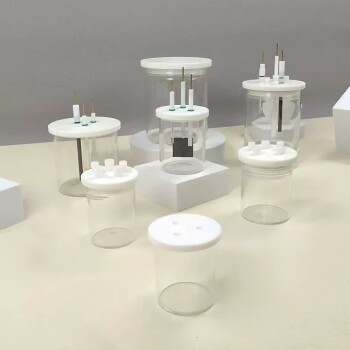
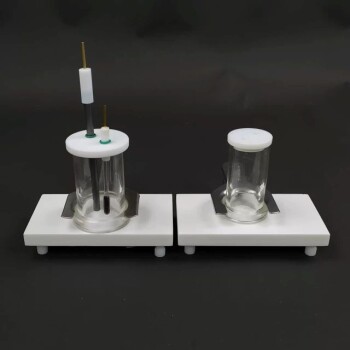
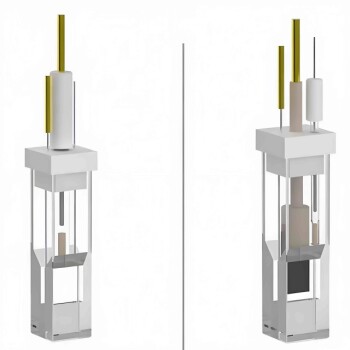
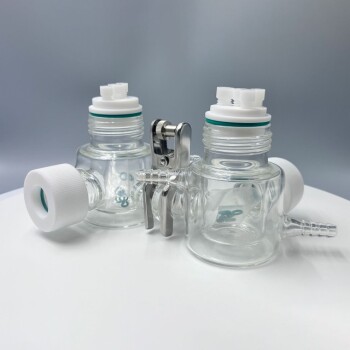
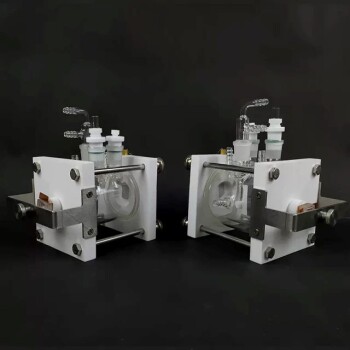
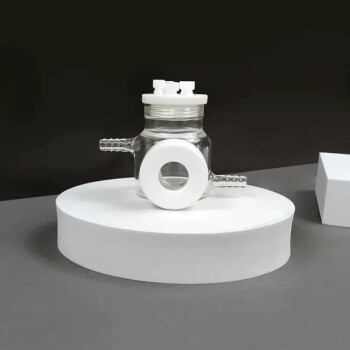
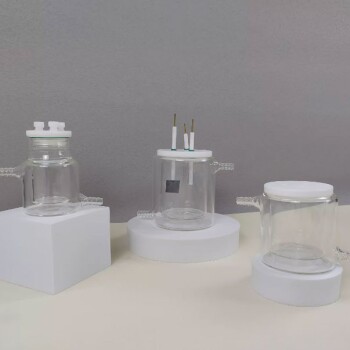
The five-port electrochemical reaction cell offers a standardized, versatile environment designed for high-precision corrosion testing. Its primary advantage is the ability to simultaneously house a working electrode, counter electrode, thermal sensors, reference bridges, and gas purging systems within a single controlled vessel. This configuration ensures compliance with rigorous industry standards like ASTM G-5.
By centralizing all critical monitoring and control components into a single vessel, the five-port cell eliminates experimental variables regarding temperature and atmosphere. This setup allows for the strict deoxygenation required to accurately measure corrosion kinetics in alloy research.
The Anatomy of Precision Testing
Simultaneous Component Integration
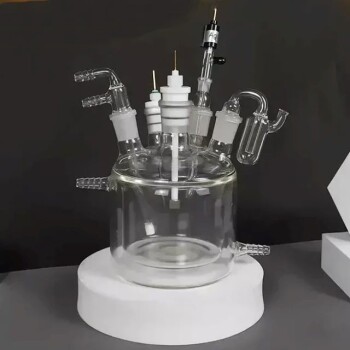
The five-port design solves the logistical challenge of fitting multiple sensors and actuators into a finite experimental space. It accommodates the working electrode alongside a platinum counter electrode and a Luggin capillary without physical interference. This integration is essential for maintaining consistent spacing and geometry between electrodes.
Standardization and Compliance
These cells are specifically engineered to meet established standards, such as ASTM G-5. Using standardized equipment minimizes geometric variations that could skew results. This ensures your data is reproducible and comparable across different laboratories and studies.
Controlling the Experimental Environment
Atmospheric Regulation
Localized corrosion studies often require strict deoxygenation to isolate specific reaction kinetics from atmospheric interference. The dedicated gas inlet and outlet devices allow researchers to effectively purge oxygen or introduce specific corrosive gases. This control is critical for studying the true behavior of alloys in specific environments.
Thermal Stability
Electrochemical reaction rates are highly sensitive to even minor thermal fluctuations. The inclusion of a dedicated port for a thermometer ensures the electrolyte temperature is monitored with precision. This allows for real-time adjustments to maintain thermodynamic stability throughout the experiment.
Considerations and Trade-offs
Assembly Complexity
Managing five distinct ports requires careful assembly to ensure the integrity of the system. Each port represents a potential failure point for airtight seals. A leak in a single port can compromise the deoxygenation of the entire vessel, rendering kinetic data invalid.
Spatial Crowding
While the cell is designed to fit many components, internal crowding can still occur depending on the size of the electrodes. Care must be taken to ensure the Luggin capillary is positioned close to the working electrode without touching it. Improper positioning can introduce uncompensated resistance errors (iR drop).
Making the Right Choice for Your Goal
To get the most out of this configuration, align your setup with your specific research needs:
- If your primary focus is kinetic accuracy: Prioritize the gas inlet/outlet ports to maintain a strictly deoxygenated environment for pure reaction data.
- If your primary focus is reproducibility: Adhere strictly to the ASTM G-5 geometry to ensure your results can be validated against external benchmarks.
The five-port cell turns a complex set of variables into a controlled, cohesive system, providing the stability necessary for advanced alloy analysis.
Summary Table:
| Feature | Advantage | Impact on Research |
|---|---|---|
| 5-Port Integration | Simultaneous use of sensors, electrodes, and gas lines | Reduces experimental variables and setup time |
| ASTM G-5 Compliance | Engineered to meet international industry standards | Ensures data reproducibility and global comparability |
| Atmospheric Control | Dedicated gas inlet/outlet for strict deoxygenation | Isolate specific kinetics for accurate alloy analysis |
| Thermal Monitoring | Dedicated port for precision thermometers | Maintains thermodynamic stability for sensitive reactions |
| Geometric Design | Optimized spacing for Luggin capillaries | Minimizes iR drop errors for high-precision data |
Elevate Your Electrochemical Research with KINTEK
Precision in localized corrosion studies starts with high-performance equipment. KINTEK specializes in advanced laboratory solutions, offering premium electrolytic cells, electrodes, and specialized electrochemical reaction systems designed for rigorous alloy research. From high-temperature reactors to specialized consumables like PTFE and ceramics, we provide the tools needed for ASTM-compliant, reproducible results.
Ready to optimize your lab’s accuracy? Contact our specialists today to discover how our comprehensive range of electrochemical tools and cooling solutions can support your next breakthrough.
References
- Robert G. Kelly. Perspective on “An Electrochemical Approach to Predicting Long-Term Localized Corrosion of Corrosion-Resistant High-Level Waste Container Materials,” D.S. Dunn, G.A. Cragnolino, and N. Sridhar, <i>Corrosion</i> 56, 1 (2000): p. 90-104. DOI: 10.5006/4506
This article is also based on technical information from Kintek Solution Knowledge Base .
Related Products
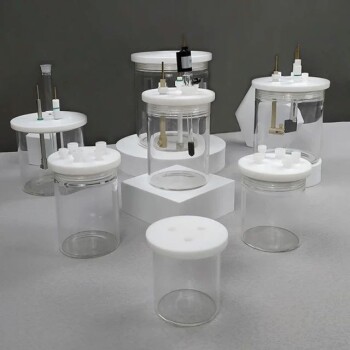
- Electrolytic Electrochemical Cell with Five-Port
- Double Layer Five-Port Water Bath Electrolytic Electrochemical Cell
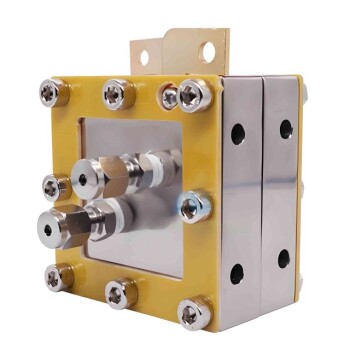
- Customizable PEM Electrolysis Cells for Diverse Research Applications
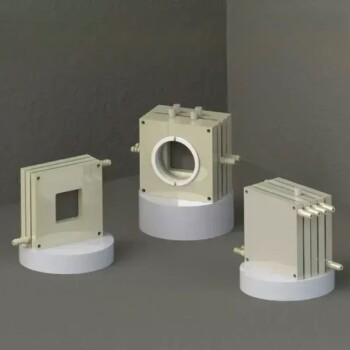
- Electrolytic Electrochemical Cell Gas Diffusion Liquid Flow Reaction Cell
- PTFE Electrolytic Cell Electrochemical Cell Corrosion-Resistant Sealed and Non-Sealed
People Also Ask
- How does the design of an electrochemical electrolytic cell influence the coating uniformity? Optimize Your Catalysts
- What is the correct shutdown and disassembly procedure after an experiment? Ensure Safety and Protect Your Equipment
- What are the three essential components that comprise an electrolytic cell? Key Elements of Chemical Synthesis
- How does the design of an electrolytic cell affect the production yield of ferrate(VI)? Optimize Efficiency & Purity
- What is galvanic cell or electrolytic cell? Unlock the Secrets of Electrochemical Power