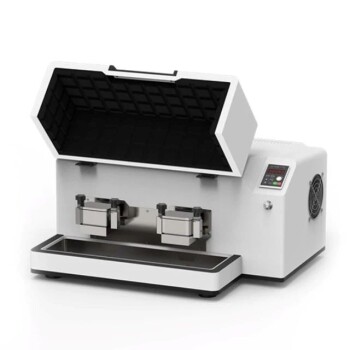
The primary advantage of using polyurethane ball mill jars for silicon nitride preparation is the elimination of metallic contamination during the mixing stage. By utilizing polyurethane—a chemically stable and wear-resistant polymer—manufacturers can prevent the introduction of conductive metallic debris that inevitably occurs when using standard metal containers.
Core Takeaway In the production of high-performance ceramics like silicon nitride, purity is paramount. Polyurethane jars serve as a critical quality control measure, ensuring that the abrasive milling process reduces particle size without introducing impurities that would compromise the material's electrical insulation or mechanical strength.
Ensuring Chemical Purity
The Risk of Metallic Impurities
Standard ball milling involves intense friction and impact. When metal jars are used, the abrasive nature of silicon nitride causes wear on the container's inner walls.
This wear generates microscopic metallic debris that mixes directly with your ceramic slurry.
The Polyurethane Barrier
Polyurethane provides a chemically stable environment for the slurry.
Unlike metal, it does not leach metallic ions or release conductive particles into the mix. This stability is the first line of defense in maintaining the chemical integrity of your raw materials.
Preserving Final Material Properties
The choice of milling jar is not just about containment; it directly dictates the performance characteristics of the sintered ceramic.
Maintaining Electrical Insulation
Silicon nitride is often prized for its electrical insulating properties.
Metallic impurities introduced during milling act as conductive pathways. By using polyurethane to block these impurities, you preserve the high electrical resistance required for the final application.
Protecting Mechanical Integrity
Contaminants act as defects within the ceramic microstructure.
These defects can become crack initiation sites, weakening the final product. Polyurethane jars ensure the powder remains pure, thereby supporting the superior mechanical properties and structural reliability expected of silicon nitride.
Durability in Abrasive Environments
Withstanding Abrasive Action
Silicon nitride is a hard, abrasive material.
According to technical data, polyurethane is selected for this application because it is inherently wear-resistant. It withstands the aggressive grinding action of the media and the slurry better than many alternative soft linings.
Chemical Stability
Beyond physical wear, the milling environment can be chemically aggressive.
Polyurethane remains stable in this context, ensuring that the jar itself does not degrade or react with the sintering additives or the silicon nitride powder.
Understanding the Trade-offs
While polyurethane is superior for purity, it is essential to understand the operational context compared to other materials.
Wear vs. Contamination Type
No material is impervious to wear. While polyurethane is wear-resistant, prolonged use with highly abrasive materials will eventually cause some degradation.
However, the "trade-off" here is generally positive: debris from polyurethane is organic. Unlike metallic debris, organic residue can often be burned off during the sintering process, whereas metal remains as a permanent defect.
Thermal and Solvent Limitations
Polyurethane is a polymer, not a metal or ceramic.
It generally has lower thermal limits and different chemical resistances than steel or tungsten carbide. You must ensure your slurry solvents and operating temperatures remain within the safe range for polyurethane to prevent material failure.
Making the Right Choice for Your Goal
When setting up your milling process, align your equipment choice with your final product requirements.
- If your primary focus is Electrical Insulation: Use polyurethane jars to guarantee zero metallic conductive contamination in the grain boundaries.
- If your primary focus is Mechanical Strength: Prioritize polyurethane to prevent impurity-driven defects that lower fracture toughness.
- If your primary focus is General Particle Reduction: While polyurethane works well, ensure it is compatible with your specific solvent system before operation.
The use of polyurethane jars is not merely a preference; it is a strategic necessity for producing high-purity, defect-free silicon nitride ceramics.
Summary Table:
| Feature | Polyurethane Jars | Metal Jars |
|---|---|---|
| Contamination Risk | Low (Organic/Burnable) | High (Metallic/Conductive) |
| Chemical Stability | High (Chemically Inert) | Low (Leaching potential) |
| Wear Resistance | Excellent (Abrasion-resistant polymer) | Moderate (Prone to abrasive wear) |
| Impact on Properties | Preserves Insulation & Strength | May introduce defects & conductivity |
| Best Use Case | High-purity ceramic slurries | General purpose grinding |
Elevate Your Ceramic Research with KINTEK Precision Solutions
Don't let metallic contamination compromise the integrity of your high-performance materials. KINTEK specializes in premium laboratory equipment and consumables, providing the high-purity polyurethane ball mill jars and crushing and milling systems necessary for defect-free silicon nitride production.
Whether you require hydraulic presses, high-temperature furnaces, or specialized battery research tools, our comprehensive portfolio is designed to meet the rigorous demands of advanced material science.
Ready to optimize your milling process? Contact our technical experts today to find the perfect equipment for your laboratory needs and ensure superior mechanical and electrical results.
Related Products
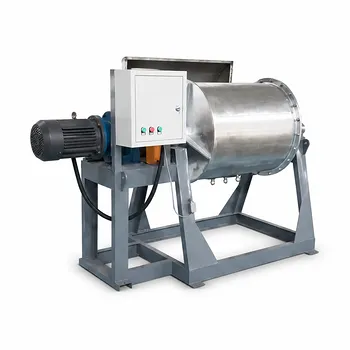
- Stainless Steel Laboratory Ball Mill for Dry Powder and Liquid with Ceramic Polyurethane Lining
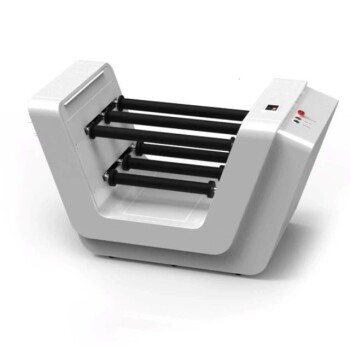
- Laboratory Single Horizontal Jar Mill
- Laboratory Jar Ball Mill with Alumina Zirconia Grinding Jar and Balls
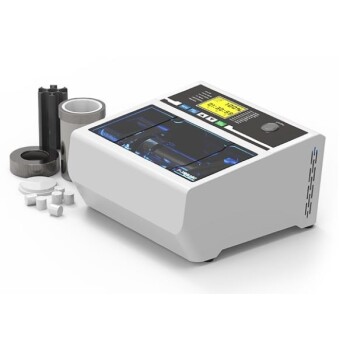
- Laboratory Four-Body Horizontal Jar Mill
- Laboratory Ball Mill Jar Mill with Metal Alloy Grinding Jar and Balls
People Also Ask
- How do laboratory ball mills facilitate the mechanochemical synthesis of ZIF-8? Solvent-Free Synthesis Explained
- What is the primary function of a laboratory ball mill in the modification of sulfide-based solid electrolytes with LiPO2F2?
- How does a laboratory ball mill ensure the mixing quality of Mn3Zn0.8Sn0.2N and Ti? Achieve Perfect Homogeneity
- What is the function of a laboratory ball mill in the preparation of AMMCs? Optimize Dispersion & Grain Refinement
- In what way does a laboratory ball mill affect material properties when modifying PHBV/pulp fiber composites?