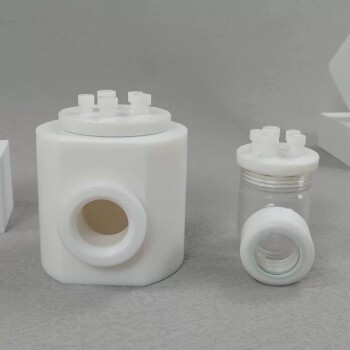
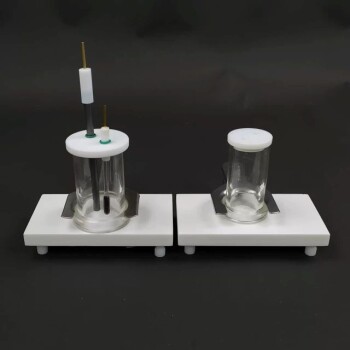
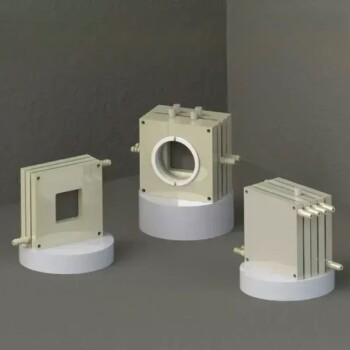
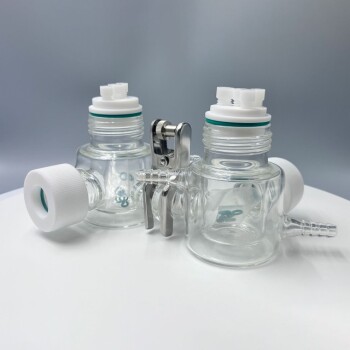
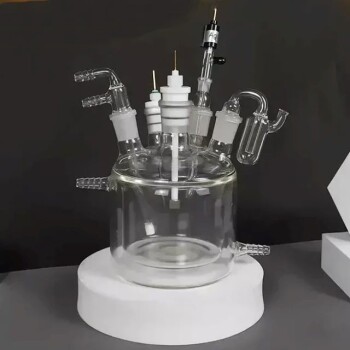
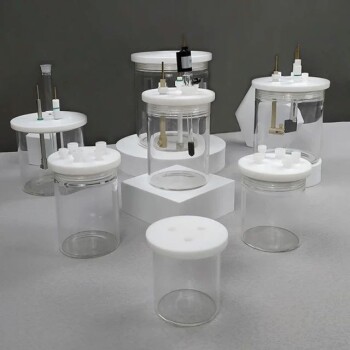
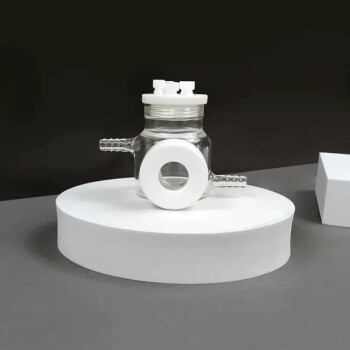
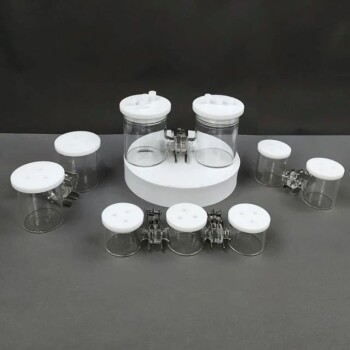
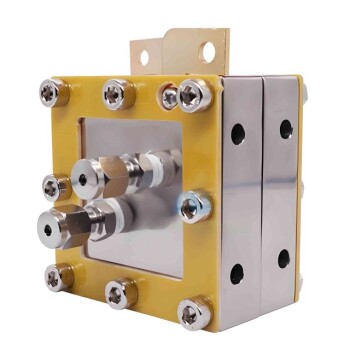
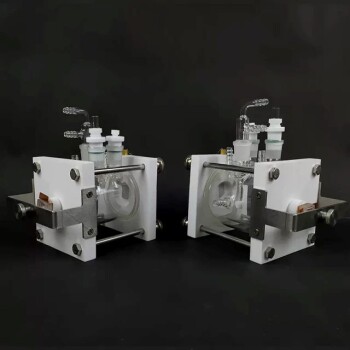
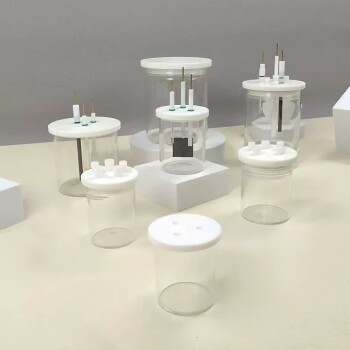
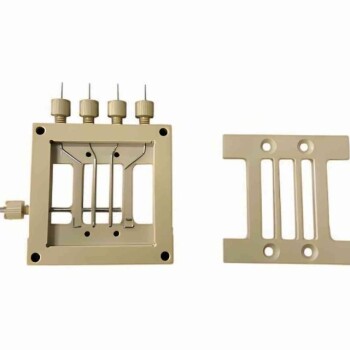
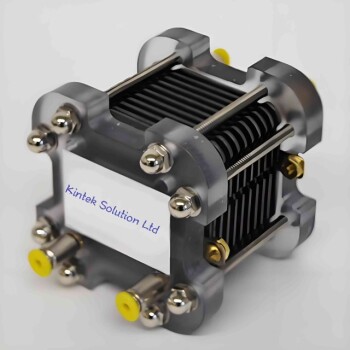
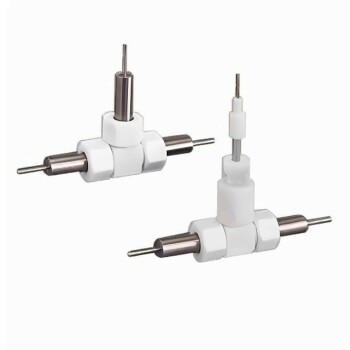
The significant advantage of using a transparent electrolytic cell is the capability to perform direct, in-situ visual monitoring of the stainless steel surface while simultaneously recording electrochemical data. This setup moves beyond blind data collection, allowing researchers to correlate specific physical events—such as gas evolution or surface discoloration—with fluctuations in the open circuit potential (OCP) over long measurement periods.
Core Takeaway A transparent cell bridges the gap between quantitative data and qualitative physical changes. It transforms a standard OCP measurement into a comprehensive analysis tool, enabling you to confirm whether potential shifts are caused by instrument noise or genuine surface phenomena like passive film breakdown.
The Value of Real-Time Observation
Monitoring Gas Formation
During long-duration measurements (e.g., 9000 seconds), chemical reactions at the interface may generate gas.
Transparency allows you to detect the formation of gas bubbles immediately. This is critical because bubbles can adhere to the electrode surface, temporarily masking active sites and causing sharp, artificial spikes in your potential readings.
Tracking Surface Chemistry Changes
Corrosion is not just an electrical phenomenon; it is a physical transformation of the material.
Through a transparent wall, you can observe changes in corrosion product color in real-time. These visual cues often precede or accompany significant shifts in electrochemical potential, offering early warnings of surface state changes.
Identifying Localized Breakdown
Stainless steel relies on a passive film for protection, but this film can degrade over time in corrosive media.
Direct visibility facilitates the observation of localized breakdown of this passive film. You can pinpoint exactly when and where the surface integrity fails, rather than inferring it solely from a drop in voltage.
Enhanced Data Interpretation
Contextualizing Potential Fluctuations
Long-term OCP graphs are rarely flat; they contain noise, drifts, and transients.
Without visibility, a sudden fluctuation in the curve is ambiguous. With a transparent cell, you can perform a detailed in-situ analysis, confirming that a specific transient in the data corresponds to a visible physical event, such as a bubble detaching or a pit forming.
Validating Long-Term Stability
In measurements lasting several hours (such as the 9000-second mark mentioned in research contexts), the environment within the cell can change.
Visual monitoring ensures that the three-electrode system remains intact and properly positioned throughout the experiment. It acts as a quality control measure, ensuring that the data recorded at the end of the test is as valid as the data at the start.
Understanding the Trade-offs
Qualitative vs. Quantitative Limits
While visual observation provides excellent context, it remains a qualitative tool. It supports the electrochemical data but does not replace the need for rigorous quantitative analysis of the potential curves.
Optical Distortion Risks
Depending on the curvature of the cell and the refractive index of the medium, visual distortions can occur. Researchers must ensure that the transparent housing provides a clear, undistorted optical path to the electrode surface for accurate analysis.
Making the Right Choice for Your Goal
To maximize the utility of your corrosion testing, align your equipment choice with your specific analytical needs.
- If your primary focus is identifying corrosion mechanisms: Prioritize a transparent cell to directly link physical surface changes (like color shifts or bubbles) to electrochemical anomalies.
- If your primary focus is routine quality control: A standard opaque cell may be sufficient, provided the electrochemical behavior of the material is already well-characterized and visual validation is not required.
By integrating visual evidence with electrochemical data, you turn a simple measurement into a robust, multi-dimensional investigation.
Summary Table:
| Benefit | Key Function | Impact on Research |
|---|---|---|
| In-situ Monitoring | Direct visual access to electrode surface | Correlates physical events with OCP fluctuations |
| Bubble Detection | Identifies gas evolution in real-time | Explains artificial potential spikes and masking |
| Passive Film Analysis | Visualizes localized film breakdown | Pinpoints the exact moment of surface integrity loss |
| Data Validation | Confirms transient signals | Distinguishes between instrument noise and real phenomena |
| Quality Control | Monitors three-electrode positioning | Ensures experimental stability during long-term tests |
Elevate Your Electrochemical Research with KINTEK
Maximize the precision of your corrosion studies and material analysis. KINTEK specializes in high-performance laboratory equipment, offering a specialized range of electrolytic cells and electrodes designed for clarity and durability. Whether you are conducting long-term OCP measurements on stainless steel or exploring advanced energy storage, our portfolio—from battery research tools and high-temperature furnaces to precision hydraulic presses—provides the reliability your lab demands.
Ready to bridge the gap between qualitative observation and quantitative data? Contact us today to find the perfect electrochemical solution for your application!
References
- Roland Tolulope Loto. Effect of cyclic heat treatment process on the pitting corrosion resistance of EN‐1.4405 martensitic, EN‐1.4404 austenitic, and EN‐1.4539 austenitic stainless steels in chloride‐sulfate solution. DOI: 10.1002/eng2.12105
This article is also based on technical information from Kintek Solution Knowledge Base .
Related Products
- Thin-Layer Spectral Electrolysis Electrochemical Cell
- Side Window Optical Electrolytic Electrochemical Cell
- PTFE Electrolytic Cell Electrochemical Cell Corrosion-Resistant Sealed and Non-Sealed
- Electrolytic Electrochemical Cell for Coating Evaluation
- Electrolytic Electrochemical Cell Gas Diffusion Liquid Flow Reaction Cell
People Also Ask
- What are the recommended post-experiment procedures for cleaning and storing the thin-layer spectroelectrochemical cell?
- What preparation steps are required before initiating an experiment with the thin-layer spectroelectrochemical cell?
- What operational environments and sealing options are available for the thin-layer spectroelectrochemical cell?
- For what types of systems, temperature ranges, and sealing configurations is the thin-layer spectroelectrochemical cell designed? Ideal for Aqueous and Non-Aqueous Analysis
- What are the necessary preparation steps before using a thin-layer spectroelectrochemical cell? A Guide to Reliable Results