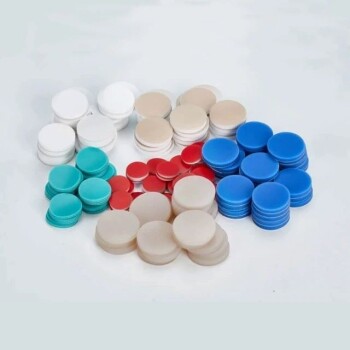
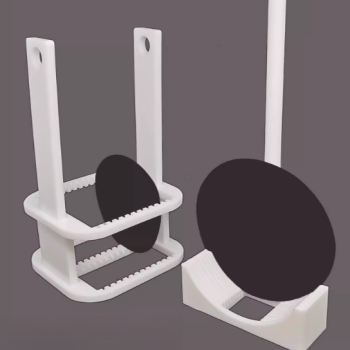
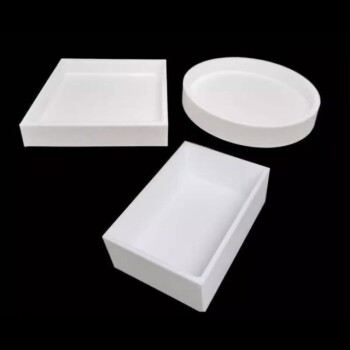
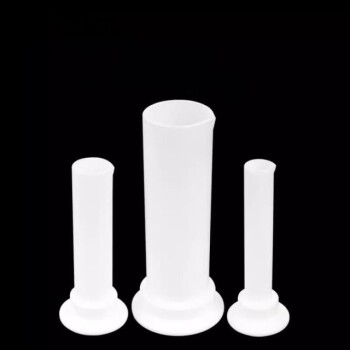
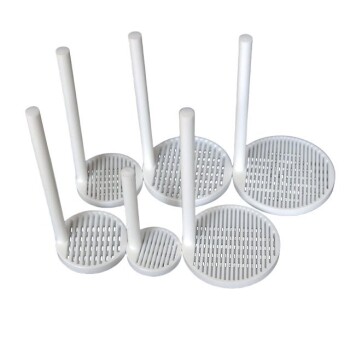
The definitive benefit of using Polytetrafluoroethylene (PTFE) plates is their function as a non-stick operational platform that protects electrode assemblies during the delicate curing phase. By preventing conductive resins from bonding to the work surface, these plates ensure that the finished electrodes can be removed without physical stress, damage, or loss of geometric precision.
Core Takeaway: PTFE plates serve as a crucial isolation barrier in the manufacturing process. Their primary value lies in decoupling the resin curing process from the workstation surface, guaranteeing that the electrode’s structural integrity is maintained and eliminating yield losses caused by accidental adhesion.
Preserving Structural Integrity
The most significant risk during electrode bonding is the unintentional fusion of the component to the workbench. PTFE plates mitigate this risk through their fundamental material properties.
Preventing Resin Adhesion
Conductive resins are engineered to create strong, permanent bonds. PTFE plates provide a chemically resistant, non-stick surface that rejects these adhesives. This ensures that the curing process occurs only within the electrode assembly, not between the electrode and the platform.
Eliminating Mechanical Stress
When an electrode adheres to a standard workbench, removing it often requires force that can warp or fracture the component. By using a PTFE interface, manufacturers ensure the electrode remains stress-free during removal, preserving the mechanical soundness of the final part.
Enhancing Manufacturing Precision
Beyond simple protection, the use of PTFE plates directly impacts the efficiency and quality control of the production line.
Reducing Material Waste
Adhesion errors are a leading cause of scrapped parts in electrode assembly. By acting as a fail-safe against surface bonding, PTFE plates prevent unnecessary waste, ensuring that expensive conductive materials and substrates are not discarded due to handling errors.
Maintaining Handling Precision
Electrodes are often sensitive to friction and manipulation. The low-friction nature of PTFE allows for precise positioning and handling of these delicate materials. Operators can assemble and adjust components on the platform without the drag or resistance that leads to misalignment.
Critical Considerations for Implementation
While PTFE plates offer significant advantages, understanding their specific role is essential for effective deployment.
Passive Protection vs. Active Alignment
It is important to recognize that a PTFE plate serves as a passive operational platform. While it effectively prevents sticking, it does not actively align or clamp the components. The "precision" it affords is in the release and handling, but the operator must still ensure the initial geometric alignment of the electrode parts before curing begins.
Surface Maintenance
To maintain the "non-stick" benefits described, the PTFE surface must remain clean and intact. While the material prevents resin adhesion, physical damage (such as deep scratches from sharp tools) could compromise the surface uniformity, potentially affecting the flatness and stability required for sensitive electrode assemblies.
Making the Right Choice for Your Goal
To maximize the value of your electrode bonding process, align the use of PTFE plates with your specific manufacturing objectives.
- If your primary focus is Production Yield: Implement PTFE plates to eliminate scrap caused by resin adhesion to the workstation.
- If your primary focus is Component Quality: Use PTFE to ensure electrodes are removed from the curing stage with zero mechanical stress or warping.
Summary: By integrating PTFE plates as a standard operational platform, you transform a high-risk curing stage into a controlled, reliable process that protects both the material and the final component.
Summary Table:
| Feature | Benefit for Electrode Bonding | Impact on Production |
|---|---|---|
| Non-Stick Surface | Prevents conductive resins from bonding to the workbench. | Eliminates scrap and material waste. |
| Chemical Resistance | Withstands aggressive adhesives and curing agents. | Ensures long-term surface durability. |
| Low Friction | Facilitates precise positioning of delicate materials. | Reduces misalignment and handling errors. |
| Stress-Free Release | Allows component removal without force or warping. | Preserves the structural integrity of electrodes. |
Elevate Your Electrode Manufacturing with KINTEK
Precision in electrode assembly demands the right materials and tools. KINTEK specializes in high-quality laboratory equipment and consumables, including premium PTFE products and ceramics designed to withstand rigorous bonding processes.
Beyond consumables, we provide a comprehensive range of research tools, from electrolytic cells and electrodes to high-temperature furnaces (CVD, PECVD, vacuum) and hydraulic presses. Whether you are refining battery research or scaling up production, our solutions ensure your materials maintain their geometric precision and structural integrity.
Ready to optimize your lab's efficiency? Contact our technical experts today to find the perfect equipment and consumables for your specific application.
References
- Akihiro Okamoto, Kenneth H. Nealson. Self-standing Electrochemical Set-up to Enrich Anode-respiring Bacteria On-site. DOI: 10.3791/57632
This article is also based on technical information from Kintek Solution Knowledge Base .
Related Products
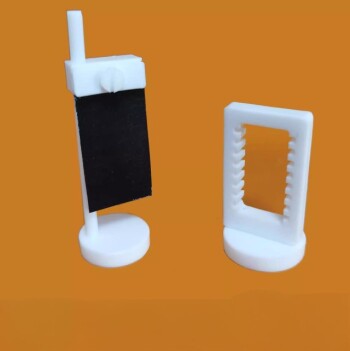
- Custom PTFE Teflon Parts Manufacturer for Hydrothermal Synthesis Reactor Polytetrafluoroethylene Carbon Paper and Carbon Cloth Nano-growth
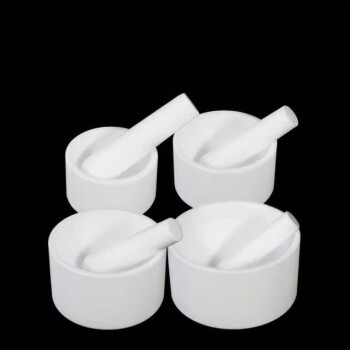
- Custom PTFE Teflon Parts Manufacturer Grinding Bowl
- Custom PTFE Teflon Parts Manufacturer for PTFE Mesh F4 Sieve
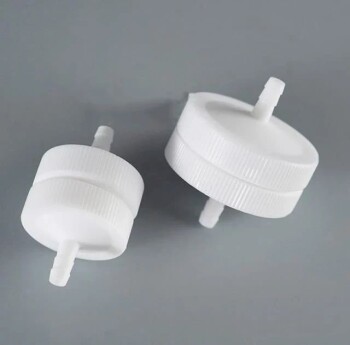
- Custom PTFE Teflon Parts Manufacturer for Sampling Filters
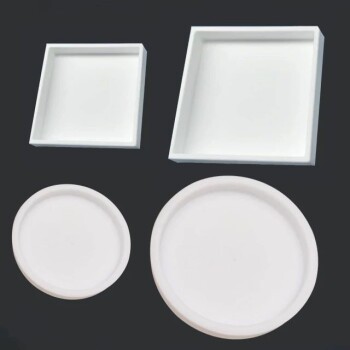
- Custom PTFE Teflon Parts Manufacturer for PTFE Containers
People Also Ask
- What is the function of a PTFE reactor in MXene etching? Ensure Safe, High-Purity MAX Phase Conversion
- Why is a PTFE reactor required for titanium-based nano-ceramic coating solutions? Ensure Chemical Inertness & Purity
- Why must a Polytetrafluoroethylene (PTFE) reactor be used for Ti3C2TX MXene etching? Ensure Safety and Purity
- Why are PTFE reactors preferred for silver phosphate glass testing? Ensure Purity and Kinetic Accuracy
- What are the advantages of using polytetrafluoroethylene (PTFE) liners in hydrothermal synthesis reactors? High Purity