Polytetrafluoroethylene (PTFE) is preferred for sodium hypochlorite reactor linings because its unique atomic structure creates an impenetrable defense against the specific aggressive chemicals involved. Specifically, the large atomic radius and high electronegativity of fluorine atoms effectively shield the material's carbon backbone, preventing the chemical attacks from strong bases and halogens that degrade other polymers.
The core advantage of PTFE lies in its bond energy of approximately 116 kcal/mol; this exceptionally strong connection prevents molecular chain breakage, ensuring long-term stability even when exposed to the harsh combination of sodium hydroxide and chlorine gas.
The Molecular Defense Mechanism
To understand why PTFE survives where other materials fail, you must look at its atomic architecture.
The "Shielding" Effect
PTFE possesses a fully fluorinated structure, consisting solely of carbon and fluorine atoms.
Because the radius of a fluorine atom is larger than that of hydrogen, these atoms pack tightly around the inner carbon chain. This creates a dense, protective shell that physically blocks other chemicals from reaching the carbon backbone.
Unmatched Bond Strength
The chemical bond between carbon and fluorine is one of the strongest in organic chemistry.
With a bond energy of roughly 116 kcal/mol, these bonds are incredibly difficult to break. This high energy requirement effectively "locks" the material's structure, rendering it chemically inert.
Resistance to Reactor Conditions
Sodium hypochlorite production involves reacting chlorine gas with sodium hydroxide, creating a highly corrosive environment.
Handling Strong Bases
Sodium hydroxide (caustic soda) is a strong base that rapidly degrades many lining materials through chemical erosion.
However, the protective fluorine shield of PTFE grants it absolute inertia against such strong bases. The material effectively ignores the presence of the caustic environment, maintaining its structural integrity.
Handling Halogens
The reactor environment also includes halogens, specifically chlorine gas, which is a powerful oxidizer.
PTFE’s thermal stability and molecular structure prevent the "chain breakage" often caused by halogens. This ensures the lining does not crack, pit, or erode during the chlorination process.
Understanding the Trade-offs
While PTFE is chemically superior, it is important to recognize its mechanical limitations as a lining material.
Structural Dependence
PTFE is primarily used as a lining material, not a structural one.
While it offers excellent corrosion resistance, it generally requires a structural backing (such as steel or fiber-reinforced plastic) to withstand high pressures or mechanical loads.
Processing Considerations
PTFE cannot be processed using standard melt-processing techniques common to other plastics.
As noted in industrial applications, it often requires specialized sintering or secondary processing to be formed into films, plates, or complex liner shapes. This can influence the manufacturing cost and complexity of the reactor vessel.
Making the Right Choice for Your Project
Selecting the correct lining material is a balance between chemical resistance requirements and mechanical constraints.
- If your primary focus is Chemical Longevity: Prioritize PTFE linings to ensure immunity against the simultaneous attack of chlorine gas and sodium hydroxide.
- If your primary focus is System Design: Ensure your reactor design includes a rigid outer shell (steel or composite) to support the PTFE lining, as the liner provides protection but not structural strength.
By leveraging the atomic-level stability of PTFE, you convert a high-maintenance corrosion problem into a reliable, long-term engineering solution.
Summary Table:
| Feature | PTFE Property | Benefit in Sodium Hypochlorite Reactors |
|---|---|---|
| Chemical Bond | Carbon-Fluorine (116 kcal/mol) | Extremely stable, prevents molecular chain breakage |
| Atomic Structure | Fully fluorinated dense shell | Shields carbon backbone from chemical attack |
| Base Resistance | Inert to Sodium Hydroxide | Prevents chemical erosion and structural degradation |
| Oxidation Resistance | Halogen-proof architecture | Resists cracking and pitting from chlorine gas |
| Thermal Stability | High-temperature tolerance | Maintains integrity during exothermic reactions |
Upgrade Your Reactor Durability with KINTEK Solutions
Don't let aggressive chemicals like sodium hydroxide and chlorine gas compromise your production efficiency. KINTEK specializes in high-performance laboratory equipment and industrial consumables designed for the most demanding environments. Whether you require high-temperature high-pressure reactors with specialized PTFE linings, premium ceramics and crucibles, or precision crushing and milling systems, our experts are here to provide the chemical-resistant solutions your facility needs.
Maximize your equipment lifespan today. Contact our technical team to discuss your custom lining requirements and explore our comprehensive range of reactors, autoclaves, and lab consumables.
References
- Andrea Angelica Beleño Rosero, Luis Fernando Andrade Fonseca. Analysis of the chemical behavior at the molecular level of lined pipes with fluoropolymers in a sodium hypochlorite production line/bibliographic review. DOI: 10.1007/s42452-022-05119-4
This article is also based on technical information from Kintek Solution Knowledge Base .
Related Products
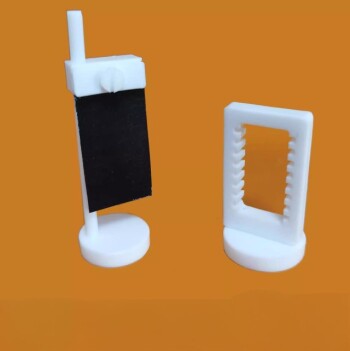
- Custom PTFE Teflon Parts Manufacturer for Hydrothermal Synthesis Reactor Polytetrafluoroethylene Carbon Paper and Carbon Cloth Nano-growth
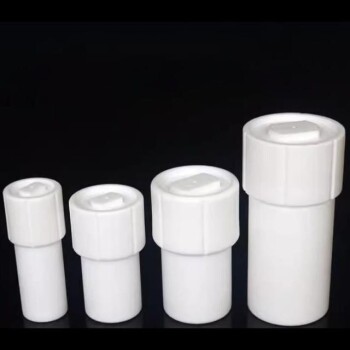
- Custom PTFE Teflon Parts Manufacturer for Microwave Digestion Tank
- Custom PTFE Teflon Parts Manufacturer F4 Conical Flask Triangular Flask 50 100 250ml
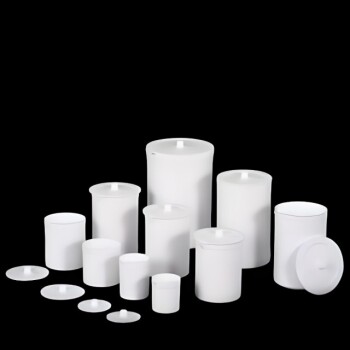
- Custom PTFE Teflon Parts Manufacturer PTFE Beaker and Lids
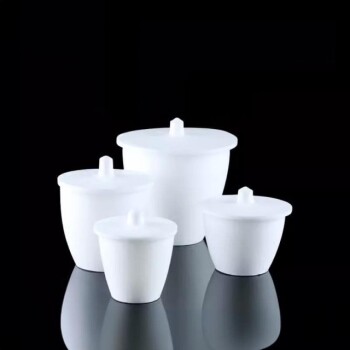
- Custom Machined and Molded PTFE Teflon Parts Manufacturer with PTFE Crucible and Lid
People Also Ask
- What is the function of a PTFE reactor in MXene etching? Ensure Safe, High-Purity MAX Phase Conversion
- Why is a PTFE reactor required for titanium-based nano-ceramic coating solutions? Ensure Chemical Inertness & Purity
- Why must a Polytetrafluoroethylene (PTFE) reactor be used for Ti3C2TX MXene etching? Ensure Safety and Purity
- Why are PTFE reactors preferred for silver phosphate glass testing? Ensure Purity and Kinetic Accuracy
- What are the advantages of using polytetrafluoroethylene (PTFE) liners in hydrothermal synthesis reactors? High Purity