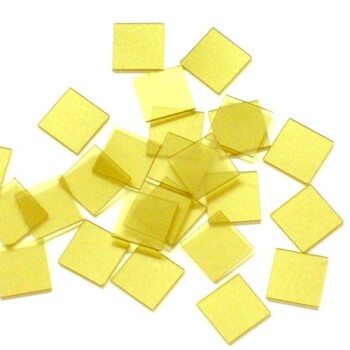
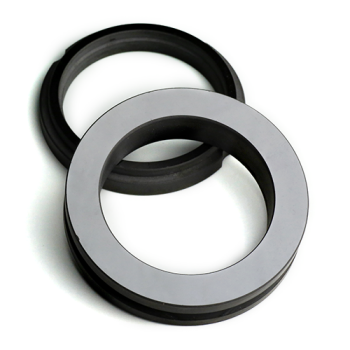
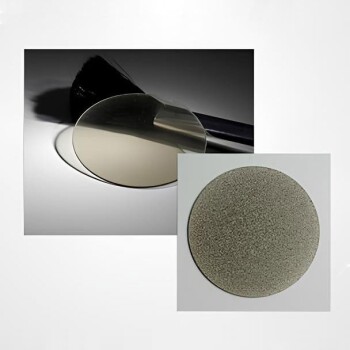
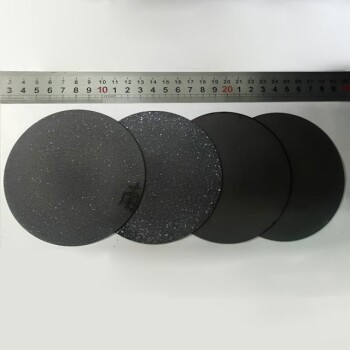
Synthetic diamonds are precision-engineered materials whose properties often exceed those of natural stones, specifically regarding hardness, thermal conductivity, and electron mobility. While chemically identical to natural diamonds, their manufacturing process allows for tailored characteristics that drive 98% of the global demand for industrial-grade diamonds, fueling sectors from heavy manufacturing to quantum computing.
The Core Insight: Synthetic diamonds are not just gem substitutes; they are specialized industrial components. Their value lies in the ability to engineer specific physical extremes—such as optical transparency or thermal stability—to solve engineering challenges that natural materials cannot reliably address.
Engineered Properties for Extreme Performance
Superior Hardness and Durability
Depending on the manufacturing process, synthetic diamonds can possess superior hardness compared to most natural diamonds. This makes them the ultimate material for demanding physical tasks where material wear is a critical failure point.
Exceptional Thermal Conductivity
Synthetic diamonds exhibit low thermal expansion and extremely high thermal conductivity. This property allows them to dissipate heat rapidly, a critical requirement for high-performance electronics and lasers.
High Electron Mobility
For electronic applications, these diamonds offer superior electron mobility. This characteristic is essential for the development of high-frequency field-effect transistors and high-power switches.
Optical and Chemical Stability
They possess high optical transparency across various spectrums (UV, IR, Microwave) and immense chemical stability. This allows them to function in aggressive environments where traditional materials would corrode or degrade.
Transforming High-Tech Industries
The Backbone of Industrial Machining
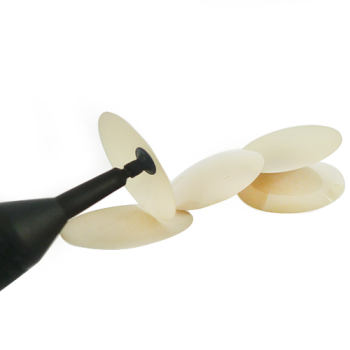
Because of their abrasive properties, synthetic diamonds dominate the tooling industry. They are the standard material for cutting, grinding, and polishing tools, supplying nearly all of the world's industrial diamond needs.
Advanced Electronics and Computing
Beyond basic machinery, they serve as the base material for semiconductor wafers and Qubits used in quantum computing. Their ability to manage heat makes them ideal heat sinks for lasers and transistors.
Optical and Laser Technology
Due to their transparency and resistance to heat, they are used as optical windows in high-power CO2 lasers and gyrotrons. They also serve as window materials for transmitting infrared and microwave radiation.
Scientific Instrumentation and Sensors
In research facilities, synthetic diamond detectors are utilized for monitoring ultraviolet light and high-energy particles. They are also employed in diamond anvils to study substances under massive pressures (up to 2.5 million atmospheres) and as needles for scanning probe microscopes.
Environmental Engineering
Their chemical stability allows them to be used as electrodes in wastewater treatment. They can degrade redox-reactive organic contaminants and treat organic effluents in conditions that would destroy standard electrodes.
Understanding Manufacturing Nuances
Properties Depend on the Process
It is critical to note that the properties of a synthetic diamond vary with the manufacturing process. Not all synthetic diamonds are identical; a stone grown for abrasives may not have the optical clarity required for laser windows.
Structural Imperfections
While chemically pure, synthetic diamonds can exhibit specific defects based on how they were grown. For example, Chemical Vapor Deposition (CVD) diamonds may contain cracks or graphitic inclusions, whereas other methods might introduce metallic inclusions or distinct strain patterns.
Making the Right Choice for Your Goal
When selecting synthetic diamond materials, your choice should be dictated by the specific physical property you need to exploit.
- If your primary focus is heavy industry or machining: Prioritize hardness and abrasive quality, as these stones act as the primary engines for cutting and polishing modern ultrastrong materials.
- If your primary focus is electronics or computing: Look for high thermal conductivity and electron mobility, which are essential for heat sinks, semiconductors, and high-frequency transistors.
- If your primary focus is research or optics: Require high optical transparency and chemical stability to ensure accurate transmission for lasers, UV detectors, and high-pressure anvils.
Synthetic diamonds are no longer just alternatives; they are the enabling material for the next generation of high-power electronics and scientific discovery.
Summary Table:
| Property | Industrial Value | Primary Applications |
|---|---|---|
| Extreme Hardness | Superior wear resistance | Cutting, grinding, and polishing tools |
| Thermal Conductivity | Rapid heat dissipation | Heat sinks for lasers, semiconductors, and transistors |
| Electron Mobility | Efficient charge transport | High-frequency FETs and quantum computing qubits |
| Optical Transparency | Wide spectrum transmission | Windows for CO2 lasers and IR/Microwave radiation |
| Chemical Stability | Corrosion resistance | Wastewater treatment electrodes and scientific sensors |
Elevate Your Research with Precision-Engineered Materials
At KINTEK, we understand that high-performance results require materials that push physical boundaries. Whether you are advancing quantum computing, optimizing industrial machining, or exploring high-pressure physics, our expertise in high-temperature furnaces and laboratory equipment ensures you have the tools to succeed.
From CVD/PECVD systems for diamond growth to crushing and milling systems for material processing, KINTEK provides a comprehensive range of solutions for target industries, including:
- Laboratory Equipment: Muffle, vacuum, and atmosphere furnaces.
- Sample Preparation: Hydraulic presses, pellet dies, and high-pressure reactors.
- Specialized Consumables: Ceramic crucibles, PTFE products, and precision electrodes.
Ready to optimize your laboratory's efficiency? Contact our experts at KINTEK today to find the perfect equipment for your synthetic diamond and materials research applications.
Related Products
- CVD Diamond for Thermal Management Applications
- Custom CVD Diamond Coating for Lab Applications
- CVD Diamond Optical Windows for Lab Applications
- Laboratory CVD Boron Doped Diamond Materials
- CVD Diamond Domes for Industrial and Scientific Applications
People Also Ask
- How long does it take to make a CVD diamond? A Detailed Look at the Growth Timeline
- What are the optical properties of CVD diamond? Unlock Unmatched Performance for Demanding Applications
- What is the hardness of CVD diamond? The Ultimate Guide to Engineered Super-Materials
- What is the chemical vapour deposition method for diamonds? Grow a Diamond from a Gas
- How long does it take to grow a CVD diamond? A 2-4 Week Journey to a Flawless Gem