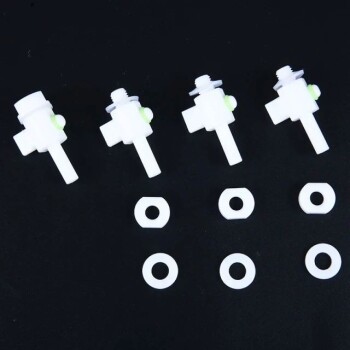
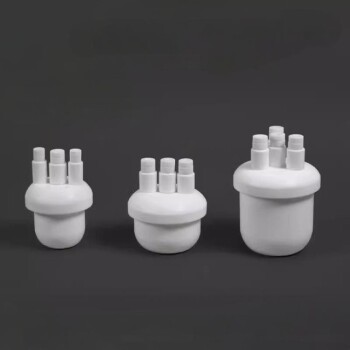
Polytetrafluoroethylene (PTFE) compression tube fittings serve two fundamental roles: they provide a hermetic seal to maintain the internal atmosphere of a vessel and establish total electrical isolation for the installed sensors. These fittings are essential for protecting the physical integrity of the experiment while ensuring the accuracy of weak electrochemical data transmissions.
The core value of a PTFE fitting is its ability to function simultaneously as a robust mechanical seal and a dielectric barrier, preventing both gas leakage and signal interference in sensitive electrochemical environments.
Electrical Isolation and Signal Integrity
Preventing Electrical Interference
In electrochemical applications, the signals transmitted by oxygen sensors and electrodes are often extremely weak. PTFE fittings ensure complete electrical insulation between the electrode and the conductive walls of metal containers.
Eliminating Short Circuits
Without this isolation, the electrode could electrically contact the metal vessel. This would create a short circuit or a ground loop, effectively destroying the validity of the measurement.
Defining the Active Surface
By encasing the non-active parts of the electrode, PTFE helps define the precise exposed working area (e.g., 0.5 cm²). This eliminates edge effects, ensuring that current density calculations remain accurate and undistorted.
Mechanical Sealing and Support
Maintaining Airtight Integrity
High-temperature heating vessels often utilize cover gases that must be contained. PTFE compression fittings create an airtight seal that prevents these gases from leaking out, preserving the controlled environment required for the reaction.
Providing Physical Stability
Beyond sealing, the fitting acts as a mechanical anchor. It provides the necessary physical support to hold the electrode or sensor firmly in position, preventing movement that could alter the sensor's placement within the medium.
Chemical Resistance
PTFE possesses excellent acid resistance. This property ensures that the fitting itself does not degrade or react with corrosive media, ensuring that only the intended metal surface of the electrode interacts with the solution.
Understanding the Limitations
Temperature Constraints
While the primary reference notes the use of PTFE in "high-temperature" vessels, it is critical to remember that PTFE has a thermal limit (typically around 260°C). Exceeding this can cause the material to soften, compromising both the seal and the physical support.
Mechanical Creep
PTFE is subject to "cold flow" or creep under sustained compression. Over long periods or extreme thermal cycling, the compression seal may require re-tightening to maintain its airtight integrity.
Making the Right Choice for Your Project
To ensure your setup is optimized for your specific requirements, consider the following:
- If your primary focus is signal precision: Ensure the PTFE fitting fully isolates the electrode from the vessel wall to prevent ground loops and define the working area strictly.
- If your primary focus is environmental control: Verify that the compression fitting is torqued correctly to prevent cover gas leakage, but monitor it for creep if the vessel undergoes thermal cycling.
Ultimately, the correct use of PTFE fittings transforms a standard vessel into a precision electrochemical testing environment by isolating variables and securing the system.
Summary Table:
| Feature | Role of PTFE Fitting | Benefit to Research |
|---|---|---|
| Electrical Isolation | Dielectric barrier between electrode & vessel | Prevents short circuits and signal interference |
| Airtight Sealing | Hermetic compression seal | Maintains controlled atmosphere and prevents gas leaks |
| Chemical Stability | High resistance to acids/solvents | Prevents contamination and fitting degradation |
| Mechanical Support | Secure physical anchoring | Ensures stable sensor positioning and defined surface area |
| Operating Range | Up to 260°C thermal limit | Reliable performance in moderate high-temperature environments |
Elevate Your Electrochemical Research with KINTEK Precision
Don't let signal interference or gas leaks compromise your experimental data. KINTEK specializes in high-performance laboratory solutions, providing everything from PTFE consumables and electrodes to high-temperature high-pressure reactors and autoclaves. Our expertise in electrical isolation and hermetic sealing ensures your sensors and electrodes deliver the accuracy your research demands.
Whether you need robust electrolytic cells, pellet presses, or specialized crushing and milling systems, KINTEK is your partner in laboratory excellence.
Ready to optimize your lab setup? Contact our technical experts today to find the perfect fit for your specific application!
References
- Masatoshi Kondo, T. Muroga. On-line monitoring of oxygen potential and structure of oxide layer in liquid metals by electrochemical methods. DOI: 10.1299/transjsme.16-00412
This article is also based on technical information from Kintek Solution Knowledge Base .
Related Products
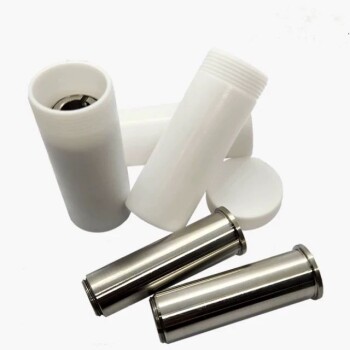
- Custom PTFE Teflon Parts Manufacturer for PTFE Bottle Oil Fume Sampling Tube
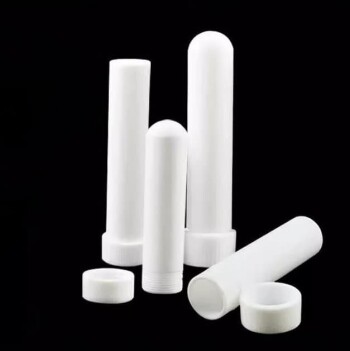
- Custom PTFE Teflon Parts Manufacturer for Centrifuge Tubes
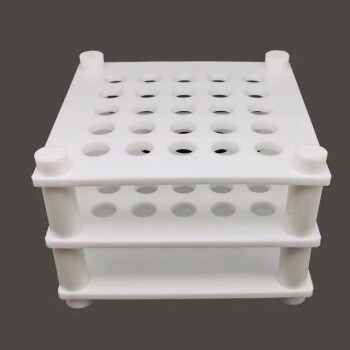
- Custom PTFE Teflon Parts Manufacturer for Centrifuge Tube Racks
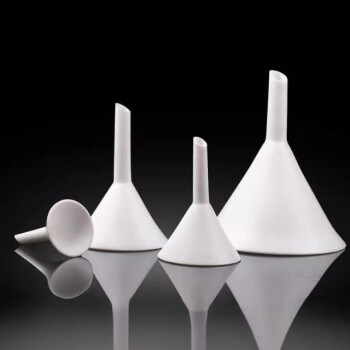
- Custom PTFE Teflon Parts Manufacturer for PTFE Buchner Funnel and Triangular Funnel
- Custom PTFE Teflon Parts Manufacturer for Gaskets and More
People Also Ask
- Why is slender PTFE tubing necessary for flow control in multi-channel catalyst aging? Ensure Equal Gas Distribution
- What is the significance of using PTFE gas tubing for HCl? Ensure Pure, Corrosion-Free Salt Formation
- Why Use PTFE Sample Bottles for Coal Demineralization? Ensure Chemical Stability and Data Integrity
- What makes PTFE bottles suitable for static leaching? Ensure Zero-Contamination for Glass Testing
- Is PTFE corrosion resistant? Discover the Ultimate Chemical Resistance for Your Lab