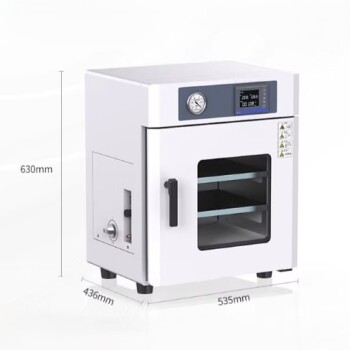
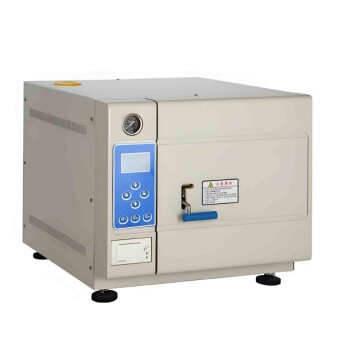
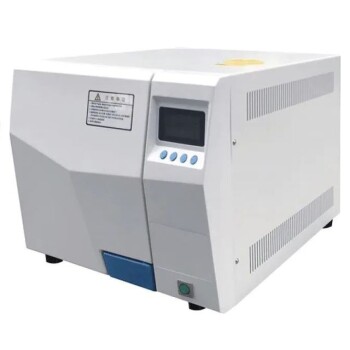
The core process function of a Laboratory Oven in this context is to drive the dehydration condensation reaction. By maintaining a precise and stable thermal environment (specifically cited at 60 °C), the oven provides the necessary energy to chemically bond the silane coupling agent to the hydroxyl groups on the glass fiber membrane's surface.
Key Takeaway: The oven does not simply dry the membrane; it acts as a reactor that finalizes the chemical structure. It converts a physical coating into a permanently bonded modification through thermal acceleration, ensuring long-term mechanical stability.
The Mechanism of Thermal Modification
Accelerating Dehydration Condensation
The primary chemical objective during this phase is dehydration condensation.
The oven supplies heat to remove water molecules produced when the silane coupling agent reacts with the membrane.
By driving off this water, the equilibrium of the reaction shifts, forcing the chemicals to link together rather than remaining as separate entities.
Creating a Stable Reaction Environment
For this chemical process to occur efficiently, the thermal environment must be stable.
Fluctuations in temperature can lead to incomplete reactions or uneven coating properties.
The reference highlights 60 °C as a specific target temperature used to optimize this acceleration without damaging the substrate.
Structural and Physical Outcomes
Formation of Covalent Bonds (Si-O-Si)
The heat treatment is directly responsible for the formation of Si-O-Si chemical covalent bonds.
These bonds represent a strong atomic link between the modified coating and the glass fiber substrate.
Without this thermal step, the coating might only rely on weak physical adsorption, which is easily reversed.
Enhancing Durability
The ultimate goal of using the oven is to secure the mechanical stability of the membrane.
Because the heat ensures a chemical bond rather than a physical one, the coating becomes robust.
This allows the membrane to withstand harsh chemical environments without the coating detaching or degrading.
Operational Considerations
The Necessity of Precision
While heat is the catalyst, the specificity of the temperature is vital.
The process relies on a "stable thermal environment," implying that temperature spikes or drops could compromise the integrity of the Si-O-Si bonds.
Insufficient heat would fail to drive the dehydration fully, leaving the coating vulnerable to washing off.
Process Timing
The acceleration of the reaction implies a dependency on time as well as temperature.
The oven reduces the time required for these bonds to form compared to curing at ambient temperatures.
This efficiency is critical for moving membranes from the modification stage to practical use.
Optimizing Your Modification Protocol
To ensure the highest quality coating modification, align your oven settings with your specific performance goals:
- If your primary focus is Long-Term Durability: Ensure the oven maintains a stable 60 °C to guarantee the complete formation of Si-O-Si covalent bonds.
- If your primary focus is Chemical Resistance: Verify that the thermal treatment duration is sufficient to fully drive the dehydration condensation, leaving no unreacted hydroxyl groups.
Correctly applied thermal treatment is the difference between a temporary surface layer and a permanently modified, high-performance membrane.
Summary Table:
| Process Element | Functional Role | Outcome |
|---|---|---|
| Energy Source | Supplies precise heat (60 °C) | Catalyzes dehydration condensation reaction |
| Chemical Driver | Removes water molecules | Shifts equilibrium to favor covalent bonding |
| Bond Formation | Creates Si-O-Si linkages | Converts physical coating to chemical modification |
| Structural Impact | Ensures mechanical stability | High resistance to harsh chemical environments |
Elevate Your Material Modification with KINTEK Precision
To achieve permanent, high-performance coatings on glass fiber membranes, precision is non-negotiable. KINTEK specializes in advanced laboratory equipment designed to maintain the stable thermal environments required for critical reactions like dehydration condensation.
Beyond our high-performance laboratory ovens, our comprehensive portfolio includes:
- High-Temperature Furnaces: Muffle, tube, and vacuum furnaces for demanding thermal processing.
- Precision Reactors: High-temperature high-pressure reactors and autoclaves for chemical synthesis.
- Processing Systems: Crushing, milling, and hydraulic presses (isostatic, hot, and pellet).
- Consumables: High-quality ceramics, crucibles, and PTFE products to ensure contamination-free results.
Whether you are refining battery research or developing resilient membranes, KINTEK provides the tools to ensure your chemical bonds are as strong as your science. Contact us today to optimize your lab's performance!
References
- Seeun Woo, Woonbong Hwang. Robust and continuous oil/water separation with superhydrophobic glass microfiber membrane by vertical polymerization under harsh conditions. DOI: 10.1038/s41598-020-78271-9
This article is also based on technical information from Kintek Solution Knowledge Base .
Related Products
- Laboratory Scientific Electric Heating Blast Drying Oven
- 56L Vertical Laboratory Vacuum Drying Oven
- 23L Laboratory Vacuum Drying Oven
- 1200℃ Muffle Furnace Oven for Laboratory
- 1700℃ Muffle Oven Furnace for Laboratory
People Also Ask
- How does a laboratory electric drying oven contribute to the formation of the initial coating? Expert Insights
- What role does a precision laboratory drying oven play in the synthesis of GO-PANI nanocomposites? Protect Material Integrity
- What role does a laboratory drying oven play in the preparation of zinc oxide nanoparticle precursors?
- What is the necessity of using a laboratory drying oven when processing MoO3/GO composite nanopowders? Find out here.
- What is the role of a laboratory drying oven in cellulose citrate production? Ensure Material Stability & Purity