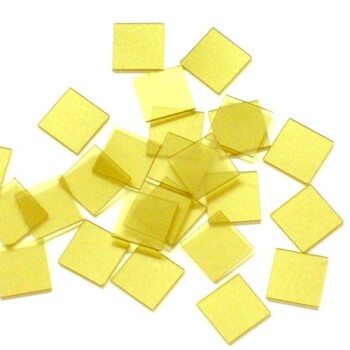
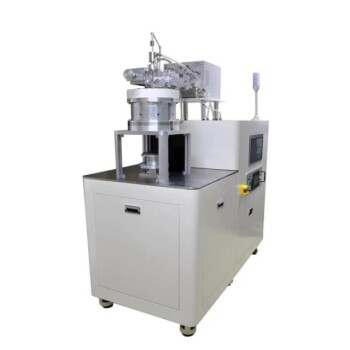
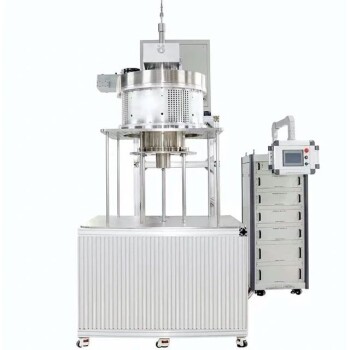
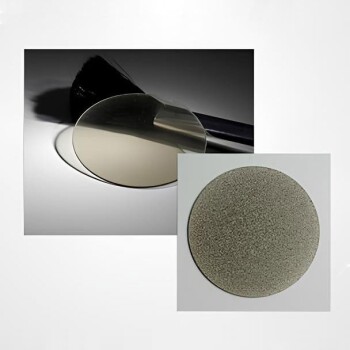
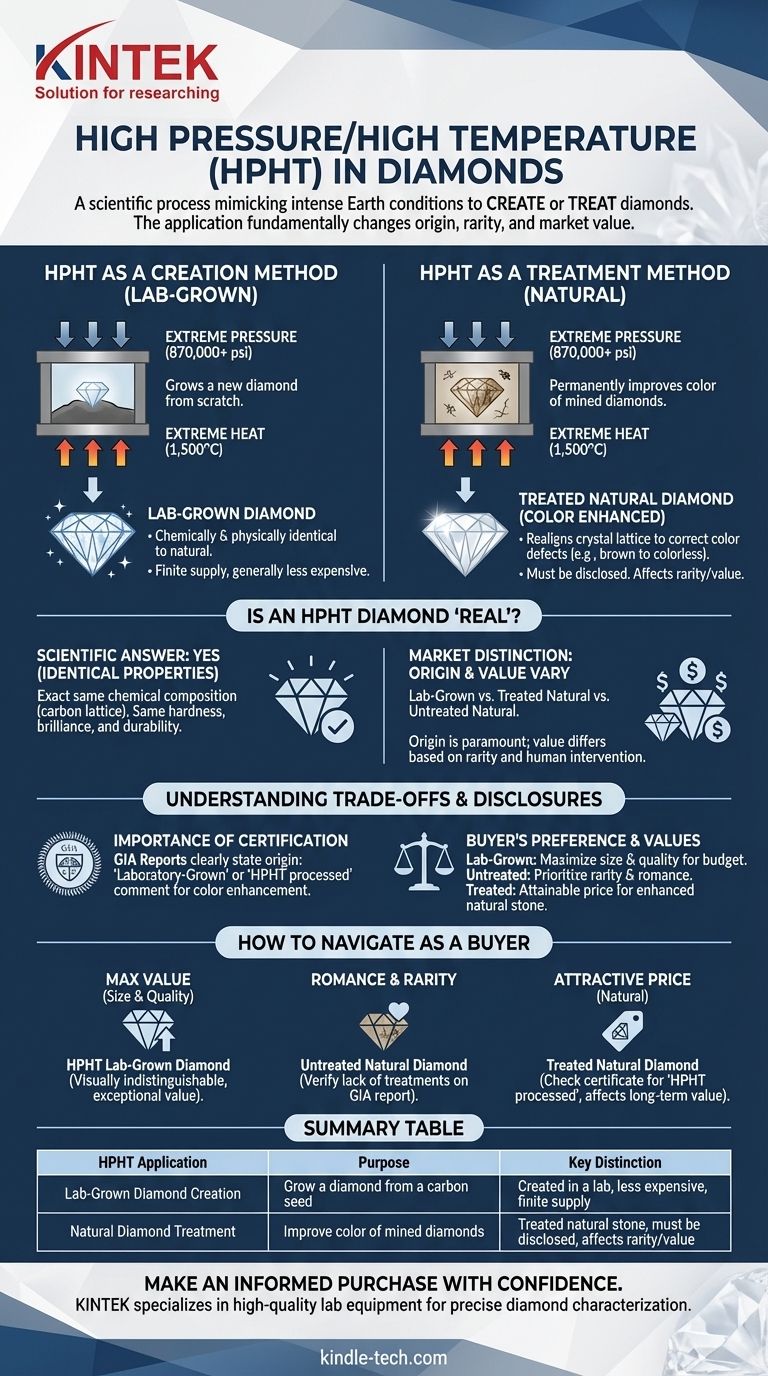
In the world of diamonds, HPHT stands for High Pressure/High Temperature. This term describes a scientific process that mimics the intense conditions deep within the Earth where diamonds naturally form. It is used for two distinct purposes: to create diamonds in a laboratory and to permanently improve the color of certain natural, mined diamonds.
The critical distinction to understand is how the HPHT process was used. Whether it was applied to create a new lab-grown diamond or to treat an existing natural diamond fundamentally changes its origin, rarity, and market value.
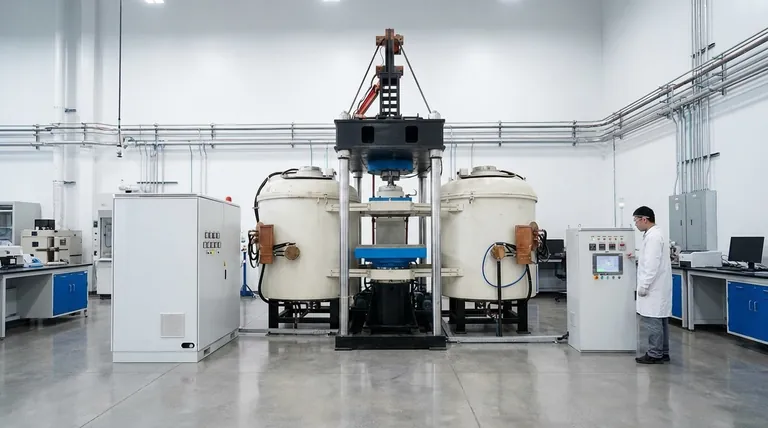
The Two Roles of HPHT in the Diamond Industry
The same core technology serves two very different functions in the diamond market. Confusing these two applications is a common source of misunderstanding for buyers.
HPHT as a Creation Method (Lab-Grown Diamonds)
The HPHT process can grow a diamond from scratch. It is one of the primary methods for creating lab-grown diamonds.
A small diamond "seed" is placed in a chamber with pure carbon. The chamber is then subjected to immense pressure (over 870,000 pounds per square inch) and extreme heat (around 1,500°C), simulating the Earth's mantle.
Under these conditions, the carbon melts and crystallizes onto the diamond seed, growing a new, larger diamond over several weeks. This created stone is chemically and physically identical to a mined diamond.
HPHT as a Treatment Method (Natural Diamonds)
The HPHT process can also be used as a permanent treatment to enhance the color of a natural, mined diamond.
Some natural diamonds, particularly those with a brownish tint (often Type IIa diamonds), have color imperfections in their crystal lattice. Subjecting these already-formed diamonds to the HPHT process can realign their internal structure.
This corrects the imperfections responsible for the undesirable color, often improving the diamond's color grade by several levels, sometimes turning a brownish stone into a colorless one. This is a permanent enhancement that must be disclosed by the seller.
Is an HPHT Diamond a "Real" Diamond?
This question is at the heart of the matter for most buyers. The answer depends on whether you are asking a scientist or a market analyst.
The Scientific Answer: Identical Properties
From a gemological standpoint, the answer is an unequivocal yes. Both HPHT-created and HPHT-treated diamonds are real diamonds.
They possess the exact same chemical composition (carbon atoms in a cubic lattice) and physical properties as any untreated, natural diamond. They are just as hard, brilliant, and durable.
The Market Distinction: Origin and Value
In the market, the origin is paramount. A lab-grown HPHT diamond is valued differently from a natural HPHT-treated diamond, and both are valued differently from an untreated natural diamond.
A lab-grown diamond is less expensive because its supply is not finite; more can be created. A treated natural diamond is typically less valuable than an untreated natural diamond of the same final quality because the market places a premium on stones that are perfect without human intervention.
Understanding the Trade-offs and Disclosures
Transparency is the most important factor when dealing with any diamond that has undergone the HPHT process.
The Importance of Certification
A reputable grading report from an institution like the GIA (Gemological Institute of America) is your best protection. It will always clearly state a diamond's origin.
A lab-grown diamond will be identified as "Laboratory-Grown." A treated natural diamond will have a comment such as "HPHT processed" to indicate the color enhancement.
Lab-Grown vs. Natural: A Matter of Preference
Choosing a lab-grown HPHT diamond is not a "worse" choice; it is a different one. Buyers often choose them to get a larger or higher-quality stone for their budget.
The choice hinges on personal values, whether you prioritize the rarity of a mined gem or the value and technology of a lab-created one.
Treated vs. Untreated: A Matter of Purity
An HPHT-treated natural diamond is still a gem from the Earth. However, its final beauty is the result of both nature and technology.
The market values untreated diamonds more highly due to their rarity. A buyer must decide if they are comfortable with a color-enhanced stone in exchange for a more accessible price point.
How to Navigate HPHT Diamonds as a Buyer
Your decision should be guided by your primary goal for the purchase. A reputable certificate will always provide the facts you need to make an informed choice.
- If your primary focus is maximizing size and visual quality for your budget: An HPHT lab-grown diamond offers exceptional value and is visually indistinguishable from a mined diamond.
- If your primary focus is the romance and rarity of a mined stone: Seek an untreated natural diamond and be sure to verify its origin and lack of treatments on its GIA report.
- If you are considering a natural diamond at an attractive price: Always check its certification for any mention of "HPHT processed" or "color enhanced," as this directly impacts its rarity and long-term value.
Ultimately, understanding the role of HPHT empowers you to choose a diamond that aligns perfectly with your priorities and budget.
Summary Table:
| HPHT Application | Purpose | Result | Key Distinction |
|---|---|---|---|
| Lab-Grown Diamond Creation | Grow a diamond from a carbon seed | Chemically identical to natural diamond | Created in a lab, less expensive, finite supply |
| Natural Diamond Treatment | Improve color of mined diamonds | Permanent color enhancement (e.g., brown to colorless) | Treated natural stone, must be disclosed, affects rarity/value |
Make an informed diamond purchase with confidence. Whether you're a jeweler, researcher, or gemologist, understanding HPHT is crucial for evaluating diamond quality and value. At KINTEK, we specialize in providing high-quality lab equipment and consumables that support advanced material testing and gemological analysis. Let us help you equip your laboratory with the tools needed for precise diamond characterization. Contact our experts today to discuss your specific needs!
Visual Guide
Related Products
- Horizontal High Temperature Graphite Vacuum Graphitization Furnace
- Manual High Temperature Heated Hydraulic Press Machine with Heated Plates for Lab
- HFCVD Machine System Equipment for Drawing Die Nano-Diamond Coating
- Laboratory High Pressure Vacuum Tube Furnace
- Customizable Laboratory High Temperature High Pressure Reactors for Diverse Scientific Applications
People Also Ask
- Can a horizontal furnace be installed vertically? The Critical Safety Risks Explained
- What are the advantages and disadvantages of graphite furnace? Unlock Extreme Heat Performance
- Can a horizontal furnace be used vertically? Understanding the Critical Design and Safety Factors
- What is a horizontal furnace? The Ideal Heating Solution for Tight Spaces
- What gas is used in graphite furnace? Maximize Accuracy with the Right Inert Gas