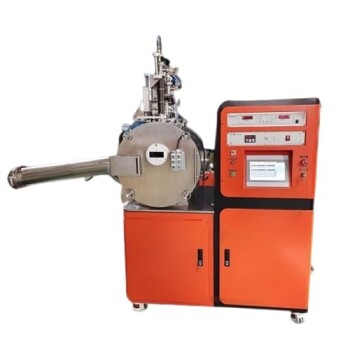
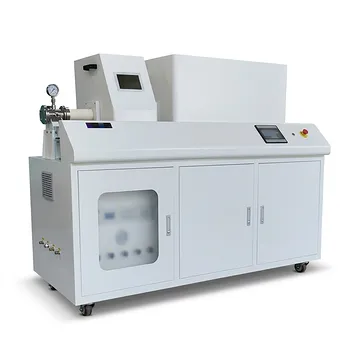
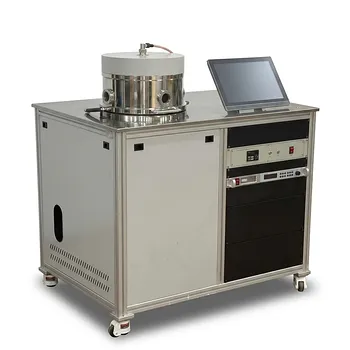
Plasma melting is a high-purity metallurgical process that uses a jet of high-temperature ionized gas (plasma) to melt metals and other materials. Unlike conventional methods that heat the material indirectly, a plasma arc transfers intense, concentrated energy directly to the target, enabling extremely high temperatures and precise control.
The central advantage of plasma melting is not just its heat, but its precision and purity. It creates an ultra-clean melting environment, making it the superior choice for producing high-performance alloys and processing reactive metals that would be contaminated by other methods.
The Core Mechanism: How Plasma Achieves Melting
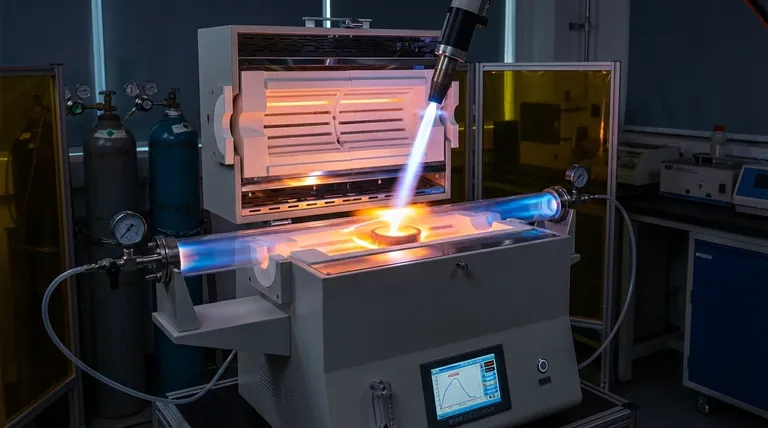
Plasma melting technology is centered around the plasma torch, which functions as a highly controlled heat source. The process is both elegant and powerful, relying on fundamental principles of physics to achieve its results.
Generating the Plasma Arc
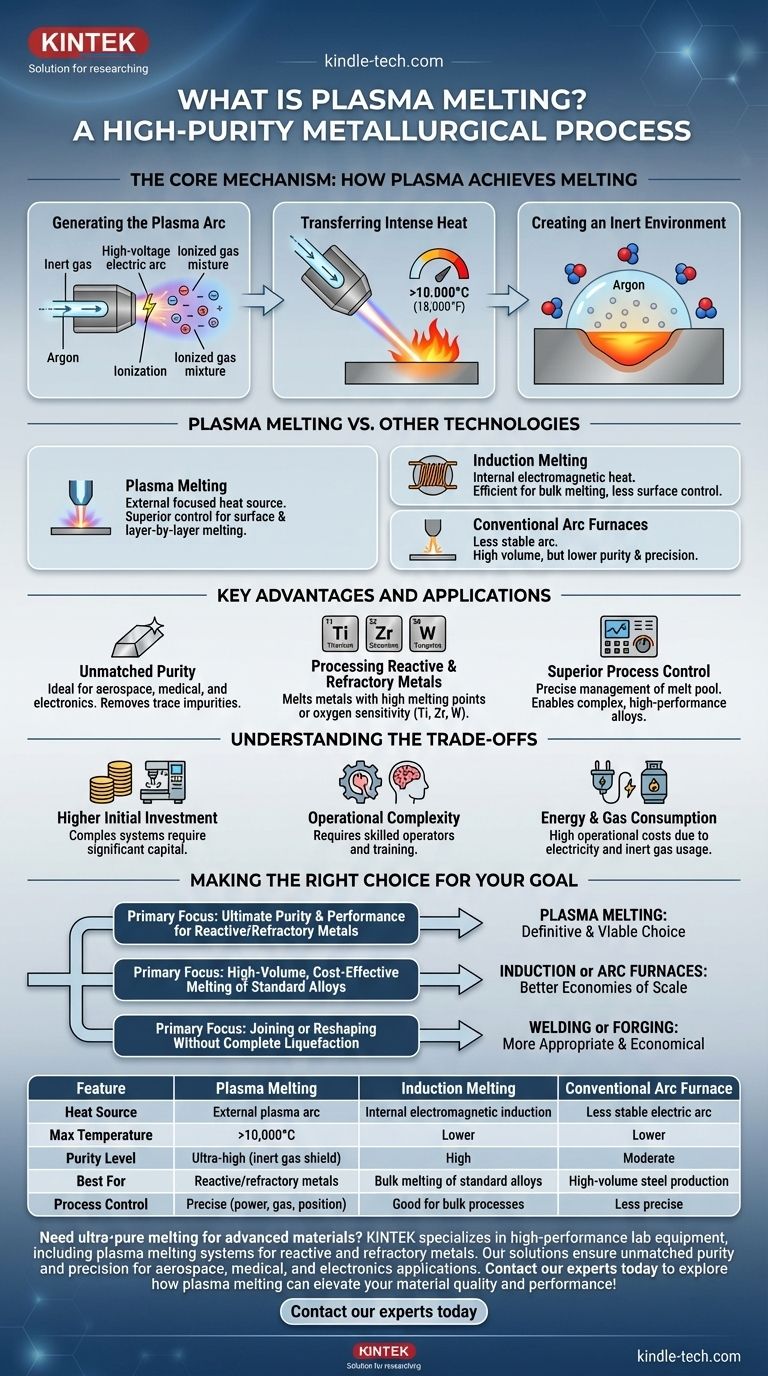
A plasma torch works by passing an inert gas, such as argon, through a high-voltage electric arc. This intense energy strips electrons from the gas atoms, a process called ionization. The resulting mixture of ions and electrons is plasma—an electrically conductive state of matter.
Transferring Intense Heat
This plasma is forced through a nozzle at high velocity, creating a focused jet that can reach temperatures exceeding 10,000°C (18,000°F). When this jet strikes the target metal, it transfers its thermal energy with incredible efficiency, causing rapid and localized melting.
Creating an Inert Environment
Because the process uses an inert gas like argon, the molten metal is shielded from oxygen and nitrogen in the atmosphere. This prevents the formation of oxides and nitrides, which are impurities that can degrade the quality and performance of the final material.
Plasma Melting vs. Other Technologies
To understand the value of plasma melting, it's essential to compare it to more common industrial processes. Its unique characteristics make it suitable for applications where other methods fall short.
Comparison with Induction Melting
Induction melting, as described in the references, uses an electromagnetic field to generate heat within the metal itself. This is highly efficient for bulk melting but offers less control over the surface and can be less effective for materials with poor electrical conductivity.
Plasma melting, in contrast, applies heat externally with a focused arc. This provides superior control for surface treatments and for melting materials in a more controlled, layer-by-layer fashion if needed.
Comparison with Conventional Arc Furnaces
Traditional electric arc furnaces also use an electric arc, but it is much less stable and focused than a plasma jet. They are the workhorses of steel recycling and production but do not offer the same level of purity or temperature control as a plasma system.
Key Advantages and Applications
The unique properties of plasma melting give it distinct advantages in specialized, high-value manufacturing and materials science.
Unmatched Purity
The inert gas environment and the clean nature of the heat source result in an exceptionally pure final product. This is critical for applications in the aerospace, medical, and electronics industries, where even trace impurities can lead to material failure.
Processing Reactive and Refractory Metals
Plasma is the ideal technology for melting metals like titanium, zirconium, and tungsten. These metals have very high melting points (refractory) or react aggressively with oxygen at high temperatures (reactive). Plasma melting solves both challenges simultaneously.
Superior Process Control
The operator has precise control over the power, gas flow, and position of the plasma arc. This allows for meticulous management of the melt pool, ensuring consistent quality and enabling the creation of complex, high-performance alloys.
Understanding the Trade-offs
No technology is without its limitations. Objectivity requires acknowledging where plasma melting may not be the best fit.
Higher Initial Investment
Plasma melting systems are complex and require a significant capital investment compared to traditional furnaces. The torches, power supplies, and gas management systems are sophisticated pieces of equipment.
Operational Complexity
Operating a plasma furnace requires a higher level of skill and training. Managing the process parameters to ensure optimal results is more demanding than operating simpler melting systems.
Energy and Gas Consumption
While efficient at transferring heat, plasma systems consume a substantial amount of electricity and inert gas. This makes the operational costs higher, particularly for large-scale production where economy of scale is a primary driver.
Making the Right Choice for Your Goal
Selecting the correct melting technology depends entirely on your material, your desired outcome, and your budget.
- If your primary focus is ultimate purity and performance for reactive or refractory metals: Plasma melting is the definitive and often the only viable choice.
- If your primary focus is high-volume, cost-effective melting of standard alloys like steel or aluminum: Induction or conventional electric arc furnaces offer better economies of scale.
- If your primary focus is joining or reshaping existing components without complete liquefaction: Other methods like welding or forging are more appropriate and economical.
Ultimately, adopting plasma melting is a strategic decision to prioritize material quality and performance above all else.
Summary Table:
| Feature | Plasma Melting | Induction Melting | Conventional Arc Furnace |
|---|---|---|---|
| Heat Source | External plasma arc | Internal electromagnetic induction | Less stable electric arc |
| Max Temperature | >10,000°C (18,000°F) | Lower than plasma | Lower than plasma |
| Purity Level | Ultra-high (inert gas shield) | High | Moderate |
| Best For | Reactive/refractory metals (Titanium, Tungsten) | Bulk melting of standard alloys | High-volume steel production |
| Process Control | Precise (power, gas flow, position) | Good for bulk processes | Less precise |
Need ultra-pure melting for advanced materials? KINTEK specializes in high-performance lab equipment, including plasma melting systems for reactive and refractory metals. Our solutions ensure unmatched purity and precision for aerospace, medical, and electronics applications. Contact our experts today to explore how plasma melting can elevate your material quality and performance!
Visual Guide
Related Products
- Spark Plasma Sintering Furnace SPS Furnace
- Chemical Vapor Deposition CVD Equipment System Chamber Slide PECVD Tube Furnace with Liquid Gasifier PECVD Machine
- Microwave Plasma Chemical Vapor Deposition MPCVD Machine System Reactor for Lab and Diamond Growth
- Vacuum Induction Melting Spinning System Arc Melting Furnace
- Inclined Rotary Plasma Enhanced Chemical Vapor Deposition PECVD Equipment Tube Furnace Machine
People Also Ask
- What is the difference between spark plasma sintering and flash sintering? A Guide to Advanced Sintering Methods
- What is the theory of spark plasma sintering? A Guide to Rapid, Low-Temperature Densification
- What is the process fundamentals of spark plasma sintering? Achieve Rapid, High-Density Material Consolidation
- What technical advantages does a Spark Plasma Sintering (SPS) furnace offer for LZP ceramics? Enhance Ionic Conductivity
- What is the pressure for spark plasma sintering? A Guide to Optimizing SPS Parameters