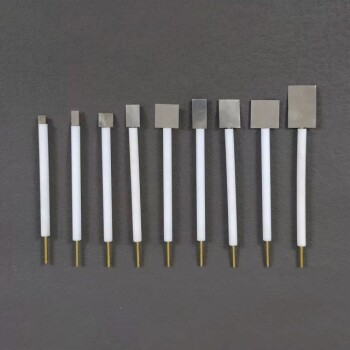
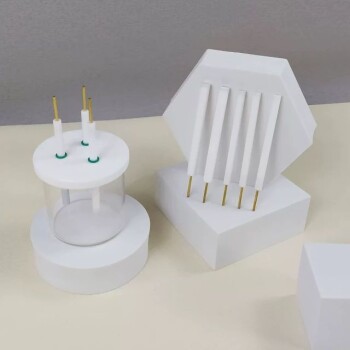
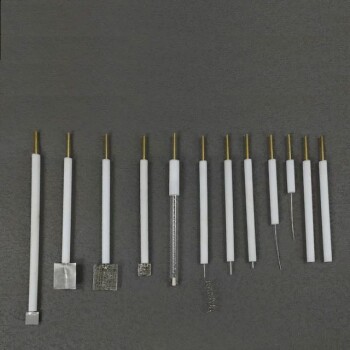
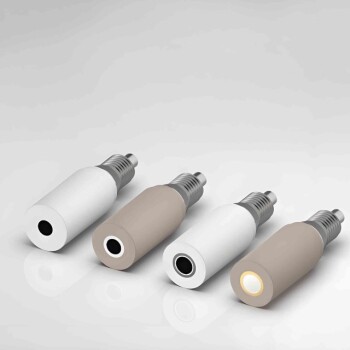
The primary function of a platinum (Pt) mesh counter electrode is to complete the electrical circuit and maintain charge balance within an electrochemical cell. It facilitates the necessary counter-reaction—such as the Hydrogen Evolution Reaction (HER)—to ensure that the electrical current can flow freely between the working electrode and the electrolyte. By providing a high-conductivity, inert pathway, it ensures that the measured data reflects the properties of the working electrode alone.
In a three-electrode system, the platinum mesh acts as a chemically stable conduit for charge that prevents the counter-reaction from limiting the overall rate of the test. This allows for the precise measurement of kinetic data, overpotentials, and Tafel slopes without interference from electrode polarization or dissolution.
The Role in the Three-Electrode System
Completing the Electrical Circuit
The counter electrode (CE) serves as a sink or source for electrons flowing to or from the working electrode (WE). Without the CE, the electrochemical workstation could not maintain a continuous flow of current through the electrolyte.
Maintaining Charge Balance
In systems testing the Oxygen Evolution Reaction (OER), the platinum mesh typically carries the Hydrogen Evolution Reaction (HER). This balance of oxidation and reduction reactions ensures that the electrolyte remains electrically neutral during the experiment.
Isolating the Potential Measurement
By providing a dedicated path for current, the platinum mesh allows the reference electrode to measure the potential of the working electrode without being affected by the voltage drops associated with the current flow. This leads to much more accurate polarization curves and impedance data.
Why Platinum is the Preferred Material
Exceptional Chemical Stability
Platinum is chosen for its chemical inertness, particularly in harsh environments like 1 M KOH or acidic electrolytes. Unlike base metals, it does not dissolve or participate in side reactions that could contaminate the electrolyte or the working electrode surface.
High Electrocatalytic Activity
Platinum has a high inherent activity for common counter-reactions like HER. This high activity results in low polarization resistance, meaning the counter electrode can "keep up" with the working electrode without requiring high overpotentials that might destabilize the system.
Superior Electrical Conductivity
As a noble metal, platinum offers excellent electrical conductivity. This minimizes ohmic losses within the electrode itself, ensuring that the current signals recorded by the workstation are high-fidelity and noise-free.
The Advantage of the Mesh Configuration
Surface Area Optimization
The "mesh" structure provides a significantly higher surface area compared to a solid wire or small plate. In electrochemical testing, the counter electrode should ideally have a much larger surface area than the working electrode to ensure the CE never becomes the rate-limiting factor.
Uniform Current Distribution
A platinum mesh allows for a more uniform distribution of current lines across the electrolyte. This uniformity is critical for achieving a consistent potential across the surface of the working electrode, which is essential for accurate dynamic potential polarization curves.
Understanding the Trade-offs
Cost and Material Expenses
Platinum is a precious metal, making mesh electrodes significantly more expensive than alternatives like graphite or stainless steel. For large-scale industrial applications or routine testing where high precision isn't required, the cost can be a prohibitive factor.
Risk of Trace Contamination
While platinum is generally inert, under specific high-potential conditions, trace amounts of platinum can dissolve and redeposit onto the working electrode (the "Pt-transfer" effect). This can lead to false-positive results, especially when testing non-precious metal catalysts for hydrogen evolution.
Cleaning and Maintenance
To maintain its high catalytic activity, the mesh must be properly cleaned (often via flame drying or acid washing) between experiments. Contaminants adsorbed on the platinum surface can increase polarization resistance and reduce the reliability of the test results.
How to Apply This to Your Testing
Selecting the right electrode setup depends on your specific research goals and the sensitivity of your materials.
- If your primary focus is high-precision kinetic studies: Use a high-purity platinum mesh with a surface area at least 10 times larger than your working electrode to ensure the counter-reaction is never rate-limiting.
- If your primary focus is testing in highly alkaline electrolytes (e.g., 1 M KOH): Platinum is the gold standard due to its stability against dissolution, which prevents interference with overpotential and Tafel slope measurements.
- If your primary focus is long-term stability testing at high currents: Monitor the electrolyte for trace platinum dissolution, as redeposition on your working electrode can artificially inflate the perceived activity of your catalyst.
The platinum mesh counter electrode remains the definitive tool for researchers who require an uncompromising balance of conductivity, stability, and catalytic speed.
Summary Table:
| Key Feature | Benefit | Importance in Electrochemical Testing |
|---|---|---|
| Platinum Material | Exceptional chemical inertness | Prevents electrolyte contamination and side reactions. |
| Mesh Configuration | High surface-to-volume ratio | Ensures the counter-reaction is never the rate-limiting factor. |
| High Conductivity | Minimal ohmic losses | Provides high-fidelity current signals and noise-free data. |
| Catalytic Activity | Low polarization resistance | Stabilizes the system for accurate overpotential measurements. |
Elevate Your Research Precision with KINTEK
Maximize the accuracy of your electrochemical studies with KINTEK’s premium laboratory solutions. We specialize in high-performance electrolytic cells and electrodes, including high-purity platinum mesh, designed to withstand harsh environments and deliver reliable kinetic data.
Beyond electrochemistry, KINTEK offers a comprehensive range of equipment to support your entire workflow:
- Thermal Processing: Muffle, tube, vacuum, and CVD furnaces.
- Sample Preparation: Crushing, milling, sieving, and hydraulic presses.
- Advanced Reactors: High-temperature high-pressure reactors and autoclaves.
- Lab Essentials: ULT freezers, homogenizers, and high-quality ceramic or PTFE consumables.
Ready to optimize your lab setup? Contact our experts today to find the perfect tools for your specific research needs!
References
- Bilal Sarfraz, Khalid Mahmood. Bifunctional CuS/Cl-terminated greener MXene electrocatalyst for efficient hydrogen production by water splitting. DOI: 10.1039/d3ra02581k
This article is also based on technical information from Kintek Solution Knowledge Base .
Related Products
- Platinum Sheet Electrode for Laboratory and Industrial Applications
- Rotating Platinum Disk Electrode for Electrochemical Applications
- Platinum Sheet Electrode for Battery Lab Applications
- Platinum Auxiliary Electrode for Laboratory Use
- RRDE rotating disk (ring disk) electrode / compatible with PINE, Japanese ALS, Swiss Metrohm glassy carbon platinum
People Also Ask
- What is a common use for a platinum sheet electrode? As a Reliable Counter Electrode in Electrochemical Cells
- What is the most critical guideline for immersing a platinum sheet electrode in an electrolyte? Ensure Accurate Electrochemical Measurements
- What is the purity of the platinum sheet in a platinum sheet electrode? The Key to Reliable Electrochemical Data
- What is the expected lifespan of a platinum sheet electrode? Maximize Your Electrode's Service Life
- What are the available specifications for platinum sheet electrodes? Find the Perfect Fit for Your Electrochemical Needs