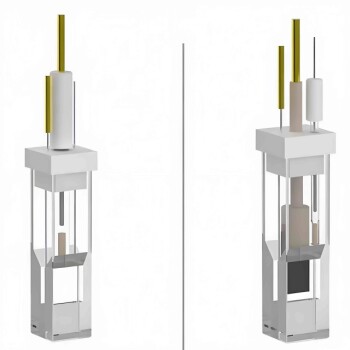
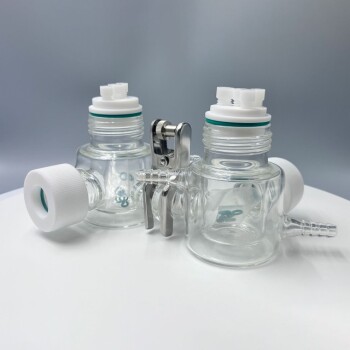
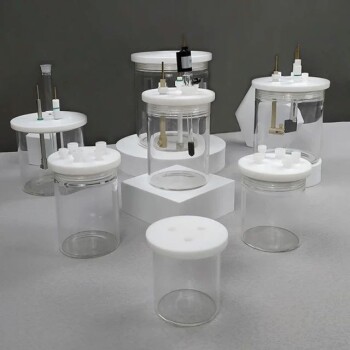
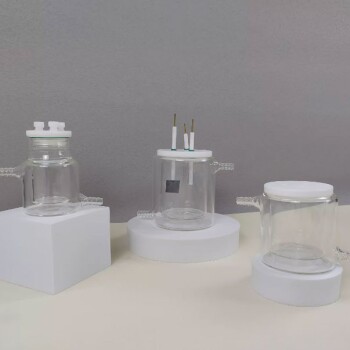
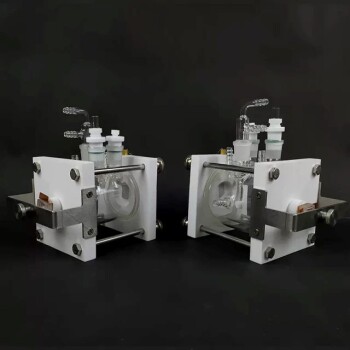
A transparent acrylic electrolytic cell serves as a precision instrument for isolating physical variables in electrolysis. It provides a static environment that allows for the direct visual monitoring of reaction dynamics. Its primary technical function, however, is to facilitate the flexible adjustment of electrode spacing using replaceable internal components.
By mechanically altering the distance between electrodes without changing the electrolyte concentration, this apparatus enables the precise quantitative isolation of electrolyte resistance and its specific impact on total energy consumption.
Core Capabilities of the Cell
The design of the transparent acrylic cell addresses two fundamental needs in electrochemical research: visual access and geometric control.
Facilitating Direct Observation
The use of transparent acrylic creates a clear window into the reactor. This allows for direct observation of the process, ensuring that researchers can visually monitor the static reaction environment in real-time.
Mechanical Gap Adjustment
The cell utilizes replaceable internal components to physically shift the position of the electrodes. This design allows for the precise setting of distances between the anode, cathode, and the diaphragm.
Isolating Resistance from Concentration
In standard experiments, changing conditions often inadvertently alters the chemical composition. This cell allows you to change the geometry (the gap) without altering the electrolyte concentration. This ensures that any measured change in energy consumption is attributable solely to the physical resistance of the electrolyte path.
Understanding the Operational Context
While this cell is a powerful tool for fundamental analysis, it is designed for a specific type of study.
Static vs. Dynamic Conditions
The cell is explicitly designed to provide a static reaction environment. This makes it ideal for isolating specific variables like distance and resistance in a controlled manner.
However, because the environment is static, it may not perfectly replicate the complex hydrodynamics found in high-flow or continuous industrial electrolyzers.
Making the Right Choice for Your Goal
When integrating this apparatus into your experimental design, consider your specific analytical needs.
- If your primary focus is mechanism verification: Leverage the transparent walls for direct visual confirmation of reaction stability and physical phenomena inside the cell.
- If your primary focus is energy optimization: Use the replaceable components to systematically vary the gap, quantifying exactly how electrolyte resistance drives power costs.
This tool transforms the complex variable of cell geometry into a controllable constant, providing the data needed to minimize energy waste.
Summary Table:
| Feature | Technical Function | Benefit to Research |
|---|---|---|
| Transparent Acrylic | Provides clear visual access to the reactor | Real-time monitoring of reaction dynamics and stability |
| Mechanical Gap Control | Replaceable internal components for spacing | Precise adjustment of distance between anode, cathode, and diaphragm |
| Static Environment | Maintains fixed chemical concentration | Isolates electrolyte resistance from chemical variables |
| Variable Isolation | Decouples geometry from concentration | Quantifies the direct impact of physical resistance on energy consumption |
Elevate Your Electrochemical Research with KINTEK
Precision is the key to minimizing energy waste and perfecting reaction mechanisms. KINTEK specializes in high-performance laboratory equipment, including specialized electrolytic cells and electrodes designed for rigorous analytical demands.
Whether you are studying variable-gap electrolysis or require advanced solutions like high-temperature high-pressure reactors, CVD/PECVD systems, or precision hydraulic presses, KINTEK provides the reliable tools your lab needs to achieve repeatable, high-impact results.
Ready to optimize your electrolysis process? Contact our technical experts today to find the perfect configuration for your specific research goals.
References
- María José Lavorante, J. I. Franco. Straight-Parallel Electrodes and Variable Gap for Hydrogen and Oxygen Evolution Reactions. DOI: 10.1155/2019/5392452
This article is also based on technical information from Kintek Solution Knowledge Base .
Related Products
- Side Window Optical Electrolytic Electrochemical Cell
- PTFE Electrolytic Cell Electrochemical Cell Corrosion-Resistant Sealed and Non-Sealed
- Electrolytic Electrochemical Cell for Coating Evaluation
- Customizable PEM Electrolysis Cells for Diverse Research Applications
- Thin-Layer Spectral Electrolysis Electrochemical Cell
People Also Ask
- What are the critical safety and operational precautions when using a side-window optical electrolytic cell? Ensure Safe and Accurate Experiments
- What is the correct procedure for post-experiment shutdown and cleaning of a side-window optical electrolytic cell? Ensure Safety and Data Accuracy
- What maintenance procedures are recommended for a side-window optical electrolytic cell? Ensure Data Accuracy & Extend Cell Lifespan
- What are the ideal storage conditions for a side-window optical electrolytic cell? Ensure Long-Term Accuracy and Performance
- What is a side-window optical electrolytic cell? See Your Electrochemical Reactions in Action