The high-temperature high-pressure autoclave functions as a specialized testing vessel designed to replicate the severe internal environment of High-Temperature Reactors (HTR). Operating essentially as a cold-wall furnace, it exposes metal alloy samples to extreme heat and pressure to mimic real-world reactor conditions. This simulation enables researchers to isolate and study how materials behave without the need for an active reactor core.
Core Takeaway This apparatus provides a stable helium environment with temperatures up to 1000°C and pressures of 6 MPa. Its primary value lies in facilitating long-term thermal annealing to observe the structural evolution of metal surfaces under stress.
Replicating Extreme Environments
To validate materials for nuclear applications, the testing environment must match the operational baseline of the reactor.
Achieving HTR Parameters
The autoclave is engineered to reach and sustain temperatures as high as 1000°C.
Simultaneously, it maintains a stable pressure of 6 MPa. This precise combination is critical for simulating the high-stress conditions found within an HTR.
The Helium Atmosphere
The system utilizes helium as the medium for pressurization.
This is essential because helium is a standard coolant in High-Temperature Reactors. Using the correct gas ensures that any chemical interactions or surface changes on the metal samples reflect accurate operational scenarios.
Analyzing Material Durability
The autoclave is not just for momentary testing; it is designed to evaluate endurance over time.
Long-Term Thermal Annealing
Reactor components must withstand years of service. To approximate this, the autoclave performs long-term thermal annealing.
Testing durations can extend to 1000 hours or more. This extended exposure is necessary to reveal degradation patterns that do not appear during short-term stress tests.
Tracking Structural Evolution
The ultimate goal of this process is to observe the structural evolution of metal surfaces.
By maintaining a controlled atmosphere and pressure, researchers can determine how particles and thermal stress alter the metal's integrity over time.
Understanding the Simulation Limits
While highly effective, it is important to understand the specific scope of this apparatus.
Isolation of Variables
The autoclave functions as a cold-wall furnace.
This means it excels at testing thermal and pressure impacts on materials in isolation. It focuses specifically on the physical evolution of the metal structure under these thermodynamic conditions.
Controlled vs. Dynamic
The environment is highly controlled and stable.
While this stability is perfect for scientific observation and reproducibility, it represents a "steady state" scenario rather than the fluctuating dynamics of a reactor during startup or shutdown transients.
Applying This to Material Validation
When validating alloys for High-Temperature Reactors, this autoclave serves as a critical filter for material selection.
- If your primary focus is lifecycle endurance: Leverage the 1000-hour annealing capability to detect slow-developing structural flaws that only appear over time.
- If your primary focus is surface integrity: Rely on the stable 6 MPa helium atmosphere to observe how the metal surface interacts with the specific reactor coolant environment.
By strictly replicating these extreme parameters, you ensure that selected metal alloys possess the necessary resilience for safe, long-term reactor operation.
Summary Table:
| Parameter | Specification / Feature | Purpose in HTR Simulation |
|---|---|---|
| Max Temperature | Up to 1000°C | Replicates extreme reactor heat |
| Operating Pressure | 6 MPa | Mimics high-stress reactor environments |
| Medium | Helium Atmosphere | Uses standard HTR coolant for chemical accuracy |
| Test Duration | Up to 1000+ Hours | Enables long-term thermal annealing analysis |
| System Type | Cold-wall Furnace | Isolates thermal and pressure variables |
| Primary Goal | Structural Evolution | Observes material degradation and surface integrity |
Elevate Your Material Research with KINTEK Precision
Ensure your alloys can withstand the most demanding environments. KINTEK specializes in advanced laboratory solutions, including high-temperature high-pressure reactors and autoclaves engineered for precision and reliability. Whether you are conducting long-term thermal annealing for nuclear research or testing material integrity in extreme conditions, our comprehensive portfolio—from muffle and vacuum furnaces to hydraulic presses and essential ceramics—is designed to support your breakthroughs.
Ready to optimize your testing parameters? Contact KINTEK today to discuss how our specialized equipment can enhance your laboratory's efficiency and accuracy.
References
- Andreas Andris, Antonio Hurtado. Investigations of Graphite Particle Interaction with Metallic Surfaces. DOI: 10.3390/met10010140
This article is also based on technical information from Kintek Solution Knowledge Base .
Related Products
- High Pressure Laboratory Autoclave Reactor for Hydrothermal Synthesis
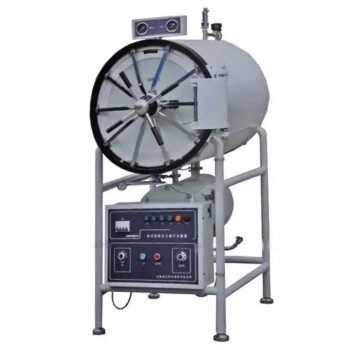
- Laboratory High Pressure Horizontal Autoclave Steam Sterilizer for Lab Use
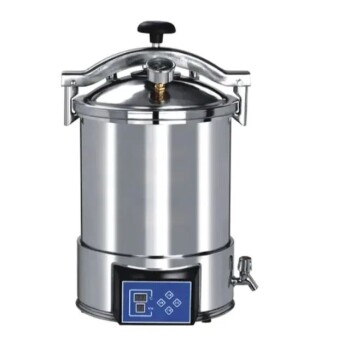
- Portable High Pressure Laboratory Autoclave Steam Sterilizer for Lab Use
- Mini SS High Pressure Autoclave Reactor for Laboratory Use
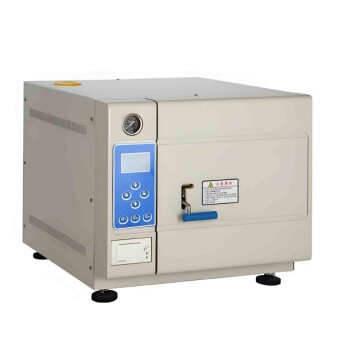
- Desktop Fast High Pressure Laboratory Autoclave Sterilizer 16L 24L for Lab Use
People Also Ask
- What role does a high-pressure reactor (autoclave) play in the synthesis of NiCuFe-LDH? Master Hydrothermal Growth
- What Role Does a High-Pressure Reactor or Autoclave Play in HA Catalyst Synthesis? Achieve High Surface Area Materials
- What equipment is required for hydrothermal synthesis of Ga0.25Zn4.67S5.08? Optimize Your Semiconductor Production
- What is the function of a high-pressure reactor in the hydrothermal synthesis of boehmite? Expert Process Insights
- What role does an autoclave play in the synthesis of MnO2 nanofibers? Mastering Hydrothermal Growth