The defining structural advantage of Proton Exchange Membrane (PEM) electrolyzers is the replacement of liquid electrolytes with a solid polymer membrane that serves multiple critical functions simultaneously. This consolidated design simplifies manufacturing, significantly reduces ohmic voltage drops, and enables operation at much higher current densities compared to traditional systems.
By integrating the electrolyte, electrode support, and gas separator into a single solid-state component, PEM technology creates a compact, efficient system capable of delivering high-purity hydrogen even under the fluctuating power conditions typical of renewable energy sources.
The Architecture of Integration
The Multifunctional Membrane
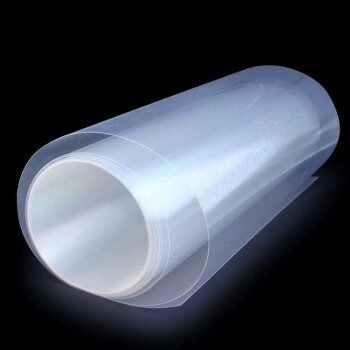
In traditional systems, components often serve singular purposes. In a PEM electrolyzer, the solid polymer membrane acts as the electrolyte, the physical support for the electrodes, and the gas separator.
This 3-in-1 structural role eliminates the need for handling corrosive liquid electrolytes. It allows for a significantly more compact equipment design because the spacing between anodic and cathodic components is minimized.
Simplified Manufacturing
Because the membrane handles multiple roles, the overall system architecture is less complex. This leads to a simplified manufacturing process relative to the intricate plumbing and separation requirements of liquid electrolyte systems.
Operational Gains from Structural Design
Minimizing Energy Loss
The structure of PEM electrolyzers is designed to reduce ohmic voltage drops. Because the membrane is thin and conductive, it minimizes the resistance protons face when moving between electrodes.
Supplementary designs, such as micro-spaced flow channels, further reduce ionic ohmic resistance. This allows the system to operate efficiently at lower voltages (e.g., 1.5 V).
Maximizing Output Density
The compact structure supports operation at significantly higher current densities. This means a PEM system can produce more hydrogen per unit of surface area than a traditional alkaline system.
This high-density operation is crucial for applications where physical footprint is a constraint.
Purity, Safety, and Dynamic Operation
Intrinsic Gas Separation
The solid membrane structure provides a robust physical barrier between the anode and cathode. This effectively prevents the mixing of product gases (hydrogen and oxygen), which is a critical safety hazard in liquid systems.
The result is the direct production of higher-purity hydrogen, reducing the need for extensive post-processing or purification stages.
Stability Under Fluctuation
The structural resilience of the polymer membrane makes these systems highly adaptable. They can maintain gas purity and structural integrity even under fluctuating power inputs and high-pressure operations.
This makes PEM structurally superior for integration with variable renewable energy sources like solar power.
Understanding the Engineering Trade-offs
Precision Engineering Requirements
While the macro structure is simplified, the micro-structure requires high precision. To achieve the benefits of reduced resistance, micro-spaced flow channel designs must be engineered effectively to improve mass transfer at the electrode surface.
Material Performance Dependencies
The structural advantages rely entirely on the high-performance polymer membrane. The system's ability to operate at high pressures and current densities is strictly limited by the durability and ionic conductivity of this specific material.
Making the Right Choice for Your Goal
When evaluating electrolyzer technologies, the structural characteristics of PEM offer specific solutions for distinct project requirements:
- If your primary focus is Space Efficiency: Choose PEM for its ability to operate at high current densities, which allows for a much smaller physical footprint.
- If your primary focus is Renewable Integration: Leverage PEM’s structural ability to handle fluctuating power inputs and high pressures without compromising gas purity.
- If your primary focus is Gas Quality: Rely on the PEM’s solid membrane separator to ensure high-purity hydrogen output and minimize downstream purification costs.
The shift to a solid-state membrane structure transforms the electrolyzer from a bulky chemical plant into a compact, dynamic energy conversion device.
Summary Table:
| Feature | PEM Electrolyzer Structure | Traditional Liquid Systems |
|---|---|---|
| Electrolyte Type | Solid Polymer Membrane (PFSA) | Liquid Alkaline Solution (KOH/NaOH) |
| Component Integration | 3-in-1 (Electrolyte, Separator, Support) | Separate Components |
| System Footprint | Compact & Lightweight | Large & Bulky |
| Current Density | High (Efficient Output) | Low to Medium |
| Gas Purity | Inherently High (Solid Barrier) | Requires Extensive Separation |
| Dynamic Response | Excellent (Ideal for Renewables) | Limited/Slow |
Elevate Your Hydrogen Research with KINTEK Precision
Transitioning to advanced PEM technology requires high-performance materials and reliable laboratory infrastructure. KINTEK specializes in providing cutting-edge solutions for clean energy research, including electrolytic cells and electrodes, high-pressure reactors, and specialized consumables designed to withstand rigorous electrochemical demands.
Whether you are optimizing Proton Exchange Membranes for renewable integration or scaling up hydrogen production, our comprehensive portfolio of laboratory equipment—from high-temperature furnaces to precision hydraulic presses—ensures your research meets the highest standards of efficiency and safety.
Ready to optimize your electrolysis setup? Contact our technical experts today to find the perfect equipment for your lab's specific needs!
References
- Gabriela Elena Badea, Florin Ciprian Dan. Sustainable Hydrogen Production from Seawater Electrolysis: Through Fundamental Electrochemical Principles to the Most Recent Development. DOI: 10.3390/en15228560
This article is also based on technical information from Kintek Solution Knowledge Base .
Related Products
- Proton Exchange Membrane for Batteries Lab Applications
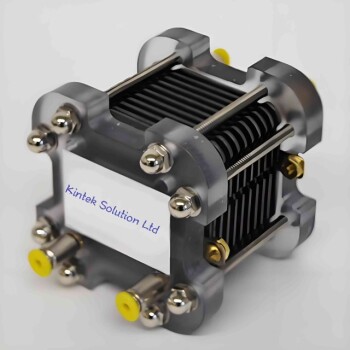
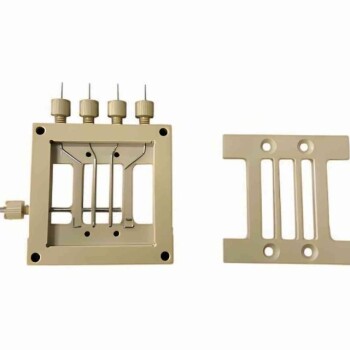
- Customizable PEM Electrolysis Cells for Diverse Research Applications
- FS Electrochemical Hydrogen Fuel Cells for Diverse Applications
- Anion Exchange Membrane for Laboratory Use
- PTFE Electrolytic Cell Electrochemical Cell Corrosion-Resistant Sealed and Non-Sealed
People Also Ask
- What is the function of a proton exchange membrane in a PEC cell? Enhancing CO2 Reduction Safety and Efficiency
- What initial steps are required before using a new proton exchange membrane? Ensure Peak Performance and Longevity
- What should be done if a proton exchange membrane is found to be contaminated or damaged? Restore Performance or Replace for Safety
- How should a proton exchange membrane be installed? A Guide to Flawless Assembly for Peak Performance
- What contaminants should be avoided during the operation of a proton exchange membrane? Protect Your PEM from Heavy Metals & Organics